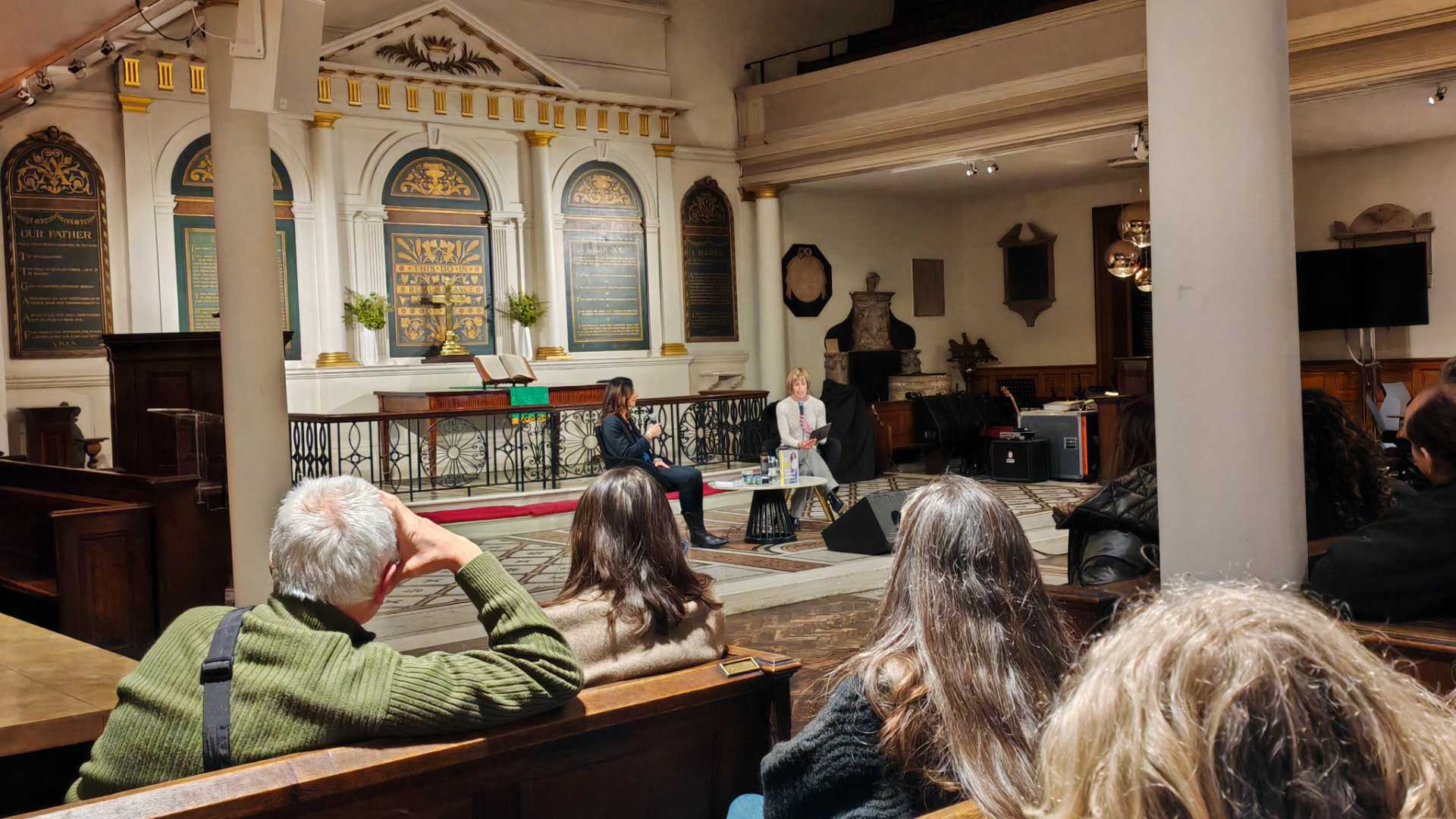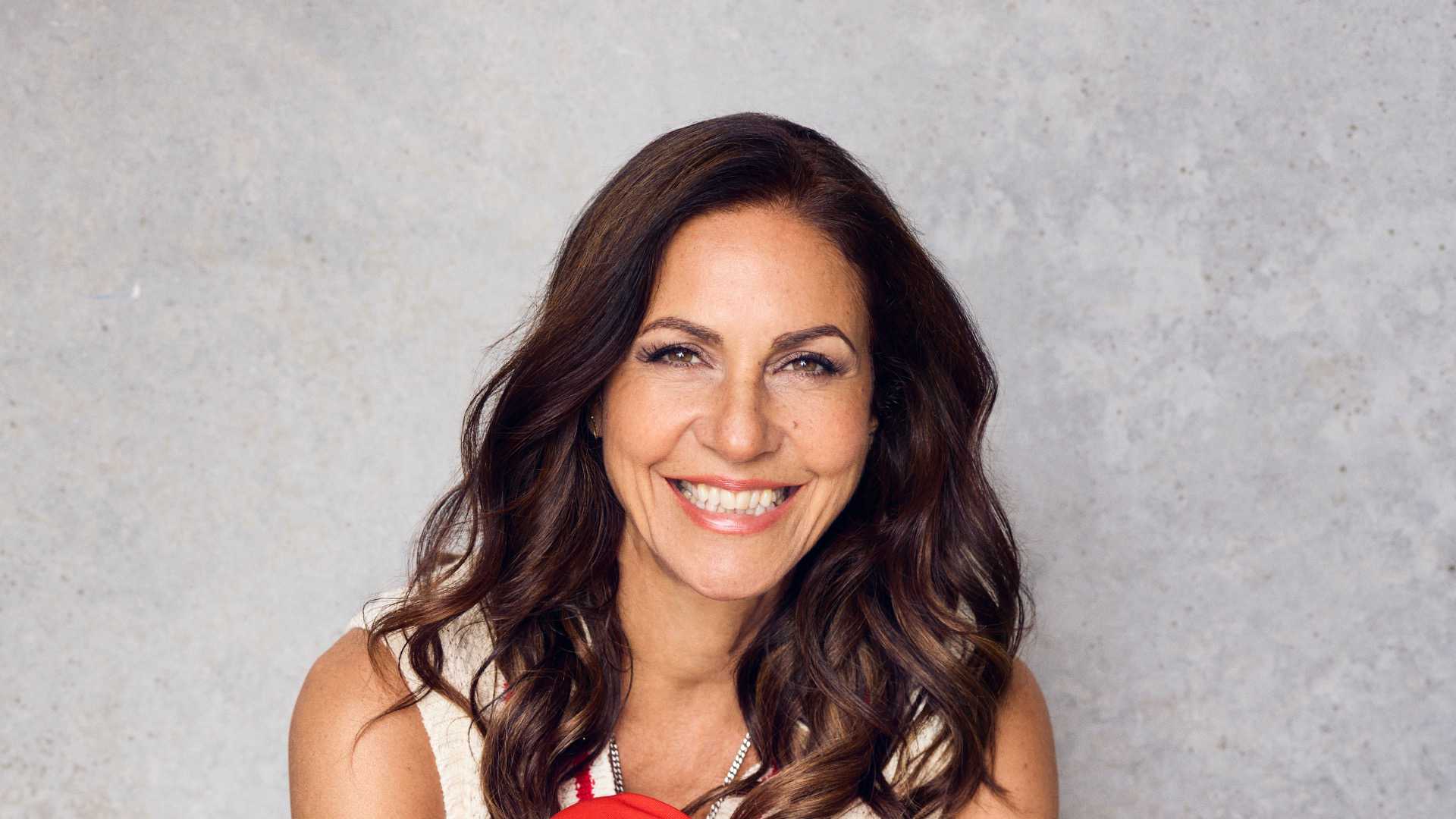
A winter night in Clerkenwell, where I live in central London, can feel like a small test of character. Cold pavement, slick air, the sort of damp that finds the seam of your coat. Then you step inside St James’s Church and the whole evening changes temperature. The space holds you. Candle-warm light, a hush that isn’t silence so much as attention.
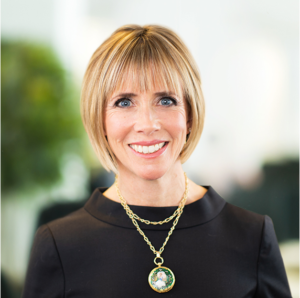
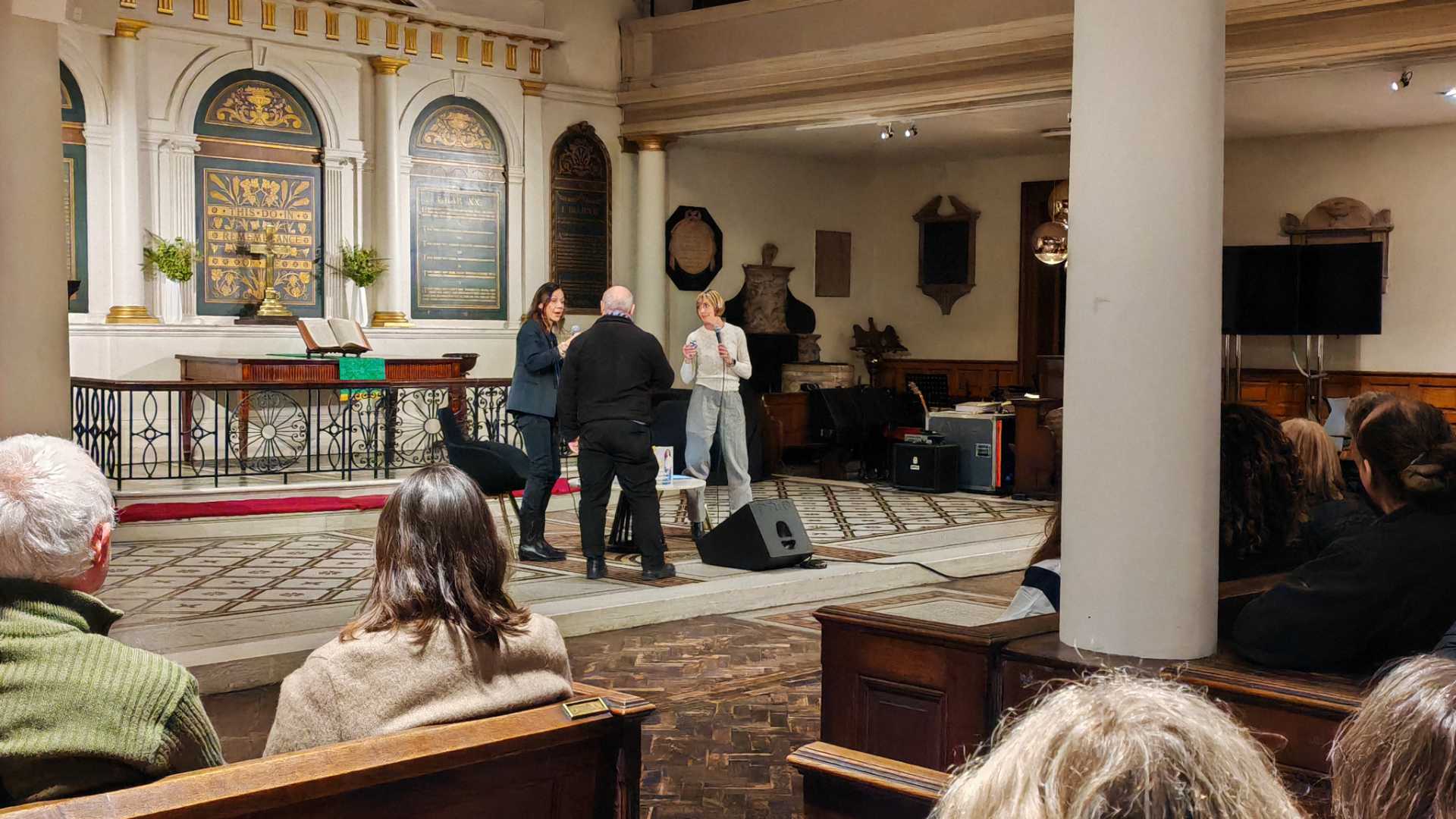
This venue sits on my own road, so I know it in its everyday roles too: community meetings, local gatherings, familiar faces filing into familiar pews. Tonight it wore a different outfit, part lecture hall, part living room, part confessional. Julia Bradbury and interviewer Edie Lush took the stage with that easy, practised rhythm that comes from broadcasting experience, yet the atmosphere stayed intimate, helped along by the church’s architecture and a room full of people who clearly arrived hungry for practical answers.
I attended at the invitation of the organisers to review the event. I also had a brief chat with Julia just before she went on. We’d crossed paths a few times at the Institution of Civil Engineers, where I worked as a cataloguing librarian, surrounded by the world’s largest collection of civil engineering books. I reminded her of that connection just before she went on stage, and it felt oddly fitting: this evening, too, was about structure, foundations, and people wanting to rebuild.
And there was something quietly apt about hearing it all inside a church. In 2026, “getting healthy” has started to behave like a kind of modern religion. The internet is full of pulpits. Every algorithm appoints new preachers. Gurus, coaches, doctors, biohackers, diet tribes, each offering a sermon with the same promise: follow this path and you’ll arrive at a cleaner, better life.
Bradbury and Lush handled that tension better than most. The evening kept circling back to first principles, and to measurements that can be checked rather than merely believed. It didn’t feel like a conversion attempt. It felt like an invitation to build a practice you can live with, then adjust it with feedback, rather than faith.
Bradbury’s bestseller, Hack Yourself Healthy, sits at the centre of the talk, and she naturally drew attention to it. Lush framed the conversation around health span rather than simply chasing longevity, and that distinction became the night’s quiet through-line. Bradbury speaks from a pivotal moment in her own life: her breast cancer diagnosis in 2021 and the reassessment it forced. She described herself as “surface level healthy” before that point: outdoorsy, energetic, slim, eating well on paper. Underneath, she painted a different picture, one many people will recognise: relentless travel, blurred boundaries, poor sleep, sugar dependence, and a nervous system that never really stood down.
From there, the conversation opened out into the mechanics of modern health: stress hormones, blood markers, inflammation, the nervous system, and the deceptively simple question of how to live in a way that supports the body over decades.
One of the most memorable images came early: Bradbury discussing cortisol and the “being chased by a tiger” sensation that can become an everyday baseline. It landed because it carries a bodily truth. When the nervous system believes you’re under threat, digestion becomes secondary. Decision-making narrows. Sleep turns shallow. You move through life as a set of reactions.
Bradbury spoke about routines she now uses to coax the body back into a steadier state: morning light, time outdoors, breathwork, and practices that settle the vagus nerve. Some of it will sound familiar to anyone who’s spent time in wellbeing circles, yet the way she framed it kept a practical edge. The point stayed clear: the body responds to inputs, and the daily inputs add up.
The talk also handled the temptation of extremes. Bradbury referenced high-profile biohacker Ben Greenfield as an example of what happens when performance becomes the only god in the room. The story she told was revealing: at his peak physical fitness, his biomarkers looked poor, suggesting a system under strain rather than thriving. That thread allowed her to steer the audience towards something far more durable: resistance training, muscle preservation, recovery, and consistency. She spoke about muscle as an endocrine organ, producing beneficial signalling molecules, and about the steady loss of muscle mass with age. In a culture that still sells fitness as punishment, her emphasis on strength as long-term protection felt like a corrective.
There were other strands, too: gut health and infections such as H. pylori, the way inflammation and stress can tangle together, and the growing interest in epigenetics. Bradbury mentioned work exploring “biological age” and the possibility of shifting it through lifestyle interventions. That subject can drift into glossy promises when handled carelessly. Here, it landed as an invitation to take measurement seriously. Not in the obsessive way social media encourages, yet in a grounded way: if you want to change the outcome, you need to know what’s happening inside the system.
The Q&A section brought the evening down from the stage and back into the pews, which is where talks like this either deepen or dissolve. Questions ranged across women’s health concerns, environmental exposures and pollutants, and the fatigue of trying to do the right thing while living in a world that constantly changes its mind. Bradbury met the emotional undertow behind some of the questions, especially those shaped by fear, prior diagnoses, or frustration at being dismissed in medical settings.
All of that left me thinking about something I didn’t hear asked directly, yet felt humming underneath the evening for me personally: how does anyone decide what to trust?
I’m not pinning that question on Bradbury or Lush as though it were their thesis. It’s my own concern, sharpened by the internet’s endless, contradictory health advice. What the talk did offer, though, was a partial answer: a steady emphasis on fundamentals, on checking markers rather than chasing tribes, and on treating health as a practice that adapts, not a doctrine you swear allegiance to.
The answer is not “pick a camp”. Camps offer identity, certainty, and belonging, which is why they sell so well. Yet bodies are not ideologies. Genetics, epigenetics, current health state, medication, mental load, hormones, gut function, environment, and stress all influence what “healthy” looks like for a given person. Two people can follow the same diet and get different outcomes. One thrives on higher fat. Another feels flat. One benefits from fasting. Another’s sleep and stress response worsens. A good framework allows for variation without sliding into chaos.
In that sense, the best way to take Bradbury’s message is as a toolkit rather than a doctrine. Hack Yourself Healthy offers direction and momentum, and it also sits best alongside clinical guidance when the issues become complex, and alongside self-awareness when the internet’s certainty starts to feel like a trap. The most credible health voices often sound slightly less sure than the ones chasing clicks. They leave room for nuance. They speak in ranges rather than absolutes.
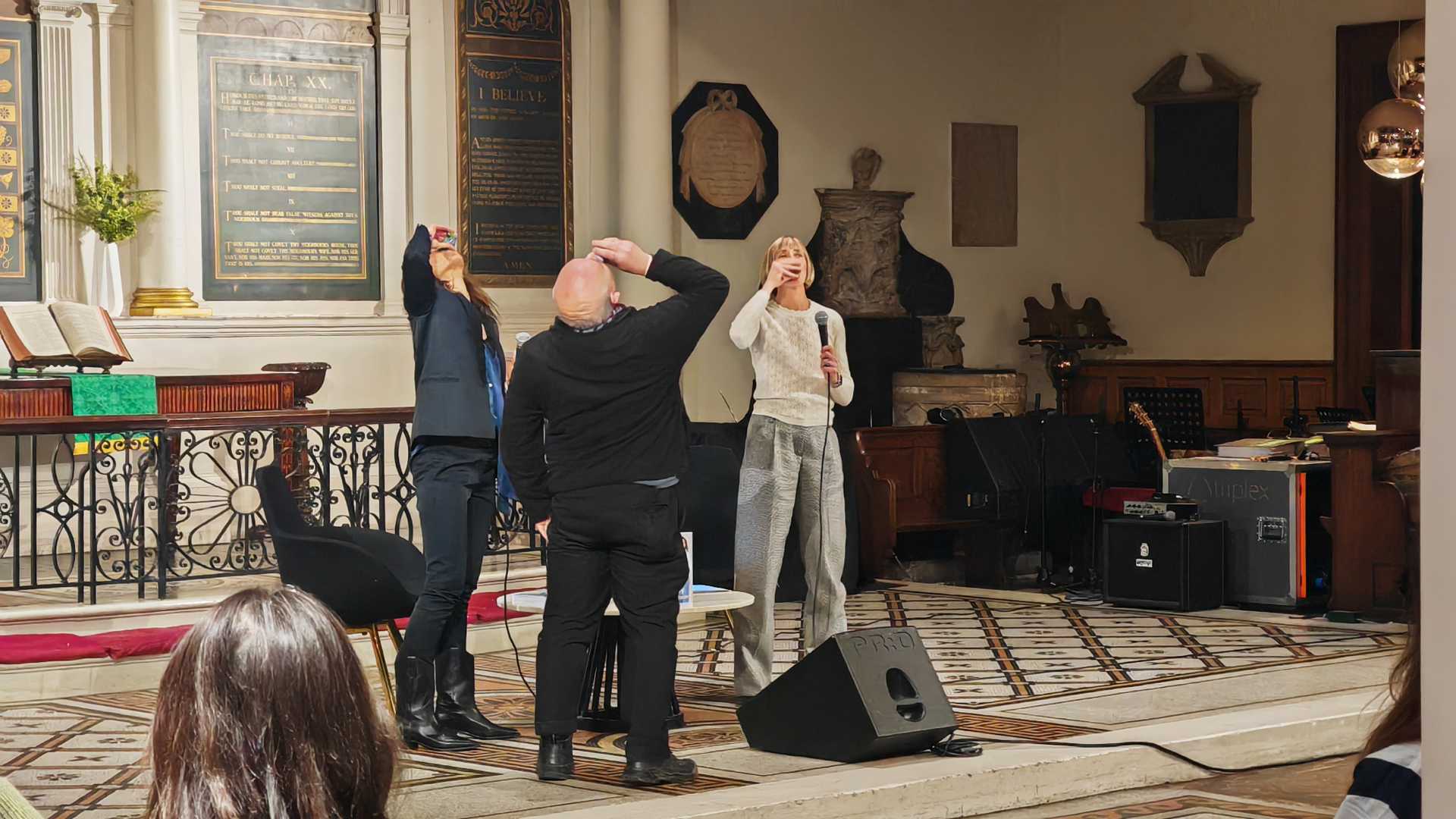
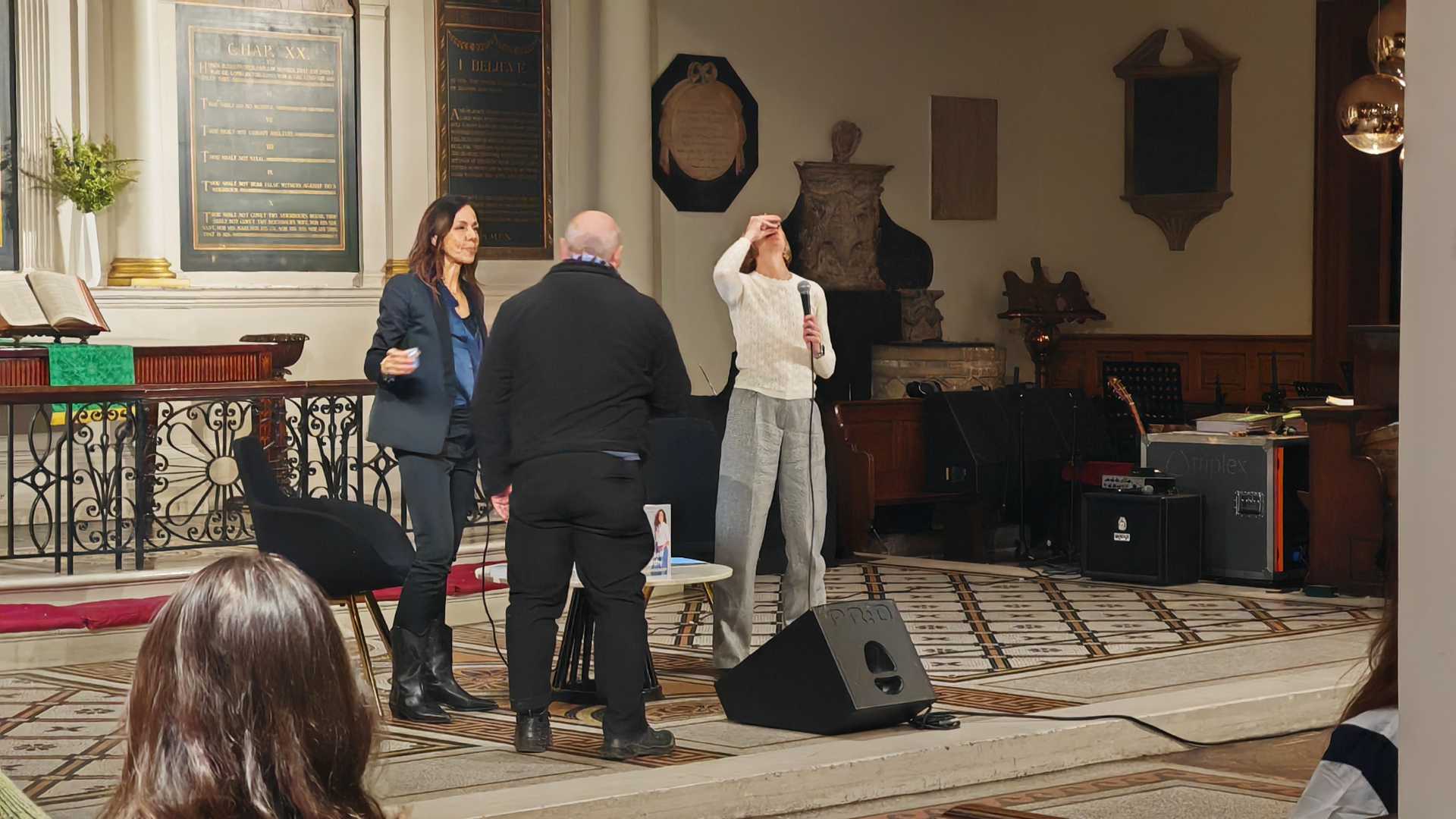
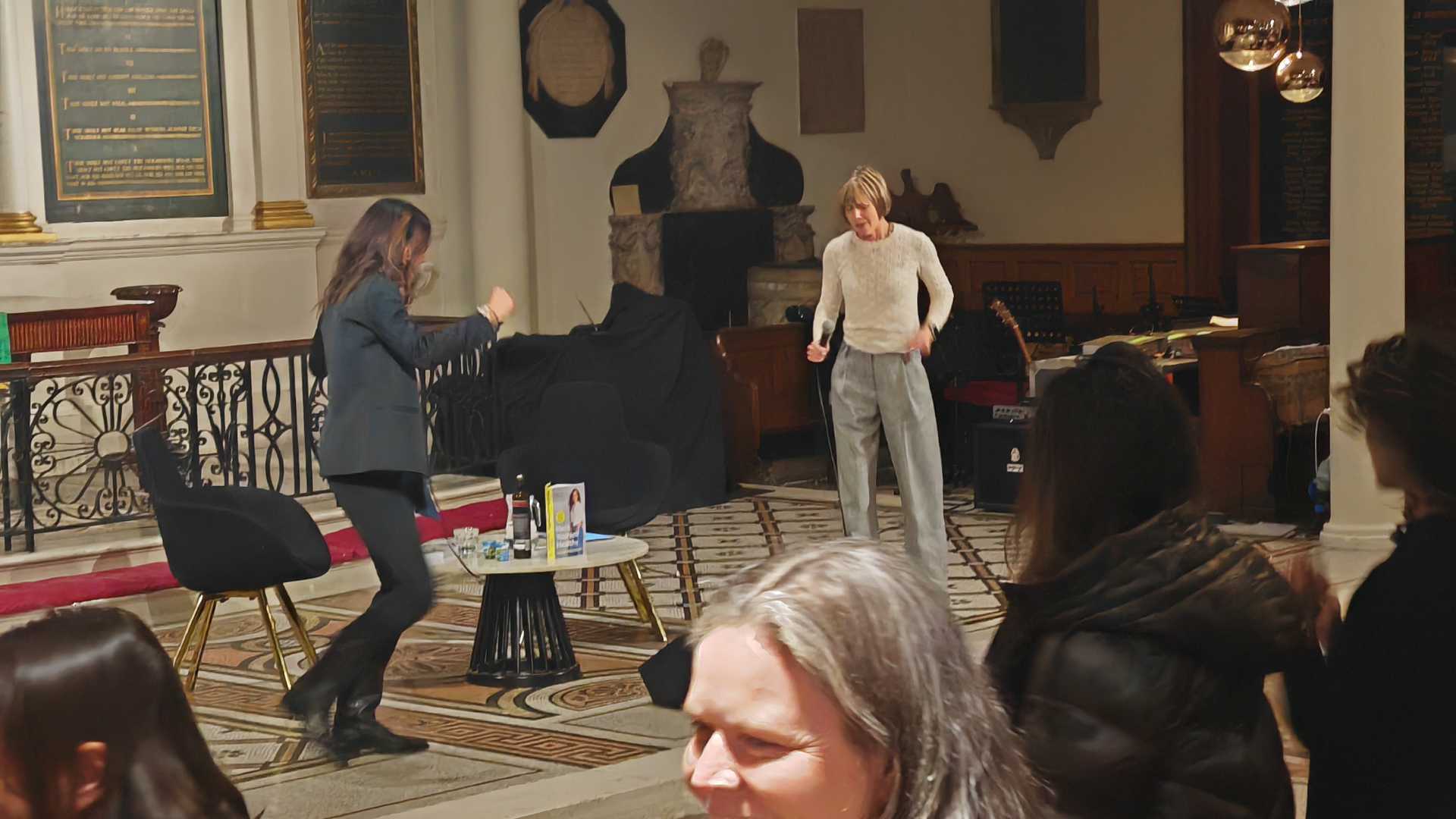
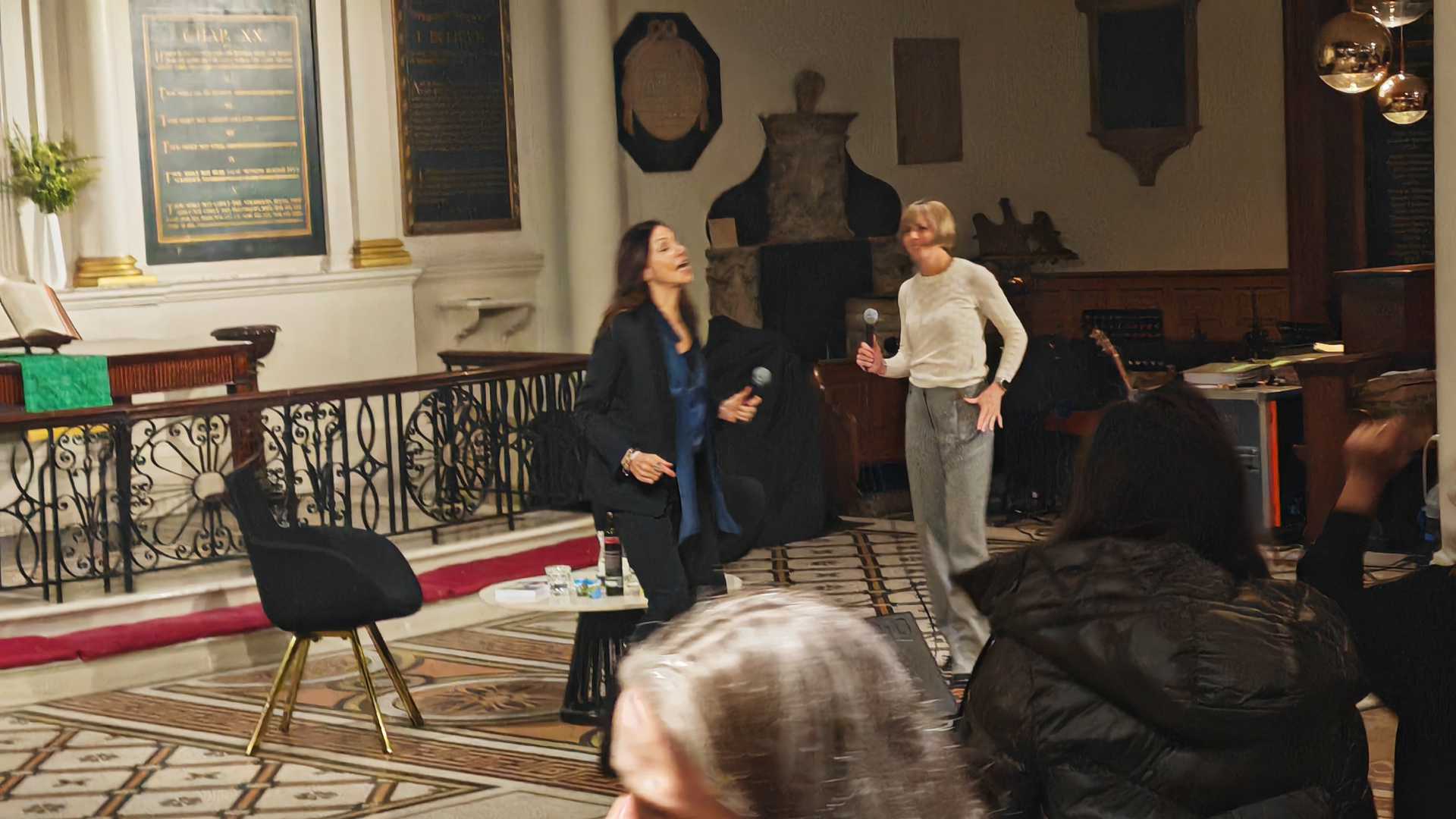
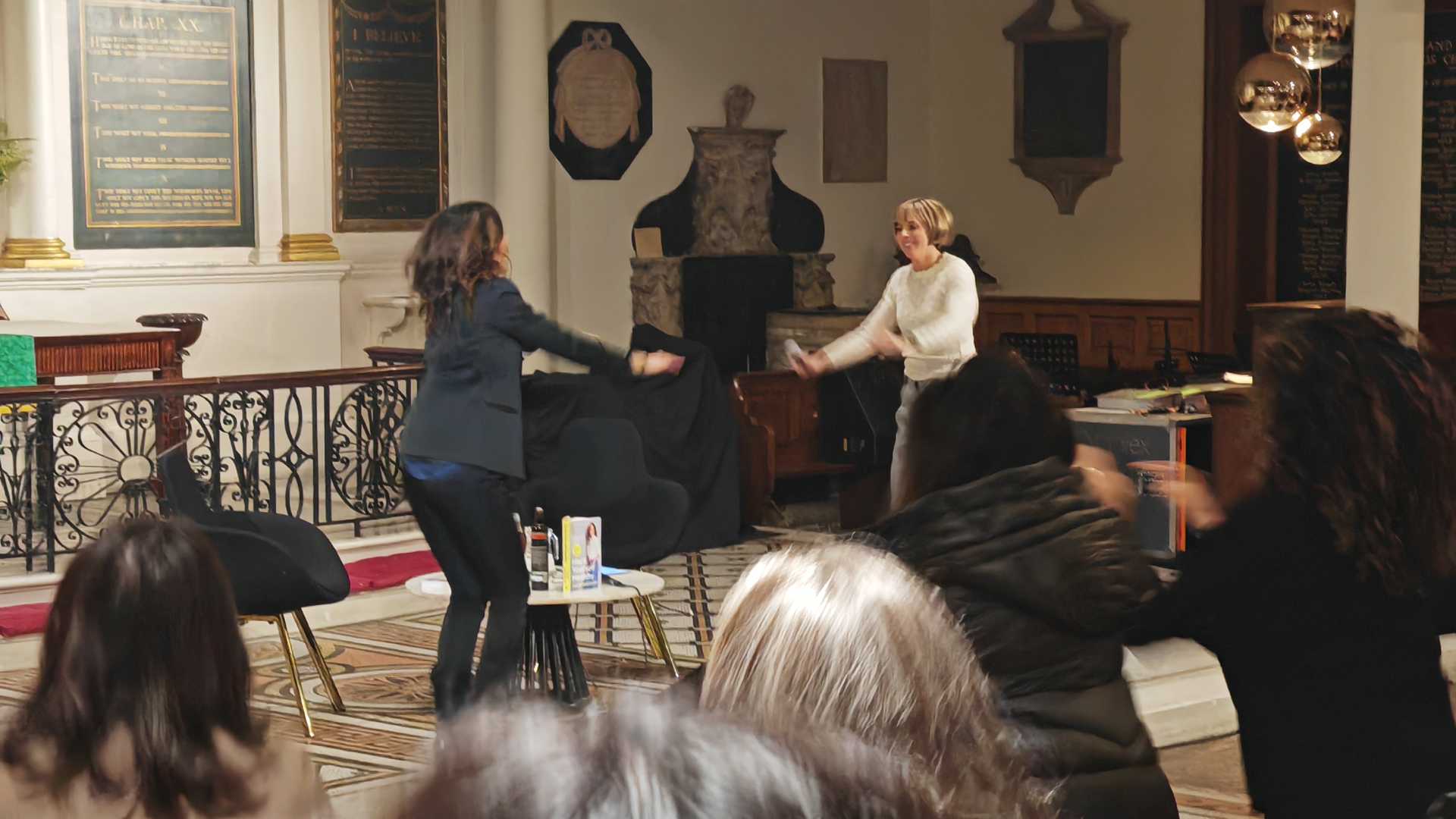
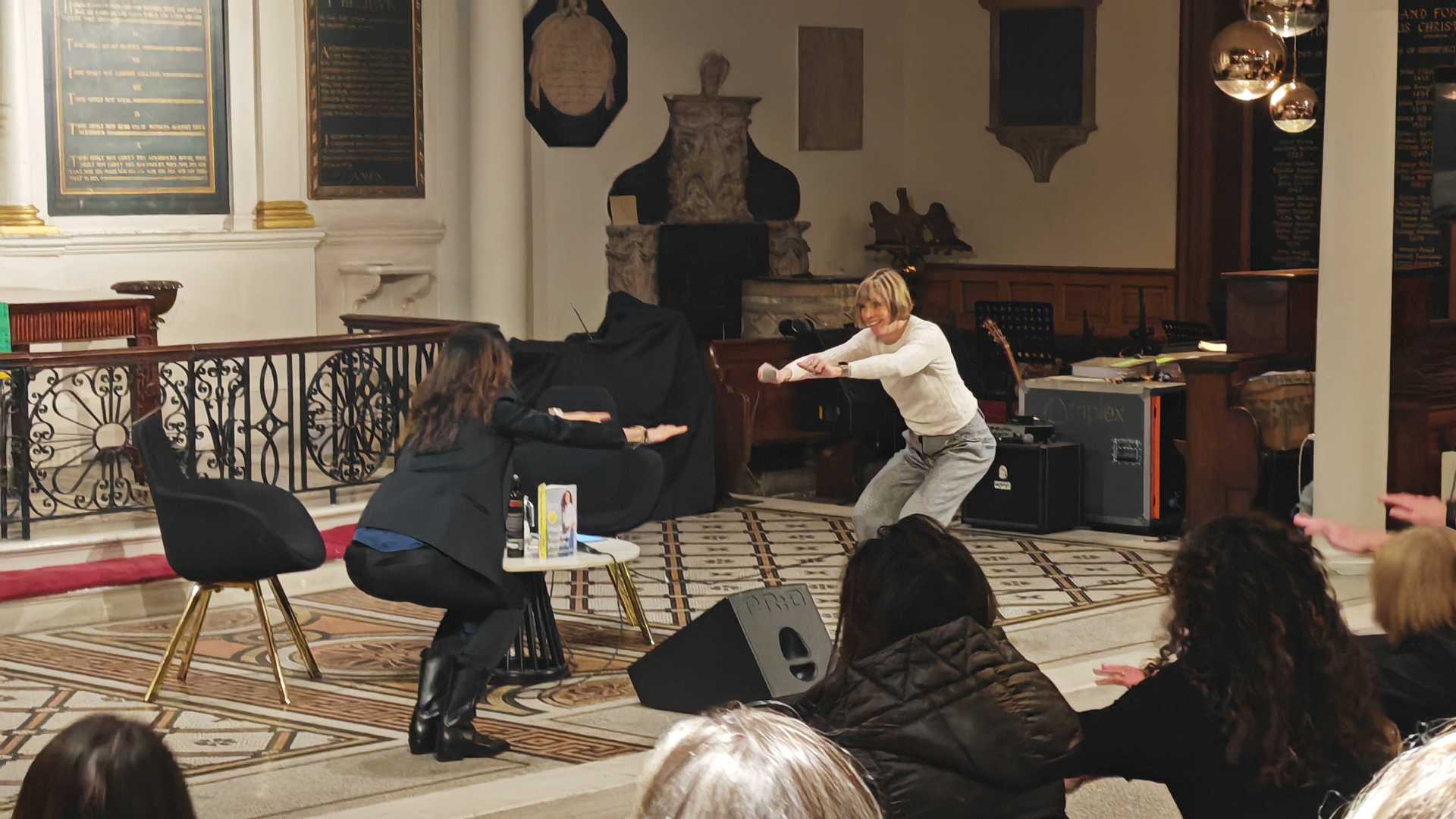
St James’s Church turned out to be a quietly perfect place for this conversation. A building designed for reflection hosted a talk about listening to the body, and about stepping back from the frenzy of modern life long enough to choose what matters. It also stayed wonderfully human. At one point, audience participation arrived in the form of a brave volunteer taking a shot of something wholesome, met with the sort of collective wince that quickly turns into laughter. Near the end, Bradbury brought one of her book’s lighter suggestions to life, the “Kitchen Disco”, encouraging people to get up and move along to music. It was disarming, slightly ridiculous, and oddly uplifting. You could feel people leaving with a sense of intention, which is a rarer souvenir than a tote bag or a signed copy.
Bradbury’s Hack Yourself Healthy is available through major booksellers, and if you’re the sort of reader who likes a clear narrative anchored in lived experience and populated with expert voices, it’s easy to see why it has found an audience. For me, the value of the evening lay in something simpler: a reminder that rebuilding health is less about joining a camp and more about building a practice. A practice that survives real life. A practice that holds, even when the road outside is cold and wet and the internet is shouting ten different answers at once.
Speakers
Programme & Credits
- Showing - 29 Jan 2026, 7.30pm
- Venue: St James’s Church, Clerkenwell
- Speakers: Julia Bradbury
- Host / Interviewer: Edie Lush
- Organiser: How To Academy
- Photography: Robert Cope
- Format: Live talk + audience Q&A
- Related work: Hack Yourself Healthy (book)
Summary
Julia Bradbury and Edie Lush delivered a warm, practical conversation at St James’s Church, Clerkenwell, centred on Hack Yourself Healthy. A thoughtful evening that cuts through the noise and brings the focus back to fundamentals, measurement, and sustainable habits.


Add comment