Tickets (Playhouse East, Fringe Feb):
Living with an Alien (Playhouse East): buy tickets
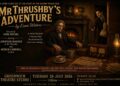
Mr Thrushby’s Adventure (Playhouse East): buy tickets
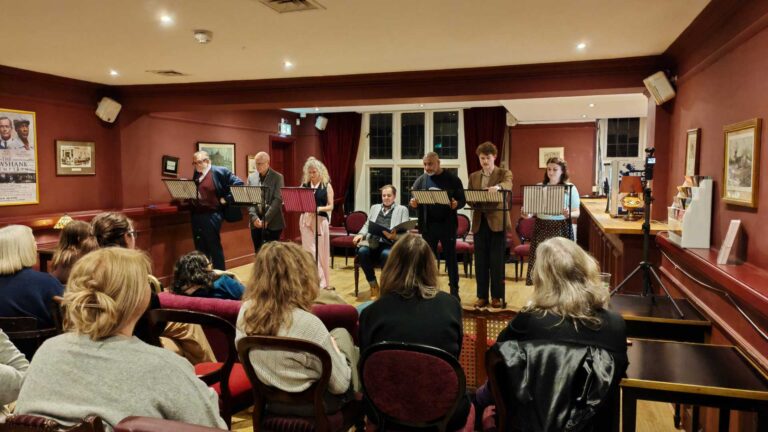
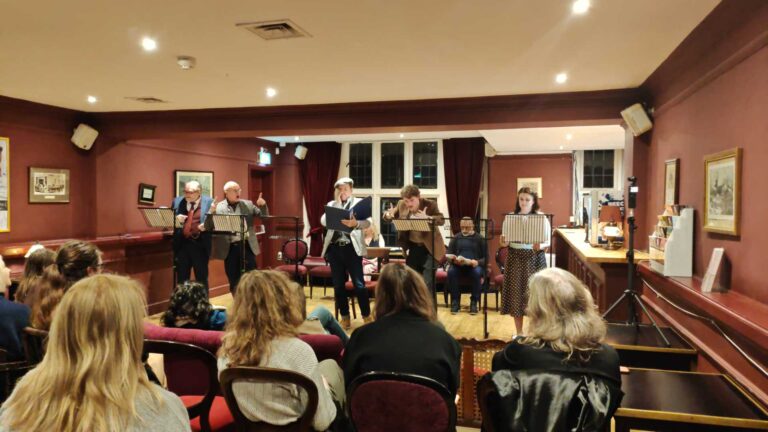
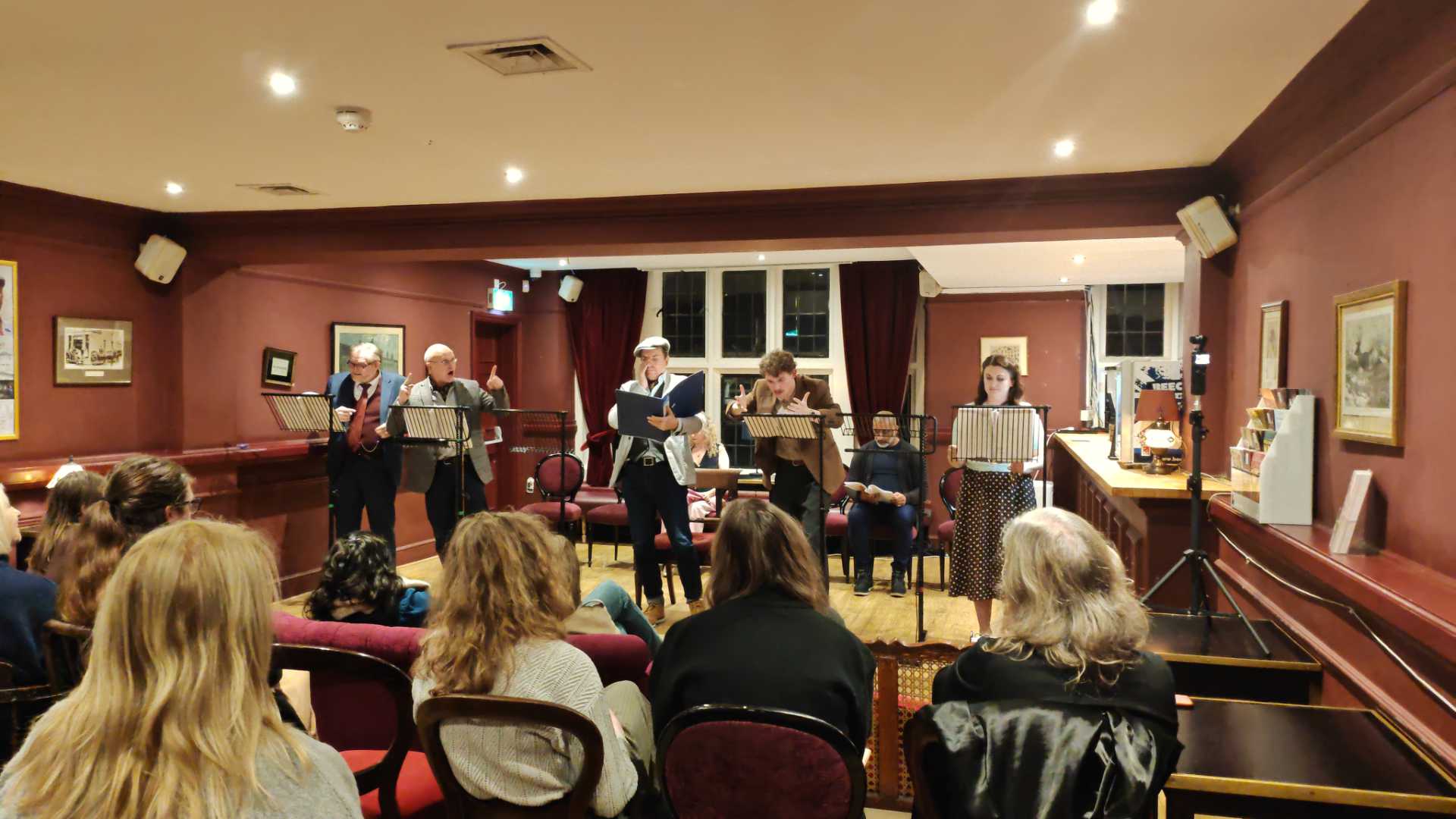
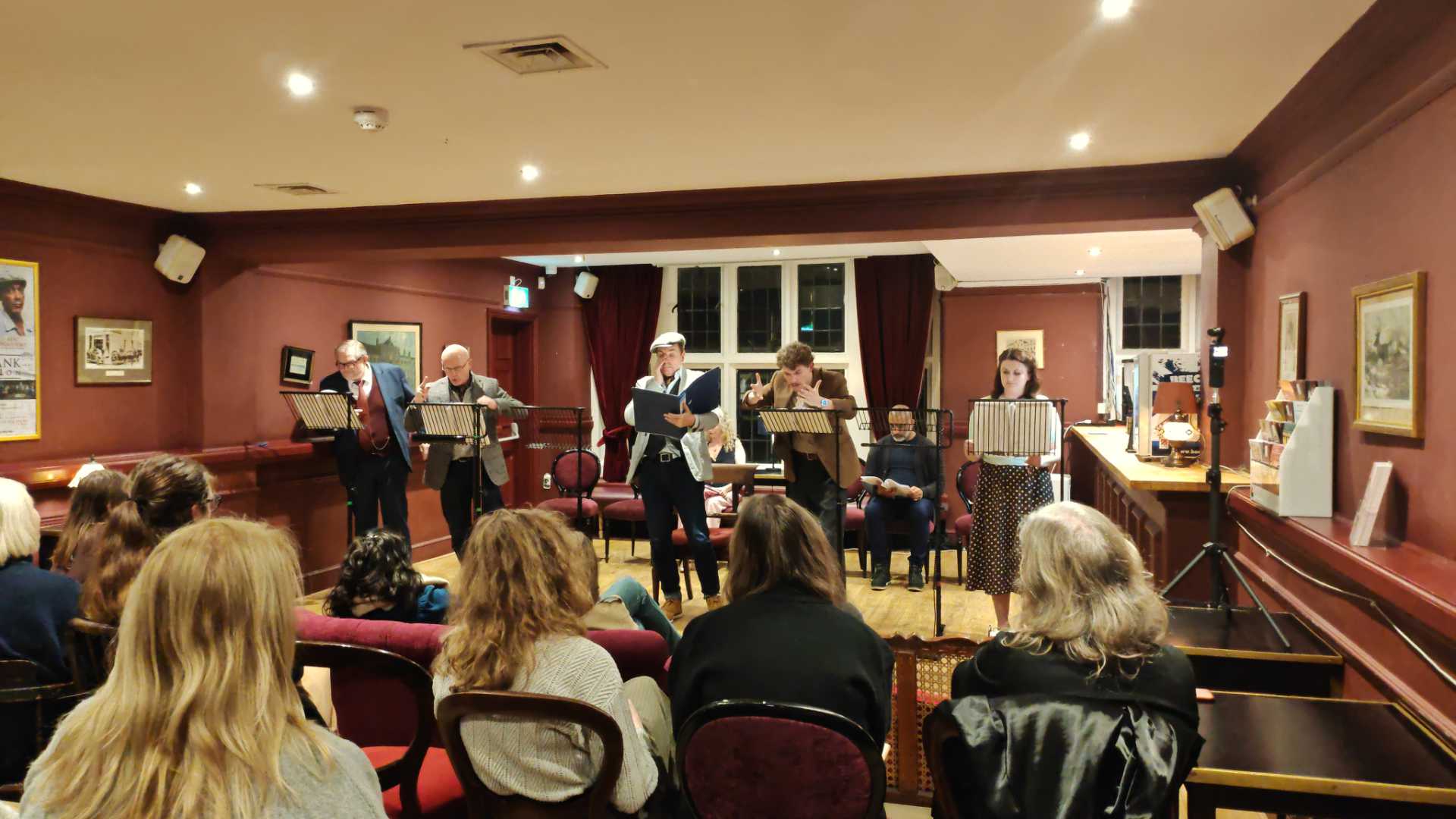
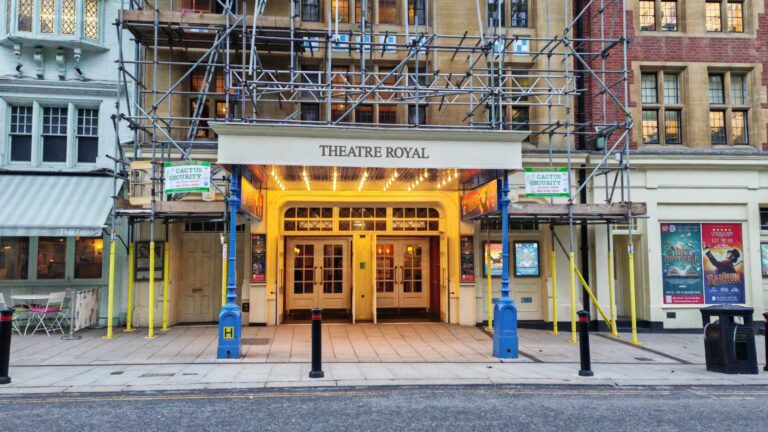
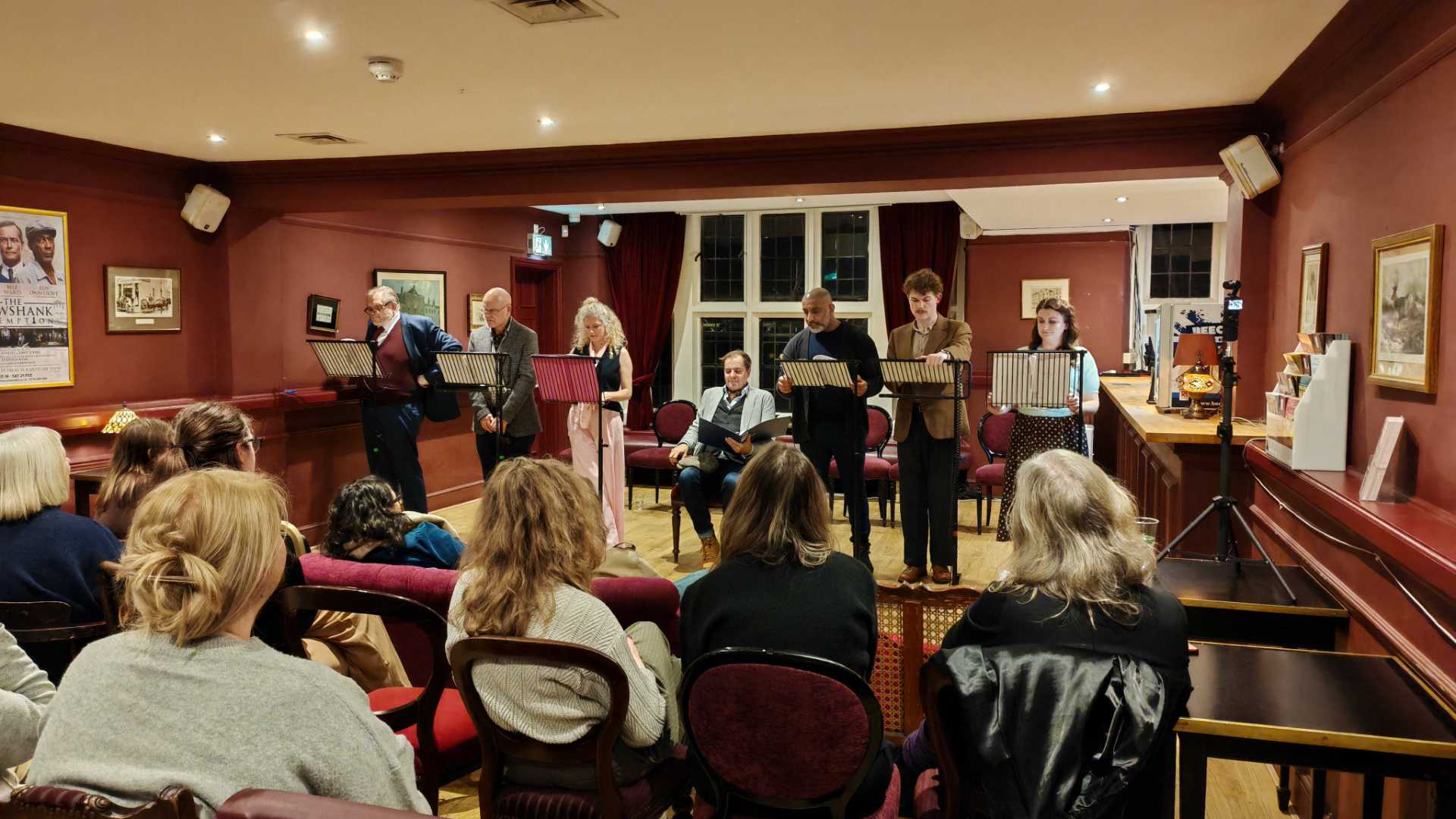
In the warm, deep-red surroundings of the Theatre Royal Windsor’s Circle Bar, Esme Waters’ Mr Thrushby’s Adventure unfolded as a staged reading that felt far closer to a complete evening of theatre than a preview. The audience sat in just four short rows, close enough to catch every flicker of expression and each quick shift of attention as the story moved. The bar itself remained present to one side, a gentle reminder that we were in a real, convivial room rather than the sealed black box I have experienced in some readings. It gave the performance the atmosphere of a tucked-away storytelling salon, intimate, focused, and quietly thrilling.
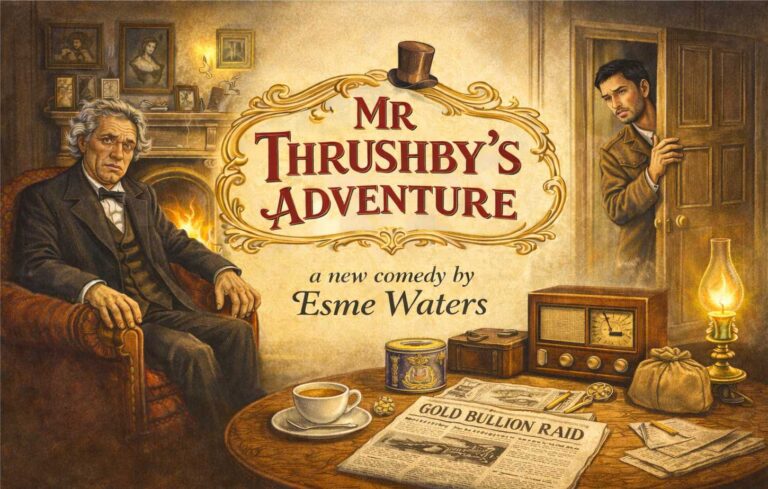
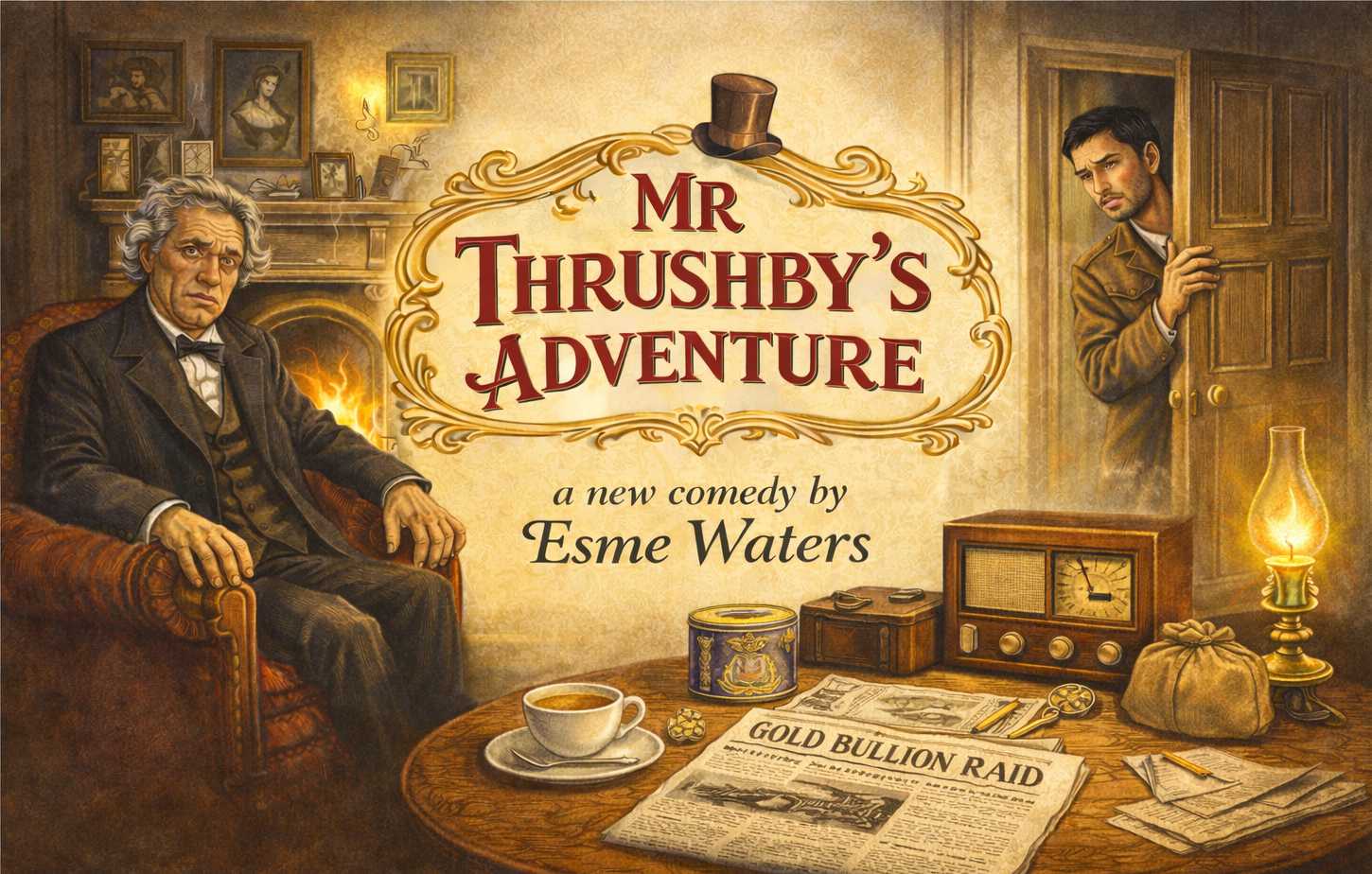
Waters’ script, a wartime crime caper set in January 1940, introduces Mr Thrushby, a retired man in late life whose routines have become both refuge and trap. An unexpected disruption sends his ordered world off-kilter, and what follows becomes a deft blend of suspense and drawing-room farce: social niceties collide with urgency, misunderstandings multiply, and the seemingly ordinary proves far more combustible than it first appears. Beneath the comedy sits something tender and recognisable, a portrait of late-life awakening and the stubborn human urge to feel fully alive again.
Even in staged-reading form, the pacing was impressively controlled under Rafael Solimeno-Harris’s direction. Transitions were clean, and the pacing did exactly what this kind of piece demands: it tightened like a thriller, then released into farce, with tension rising in steady steps. As a script-in-hand reading, it asked the audience to imagine the entrances, exits and physical anarchy of farce, which will no doubt bloom further when fully staged. With less physical business to distract, the writing came through with unusual clarity, and the audience could follow every turn of intention. It sharpened the experience, not least because it encouraged the room to listen closely, and to notice how much of the comedy lives in rhythm, interruption, and status shifts inside the dialogue itself. In a fully staged farce, the revolving-door bustle can sometimes cost you a line or two. Here, nothing was missed.
Waters builds atmosphere through dialogue rather than spectacle. Conversations overlap, half-arguments and half-theories. The unease rises naturally, yet humour flickers throughout, dry, self-aware, and timed with precision. The laughter feels earned, not inserted, giving the play a buoyancy that offsets its mounting tension.
The Windsor Words Workshop ensemble performed with full commitment. This was not a case of actors simply reading lines. Faces stayed alive to the moment, voices differentiated character with care, and gestures arrived naturally, suggesting the physical life of the play without forcing it. Three performances, in particular, leaned into the piece’s comic eccentricity: Jonathan Hansler’s Mr Thrushby, all fussy precision with an undertow of vulnerability; Chris Moyes’ Colonel Buckingham, bluff and excitable; and Steevan Glover’s Doctor Rothington, clipped and professional with a dry edge. Shah Hussain’s Adam Dunford, the former Scotland Yard detective, brought a steadier note of authority, a calm presence with a subtle menace that sharpened the stakes as the situation tightened. Each was sharply distinct, and together they gave the piece much of its tonal snap.
Around them, the household and its visitors were equally well drawn. Thrushby’s devotion to routine was gently comic, but it also showed how trapped he’d become by habit, which gave his restlessness its weight and made his stirrings towards change genuinely moving. The chaos Sam brings is the spark that sets it in motion. Gwithian Evans brought restless charm and quick intelligence to Sam, the perfect foil to Thrushby’s fussy precision, and their unlikely bond became the emotional spine of the piece. Stephanie Perry’s Felicity fizzed with flirtatious energy, while Christie Silvester’s Mrs Rowley grounded proceedings with brisk, working-class common sense. The overall impression was of a company that had done more than learn lines: eyes lifted from pages to engage, small gestures landed naturally, and the comedy timing felt instinctive rather than merely rehearsed.
A staged reading inevitably hints at what full staging will later unleash, especially in a piece with farce in its bloodstream. Yet this format also revealed what the play already has in abundance: a strong narrative engine, a humane wit, and characters whose inner shifts feel earned. By the close, the piece leaves you with a satisfying sense of movement, not simply plot movement, but the movement of a person stepping out of routine and into possibility.
This Circle Bar reading made a strong case for Waters’ play as both entertainment and something quietly more resonant. It has humour, warmth, and just enough wartime shadow to give its escapism bite. I will certainly return for the fully staged performances at Playhouse East’s Fringe Feb on 11th February, where the physical farce can properly bloom.
Cast & Creatives
- Showing - 20 Jan 2026 (staged reading), 11 Feb 2026 (full staged play)
-
20 Jan 2026: Circle Bar, Theatre Royal Windsor, Thames Street, Windsor, SL4 1PS
https://theatreroyalwindsor.co.uk/ -
11 Feb 2026: Playhouse East, 258 Kingsland Road, London E8 4DG
https://www.playhouseeast.com/playhouseeast - Writer: Esme Waters
- Director: Rafael Solimeno-Harris
- Photography: Robert Cope
- Cast:
Gwithian Evans as Sam
Stephanie Perry as Felicity
Christie Silvester as Mrs Rowley
Shah Hussain as Adam Dunford – Link to IMDb
Steevan Glover as Doctor Rothington
Chris Moyes as Colonel Buckingham
A tightly paced wartime thriller with a sharp comic streak
Summary
Esme Waters’ Mr Thrushby’s Adventure is a tightly paced wartime caper that blends thriller tension with a sharp comic streak. In an intimate Circle Bar staged reading at Theatre Royal Windsor, the writing came through with unusual clarity, carried by crisp timing, eccentric characters, and a quietly humane undercurrent. Funny, tense, and warmly observed, it makes a persuasive case for the play’s full staging to come.


Add comment