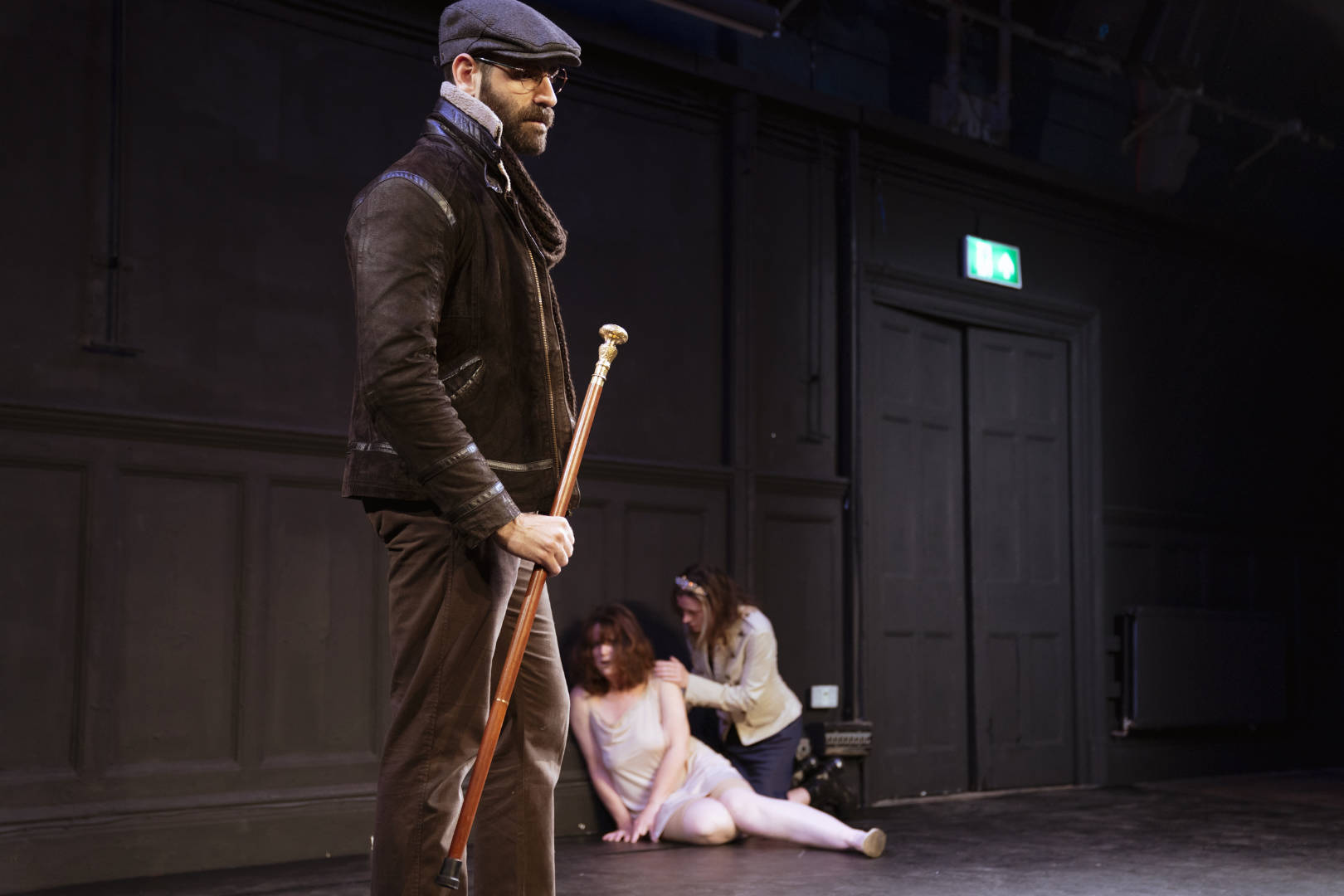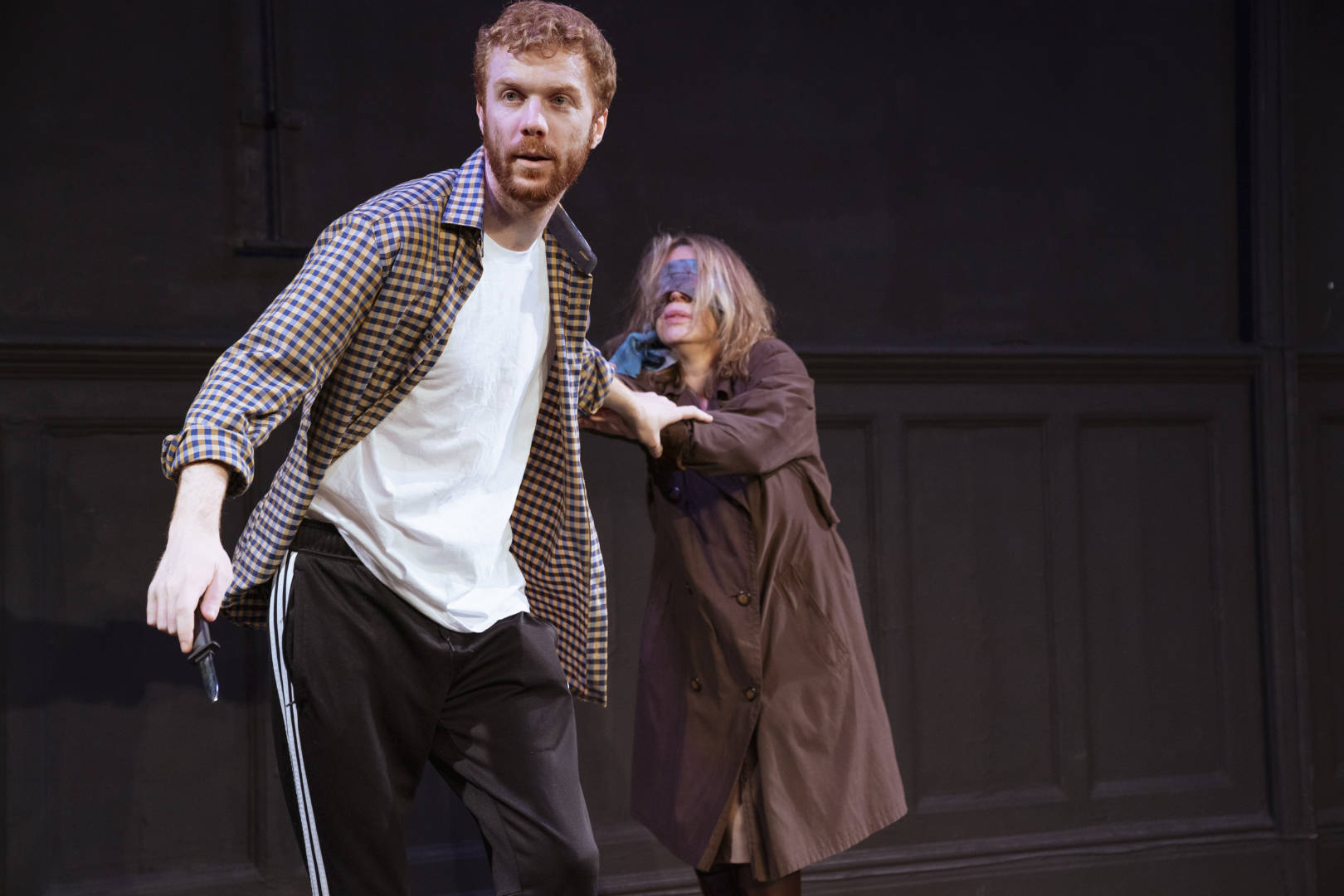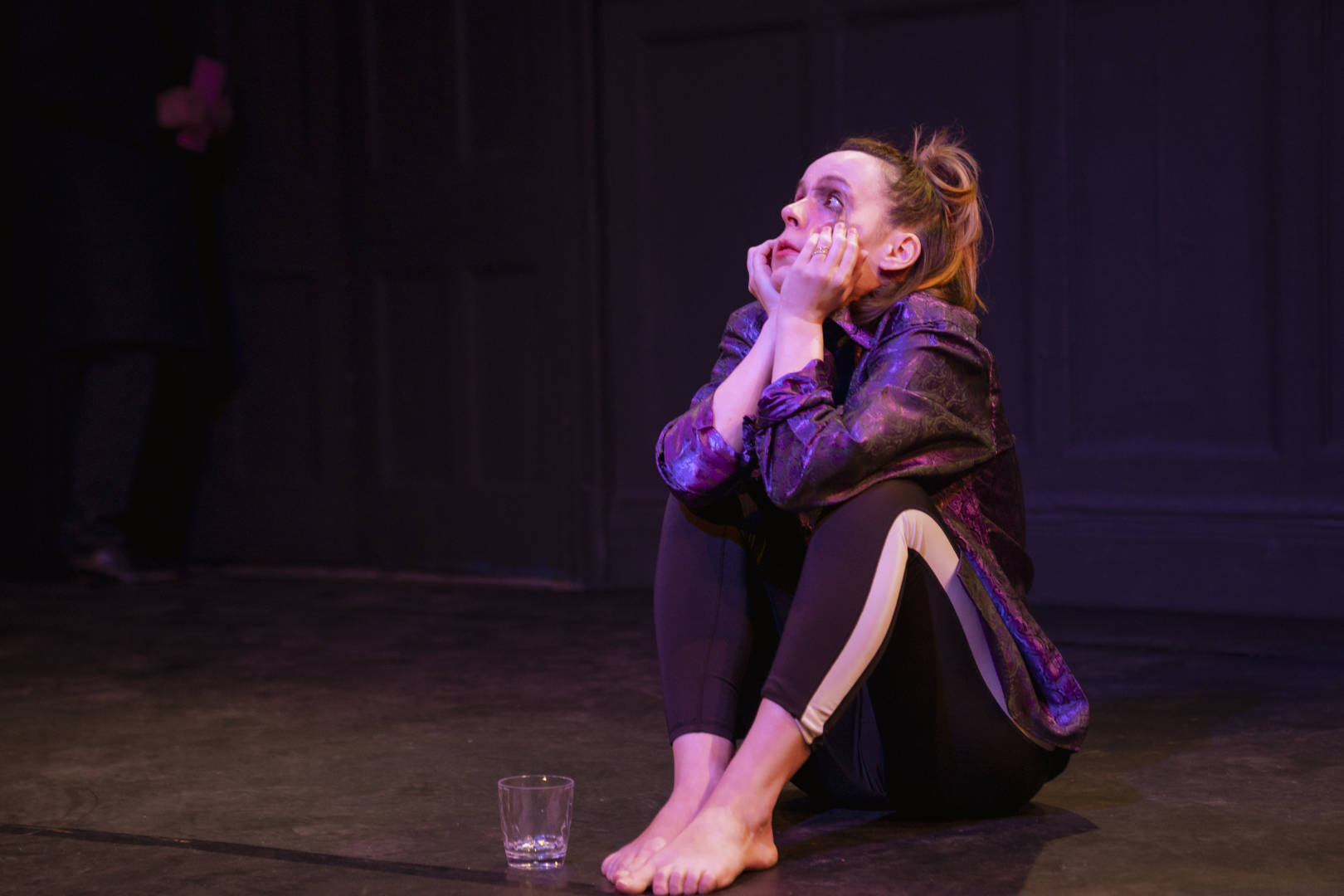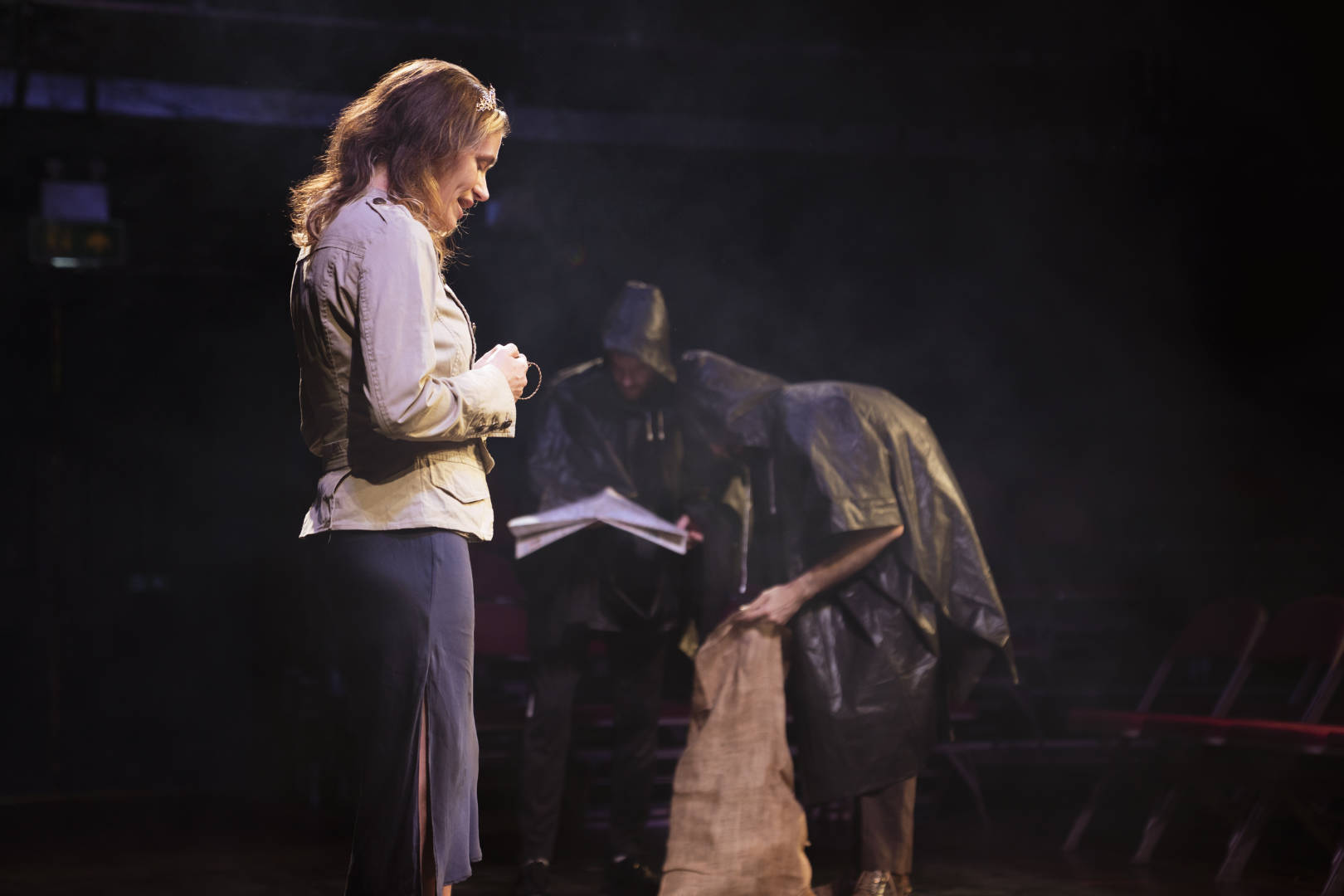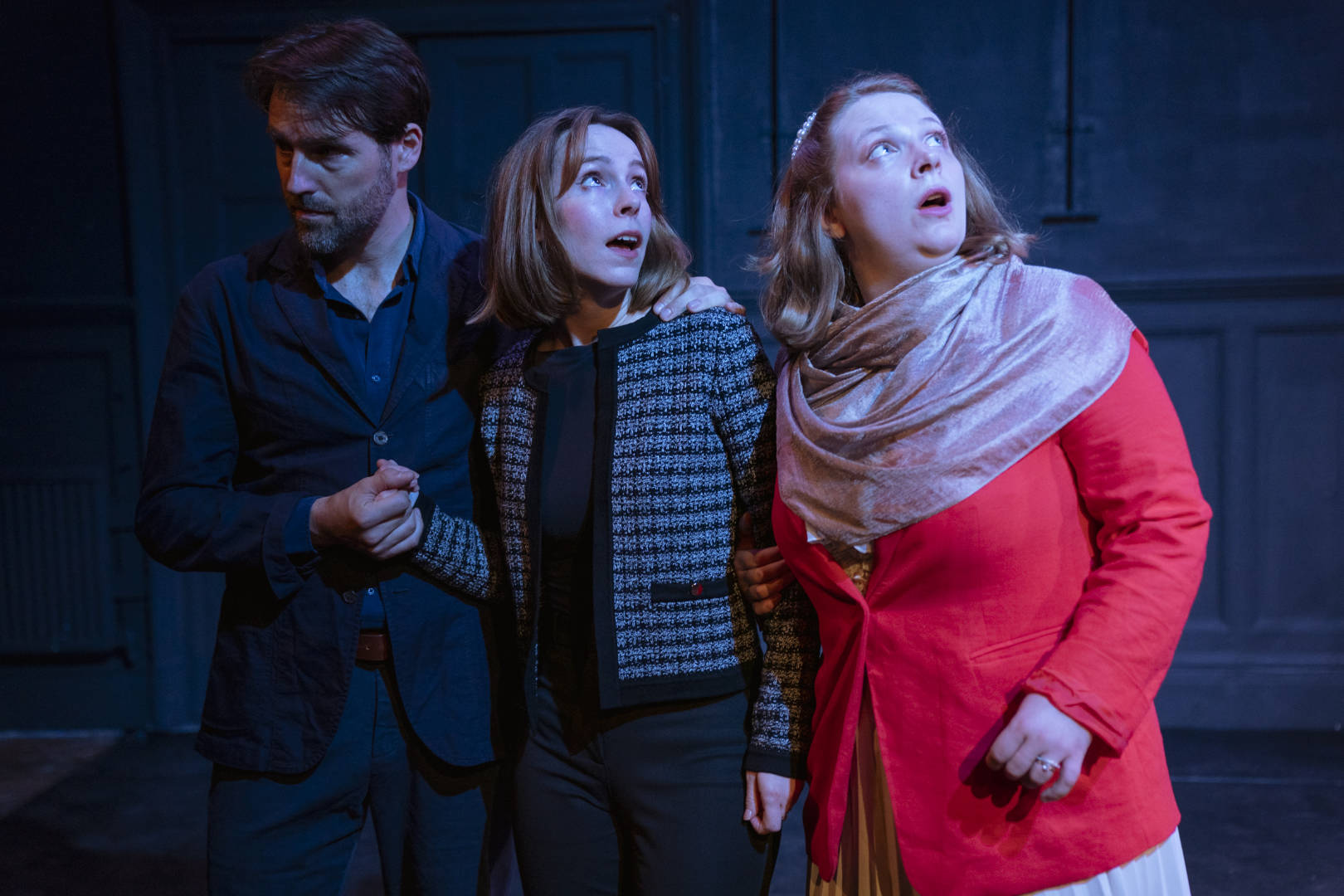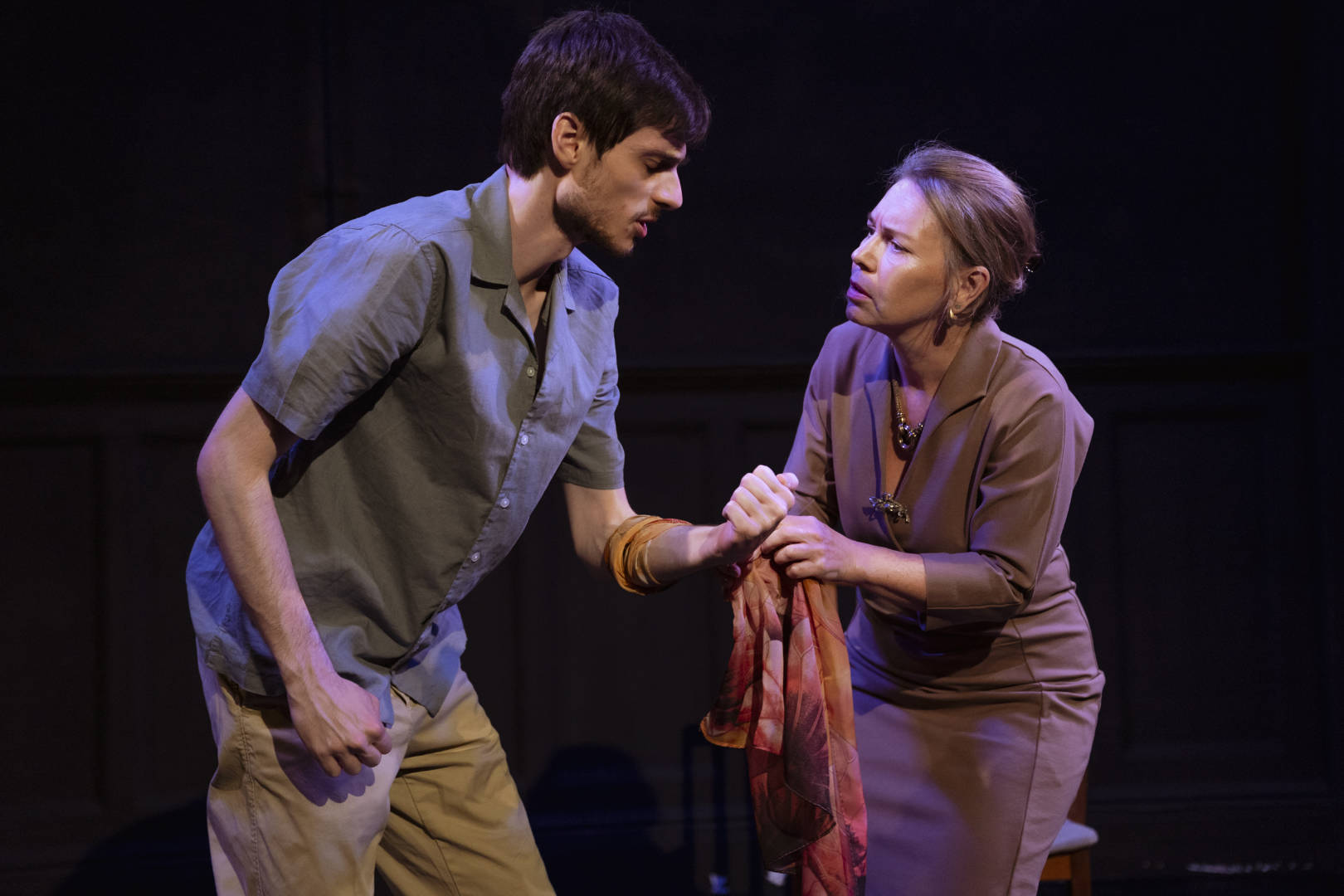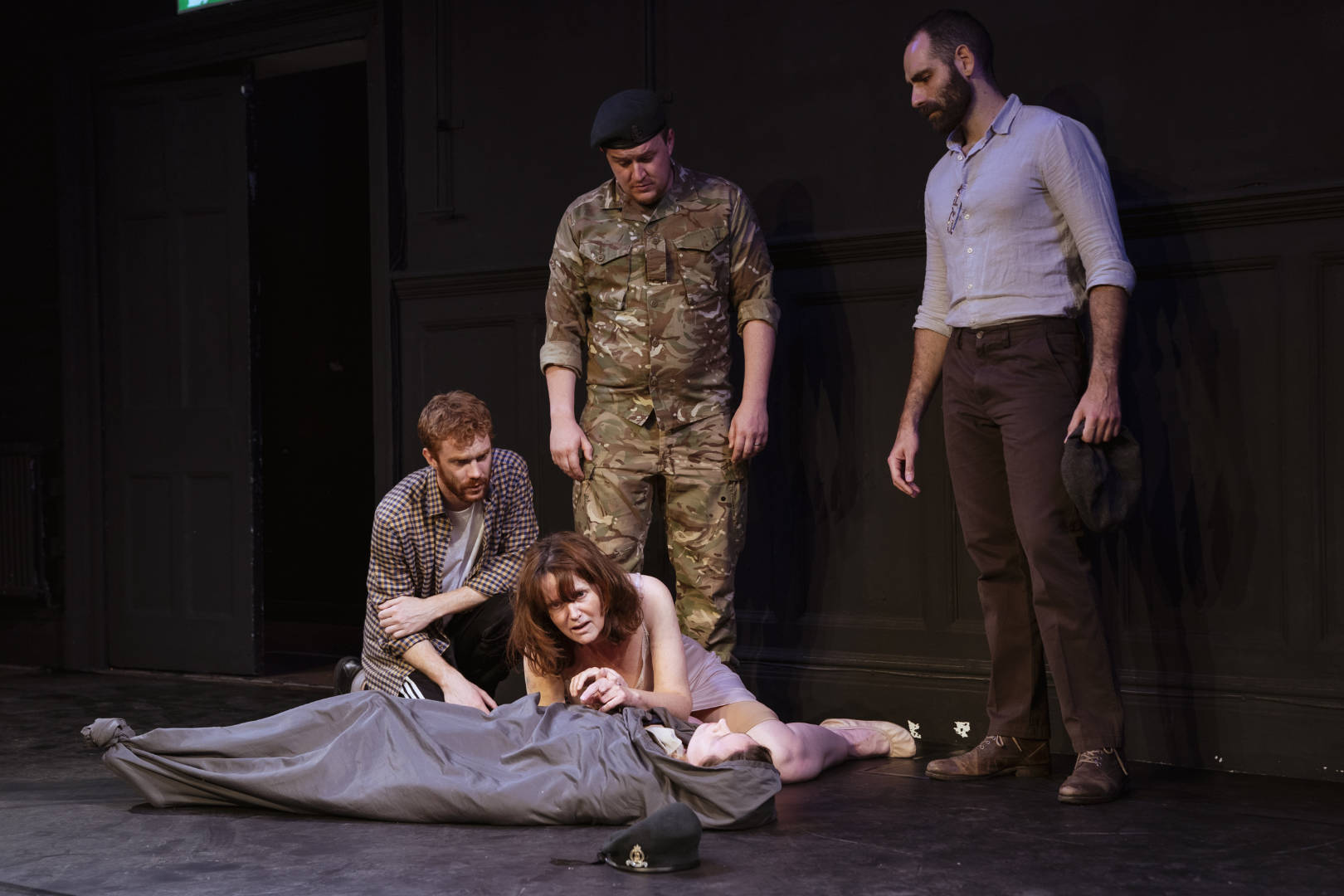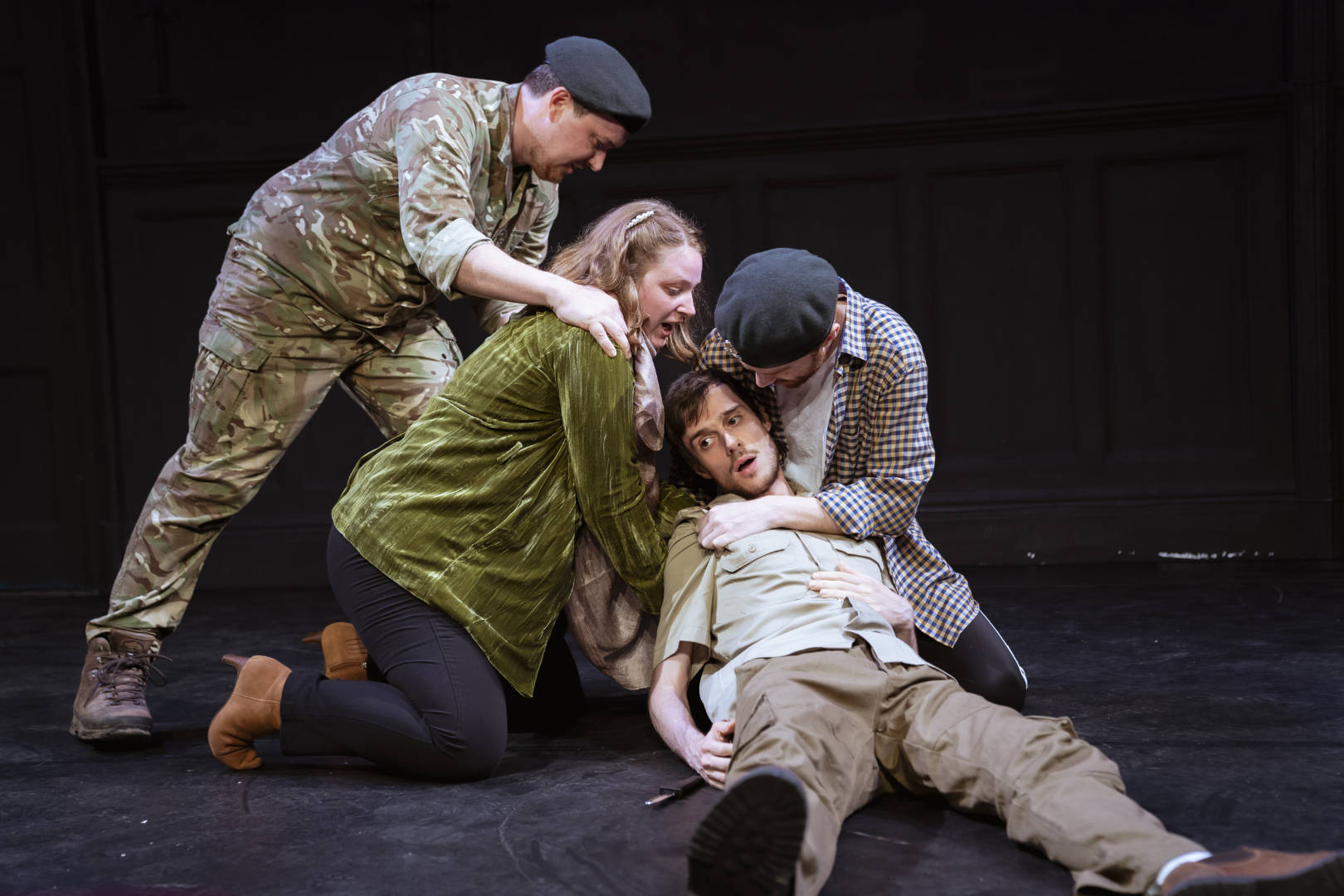
There are some Shakespearean tragedies that arrive carrying the weight of their own reputation, and King Lear may be the heaviest of them all. Its storms, betrayals, curses and final devastation have become part of theatre’s permanent weather system. Yet Jester Collective’s Lear, presented at Theatro Technis, finds fresh force by stripping the play back to a more intimate chamber of pain, placing an ageing queen at the centre of the collapse and allowing the tragedy to unfold less as a distant royal catastrophe than as a family implosion with national consequences.
Directed by Mark Prince, this reimagining does not treat Shakespeare’s text as a museum piece. Instead, it draws attention to the play’s living nerve: the terrifying speed with which power can become need, need can become rage, and rage can turn the people closest to us into enemies. Lear’s opening demand for public declarations of love has always been one of Shakespeare’s great acts of emotional vanity, but here, with Lear reimagined as a queen and mother, the moment carries a particular sharpness. It is not simply a monarch dividing a kingdom. It is a parent staging love as ceremony, asking her children to perform devotion in public, then punishing the one daughter whose honesty refuses the theatre of obedience.
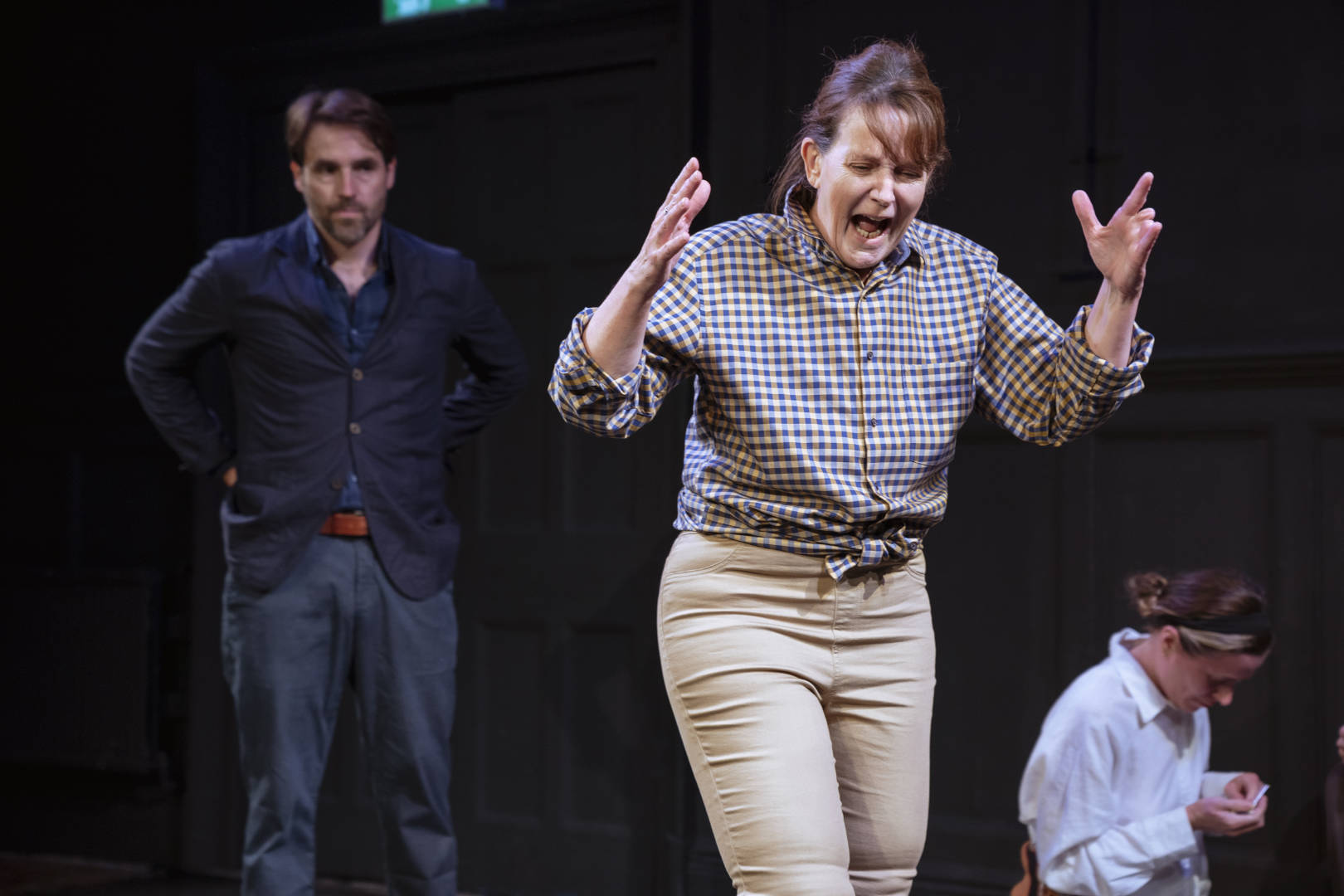
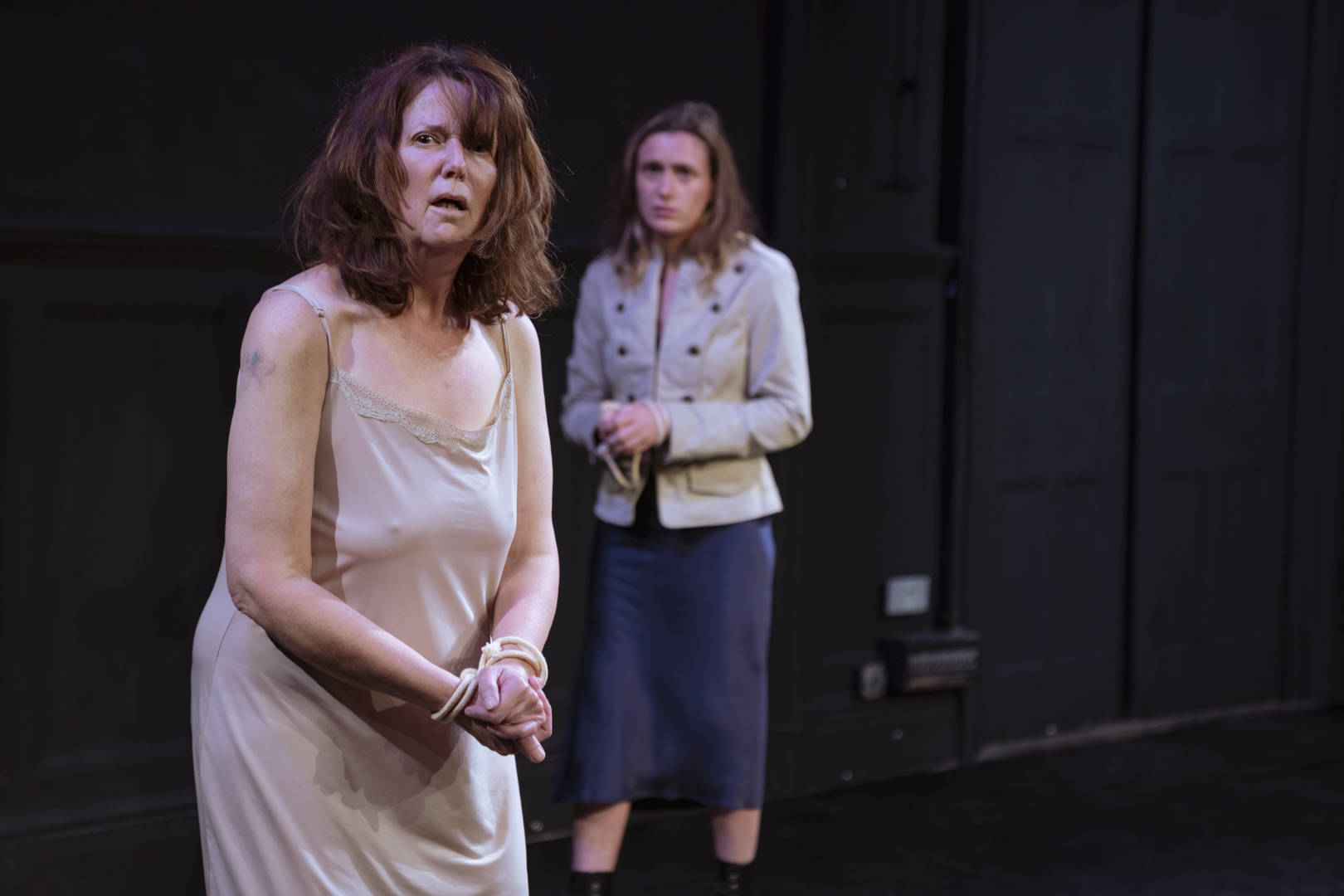
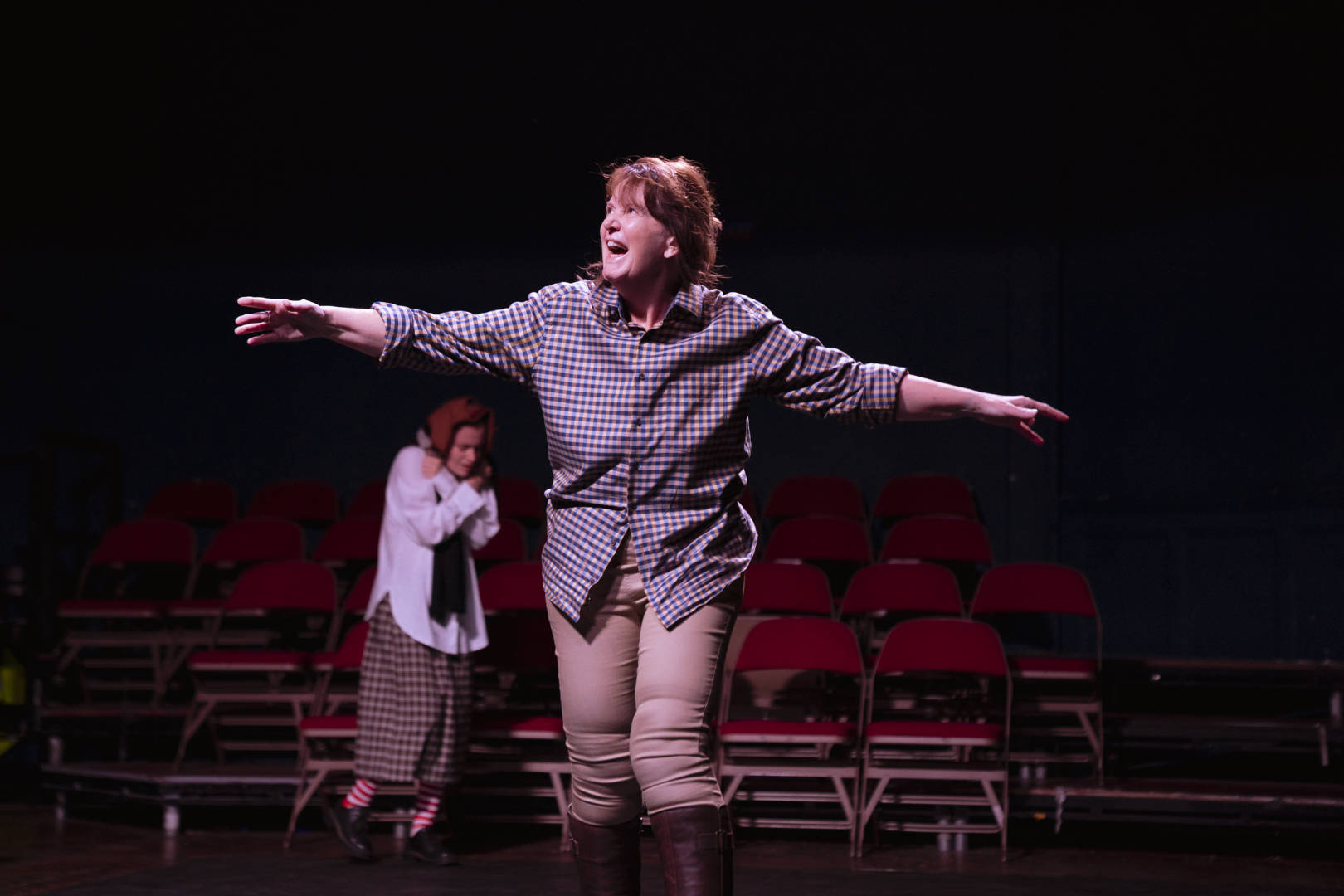
Erin Costello gives the evening its strongest central anchor. Her Lear has authority, volatility and a striking clarity of speech, with Costello seeming entirely at ease in the realm of theatre. In a production where Shakespeare’s language has to work hard in close quarters, her diction and command of the role are particularly valuable. This is a Lear who carries the old force of rule but is already beginning to fray at the edges. Costello handles that movement from command to exposure with intelligence, allowing us to see a ruler discovering, piece by piece, that the name of power can remain after the substance of it has gone.
The gender shift works because it is not treated as a gimmick. It changes the emotional temperature of the play without needing to explain itself too heavily. The language of inheritance, obedience and maternal authority becomes newly charged, especially in Lear’s relationship with her daughters. The production’s most compelling idea is that Lear’s tragedy is not merely political, but domestic. This is a family argument given royal machinery, and once the machinery starts moving, everyone is pulled towards ruin.
As Regan, Judit Denes is a notable standout. She brings confidence, poise and strong stage presence to the role, moving with the assurance of someone who understands the shape and danger of the space around her. Her projection is strong and her diction clear, making Regan’s coldness feel controlled rather than merely cruel. Denes gives the character a polished sharpness, suggesting someone who discovers, with unnerving ease, how authority can harden once pity has been dismissed as weakness.
Alice Fernyhough’s Goneril adds to that pressure around Lear, helping to create the sense of daughters who are no longer willing to perform obedience once power has been transferred into their hands. Goneril and Regan can too often become a simple pair of wicked sisters, but here they operate more persuasively as women who understand Lear’s weaknesses and know how to exploit them. Together, they tighten the world around her, reducing her retinue, her choices and finally her sense of self.
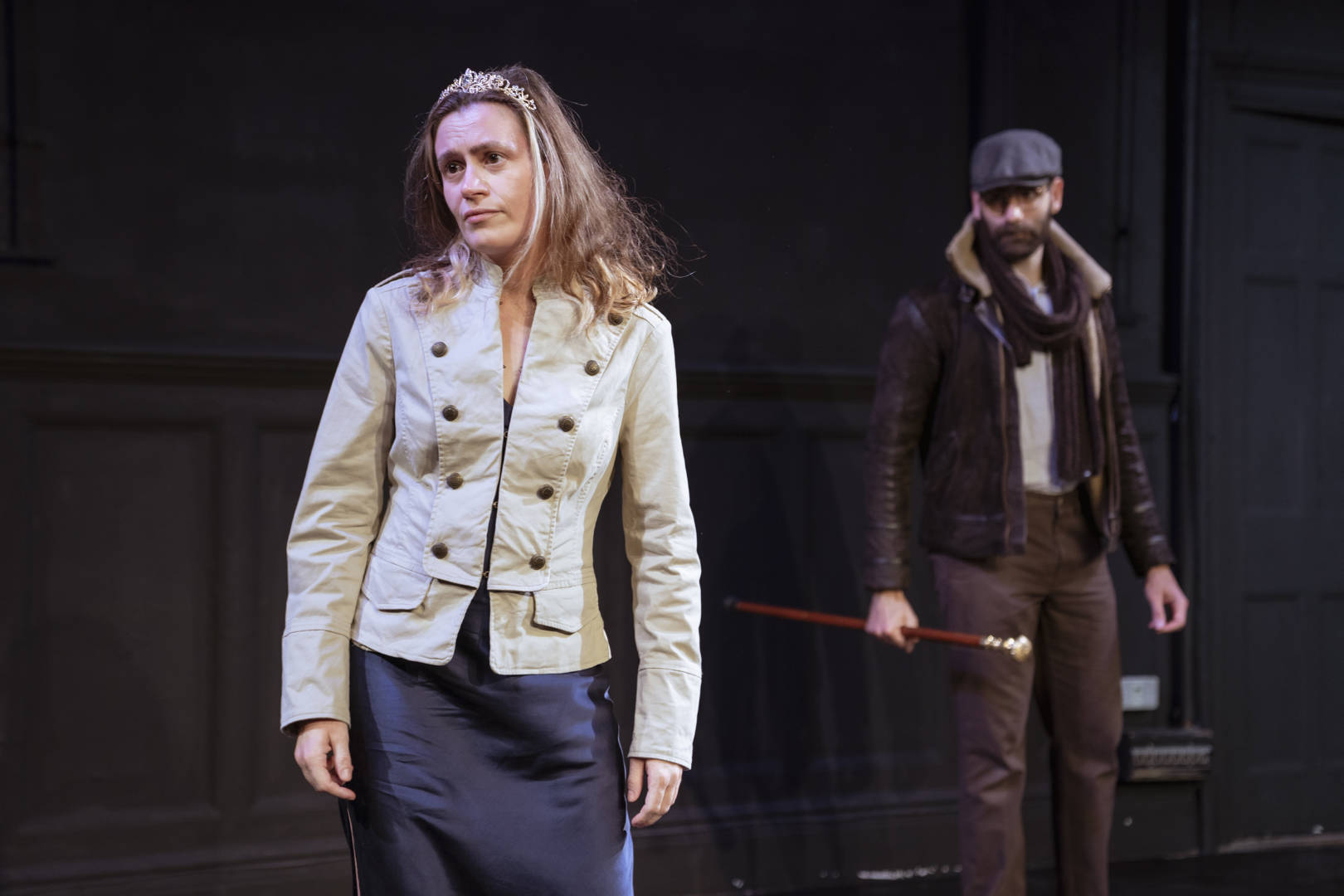
As Cordelia, Amelia Rawlinson offers a sincere counterweight to the atmosphere of calculation. Cordelia’s refusal to flatter can sometimes seem saintly to the point of distance, but here it registers as a young woman’s inability to corrupt the truth even when truth costs her everything. Rawlinson also plays the Fool, and the doubling becomes more meaningful as the production progresses. At first, the transition between Cordelia and the Fool could be clearer, and a more pronounced costume shift might help the audience read the change more immediately. Once the idea settles, however, the doubling has a quiet logic. Cordelia and the Fool are, in different forms, the two figures most able to speak truth to Lear, one through love and one through wit.
Leonardo Cavaletti brings steadiness to Kent, a figure whose loyalty survives Lear’s worst instincts. Kent’s plain speaking remains one of the play’s great acts of moral courage, and Cavaletti gives the role a grounded directness. The production benefits from his sense of practical devotion, especially as the surrounding world begins to abandon honesty for strategy.
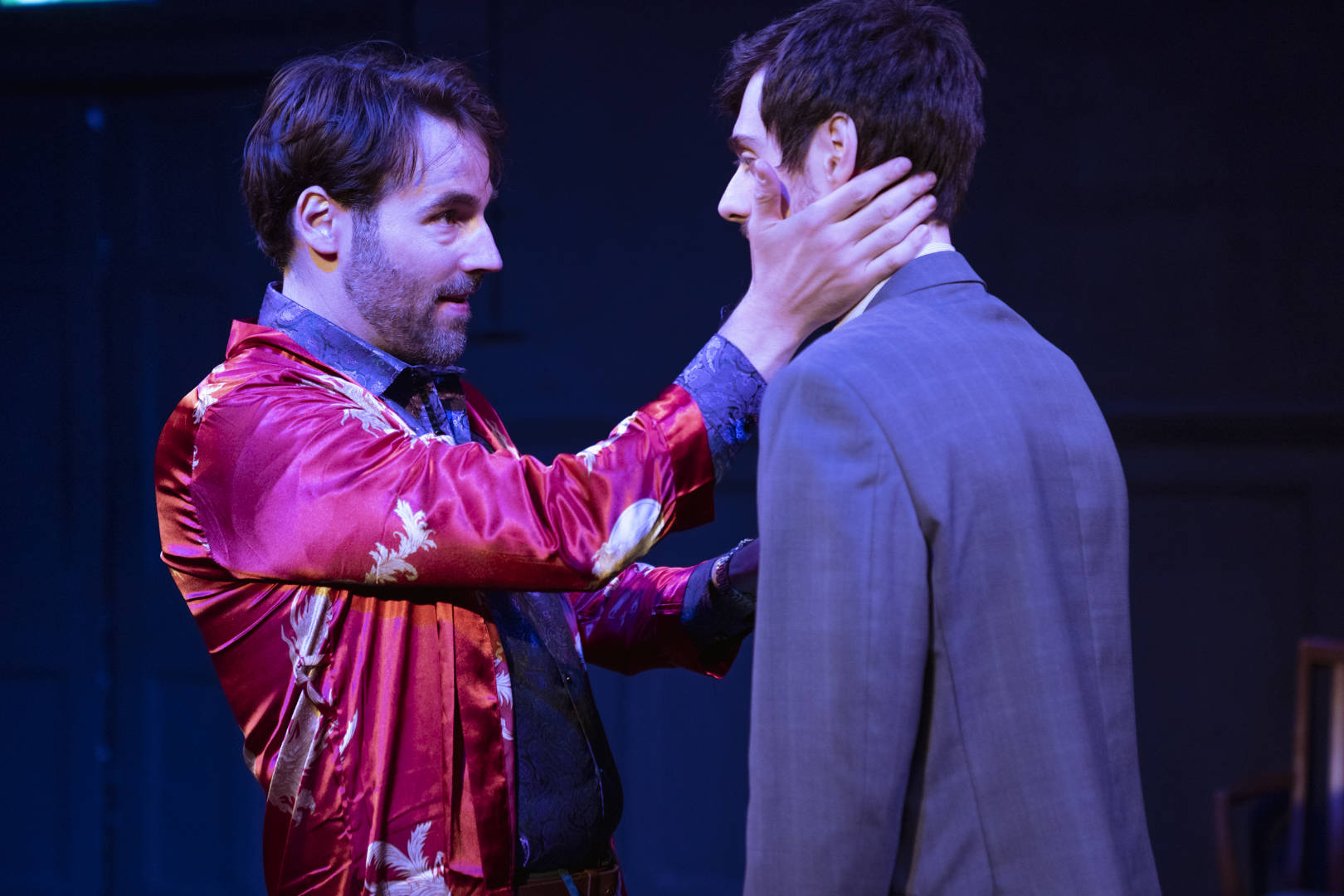
The Gloucester subplot is given thoughtful weight, with Abigail Moss making a strong impression as the Countess of Gloucester. Moss brings composed gravity to the role, finding both authority and vulnerability in a parent caught within another pattern of deception and betrayal. Her performance gives the parallel story a clear emotional purpose, echoing Lear’s misjudgement while allowing Gloucester’s pain to stand on its own terms. Adam Davies-Knight’s Edgar carries the difficult movement from injury into survival, while Conrad O’Callaghan’s Edmund provides the darker counter-current of ambition and resentment. Edmund is one of Shakespeare’s most modern villains, alert to exclusion and eager to turn grievance into advantage, and O’Callaghan gives that thread of the production a useful energy.
Around them, David Nicol as Albany and Maxime Lopes as Cornwall and Oswald help support the ensemble shape of the production. This is clearly an actor-led staging rather than a spectacle-driven one, and that matters. Lear depends on the sense of a whole social order breaking under pressure. Jester Collective’s ensemble approach allows the fracture to feel shared, with the smaller space intensifying the damage.
Theatro Technis suits this kind of work. There is value in seeing Shakespeare in a venue where the audience cannot easily hide from the actors’ faces. Lear can be grand, storm-lashed and operatic, but it can also be devastating when the scale is reduced and the emotional violence has nowhere to dissipate. The intimacy here places emphasis on speech, breath and confrontation. The kingdom may be vast, but the pain feels close enough to be domestic.
There are moments where the production would benefit from sharper clarity, particularly for audience members less familiar with the plot. Shakespeare’s late tragic machinery is dense, and a few transitions and exchanges could be more firmly signposted. On a longer run, these are the kinds of details that would likely settle and sharpen. Even so, the main narrative lines remain understandable, and the central emotional journey comes through with conviction.
What emerges is a Lear about the collapse of authority, but also about the collapse of listening. Again and again, characters are told the truth and choose the more flattering lie. Lear cannot hear Cordelia. Gloucester cannot see Edmund. Power mistakes warning for insolence, honesty for betrayal, and performance for love. By the time the storm arrives, it feels less like a sudden act of nature than the outward form of everything the characters have already broken.
Jester Collective’s Lear is an intimate and committed reimagining of Shakespeare’s great tragedy, led by a strong central performance from Costello, lifted by Denes’s confident Regan, and strengthened by Moss’s thoughtful work as the Countess of Gloucester. It does not try to escape the enormity of King Lear, but nor is it crushed by it. Instead, it brings the play into a closer, more human frame, where crowns dissolve, families turn predatory, and the smallest failure of love can become a kingdom’s ruin.
Cast & Creatives
- Showing: 27th – 28th June 2026
- Venue: Theatro Technis, 26 Crowndale Road, Camden, London NW1 1TT
- Buy Tickets: https://www.theatrotechnis.com/whatson/lear
- Running Time: 120 minutes, including interval
- Presented By: Jester Collective
- Written By: William Shakespeare
- Directed By: Mark Prince
- Assistant Director: David Nicol
- Lighting and Sound Designer: Gabriel Burns
- Photography: Bénédicte Aboul-Nasr
- Cast:
Erin Costello as Lear, Queen of Britain
Alice Fernyhough as Goneril, Lear’s eldest daughter
David Nicol as Duke of Albany
Judit Denes as Regan, Lear’s second daughter
Maxime Lopes as Duke of Cornwall and Oswald
Amelia Rawlinson as Cordelia and Lear’s Fool
Leonardo Cavaletti as Earl of Kent
Abigail Moss as Countess of Gloucester
Adam Davies-Knight as Edgar, Gloucester’s elder son
Conrad O’Callaghan as Edmund, Gloucester’s younger and illegitimate son
A Raw, Intimate Uncrowning Of Shakespeare’s Greatest Tragedy
Summary
Jester Collective’s Lear strips Shakespeare’s great tragedy into an intimate, actor-led chamber piece, reimagining Lear as an ageing queen whose demand for public devotion detonates family, power and kingdom alike. At Theatro Technis, Mark Prince’s adaptation promises a raw descent into pride, loyalty, cruelty and ruin.


Add comment