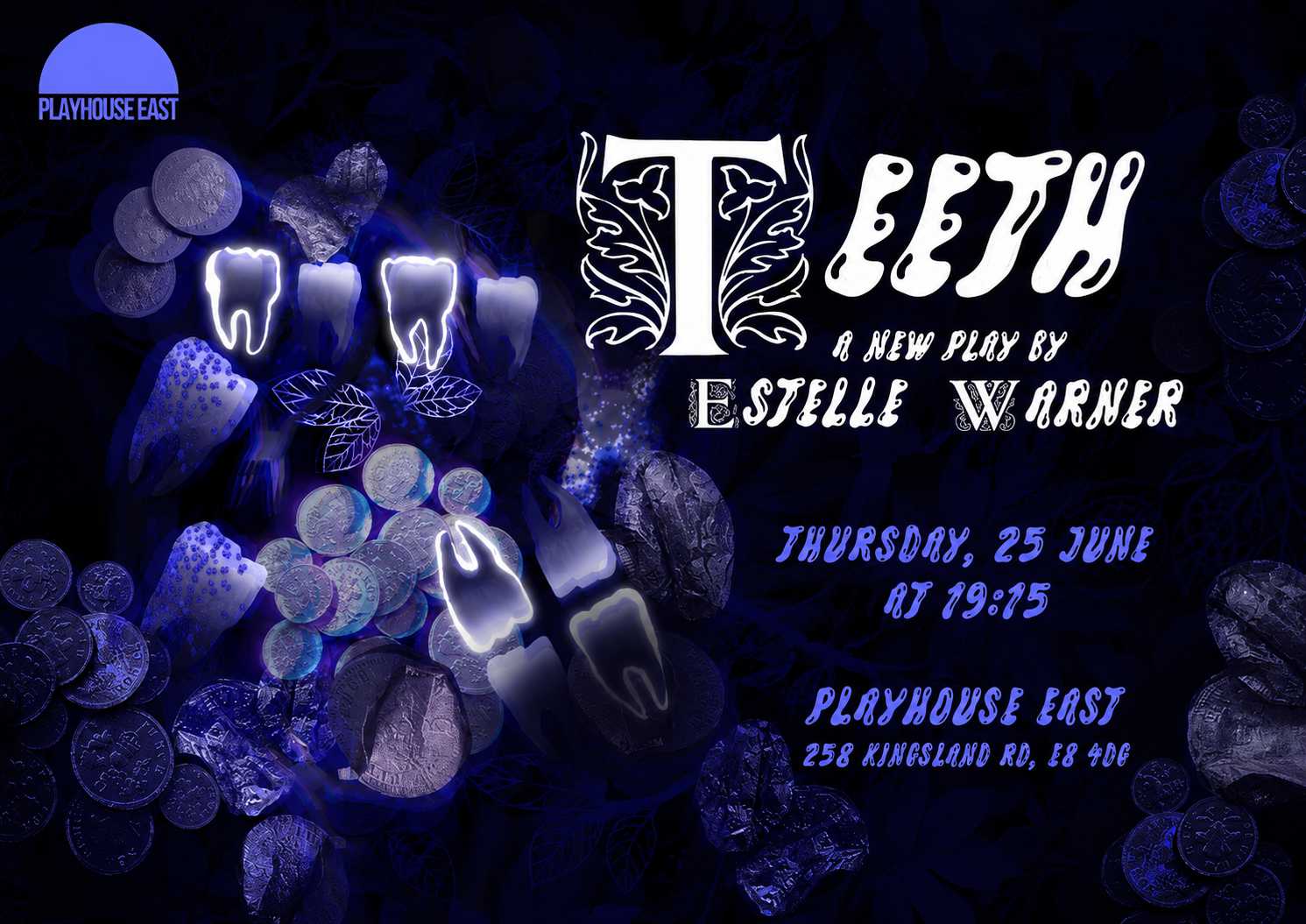
The cleverest thing about Estelle Warner’s Teeth is that it treats magic as labour. The Tooth Fairy arrives on shift: late, tired, emotionally overdrawn, and carrying other people’s losses from room to room. Presented as part of Playhouse East’s Work in Progress (WIP) Festival, this darkly comic fairytale begins with wonky wings, chocolate coins and workplace fatigue, then slowly reveals a far more troubling question: what happens when being believed in becomes a demand?
Warner takes one of childhood’s gentlest rituals and turns it around. To a child, the Tooth Fairy is proof that loss can be softened. A tooth disappears; a coin appears. Pain becomes exchange. The machinery of comfort remains invisible. In Teeth, that machinery has begun to buckle. The Tooth Fairy is a worker moving through the night, expected to arrive, soothe, collect and disappear before anyone thinks too deeply about what all that taking does to the person who takes it.
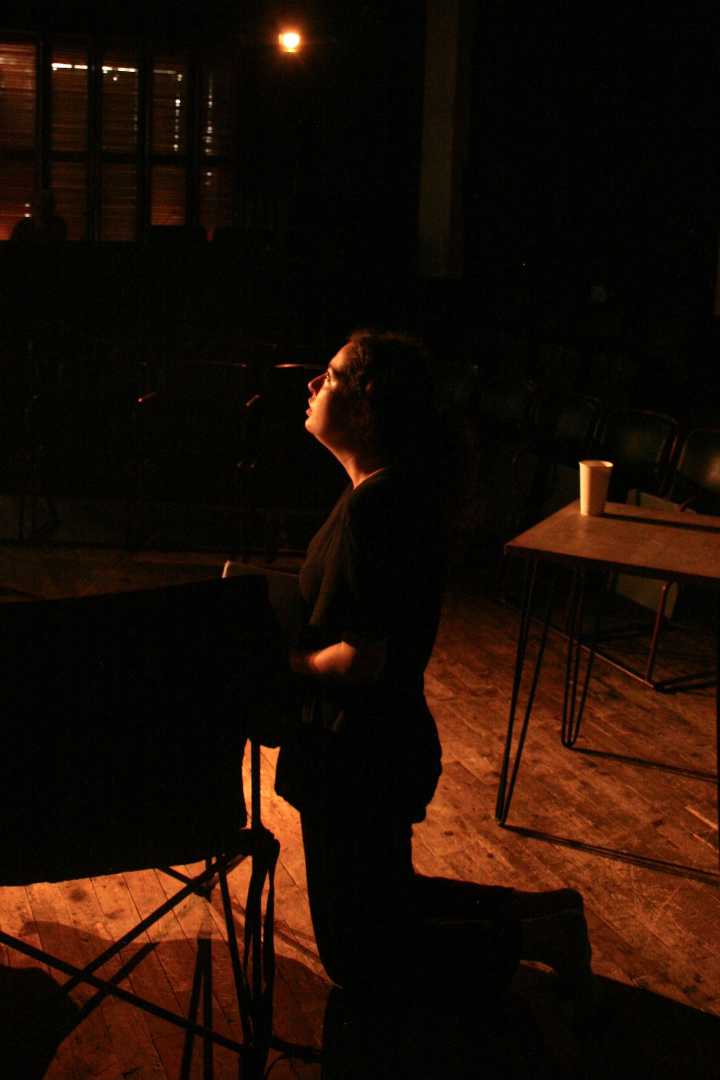
The staging understood that intimacy from the outset. As the audience entered, The Believer was already curled up asleep, turning the playing space into a private room we seemed to have stepped into uninvited. It was a simple choice, yet a quietly effective one. Before the Tooth Fairy had arrived, the room already held loneliness, waiting and a sense of life reduced to a small sleeping space.
The shift from nursery mythology to ordinary adult isolation is beautifully judged. The Tooth Fairy does not arrive at a child’s bedroom, but at a grotty East London flat, where The Believer, an isolated adult, has been waiting. Kingsland Road becomes the place where childhood comfort and contemporary despair meet under the same dim light. The fairytale has aged, picked up bruises, and learned the language of admin.
The writing is at its strongest when it allows comedy and pain to sit close together. Warner has a bright ear for the absurdity of magical labour treated as workplace routine. The early workplace comedy drew the clearest laughs, with the Tooth Fairy’s irritation at systems, rules and modern children giving the piece an easy initial fizz. Yet the humour remains connected to the darker material. It becomes part of the pressure system. The audience laughs, then realises the room has quietly tightened around them.
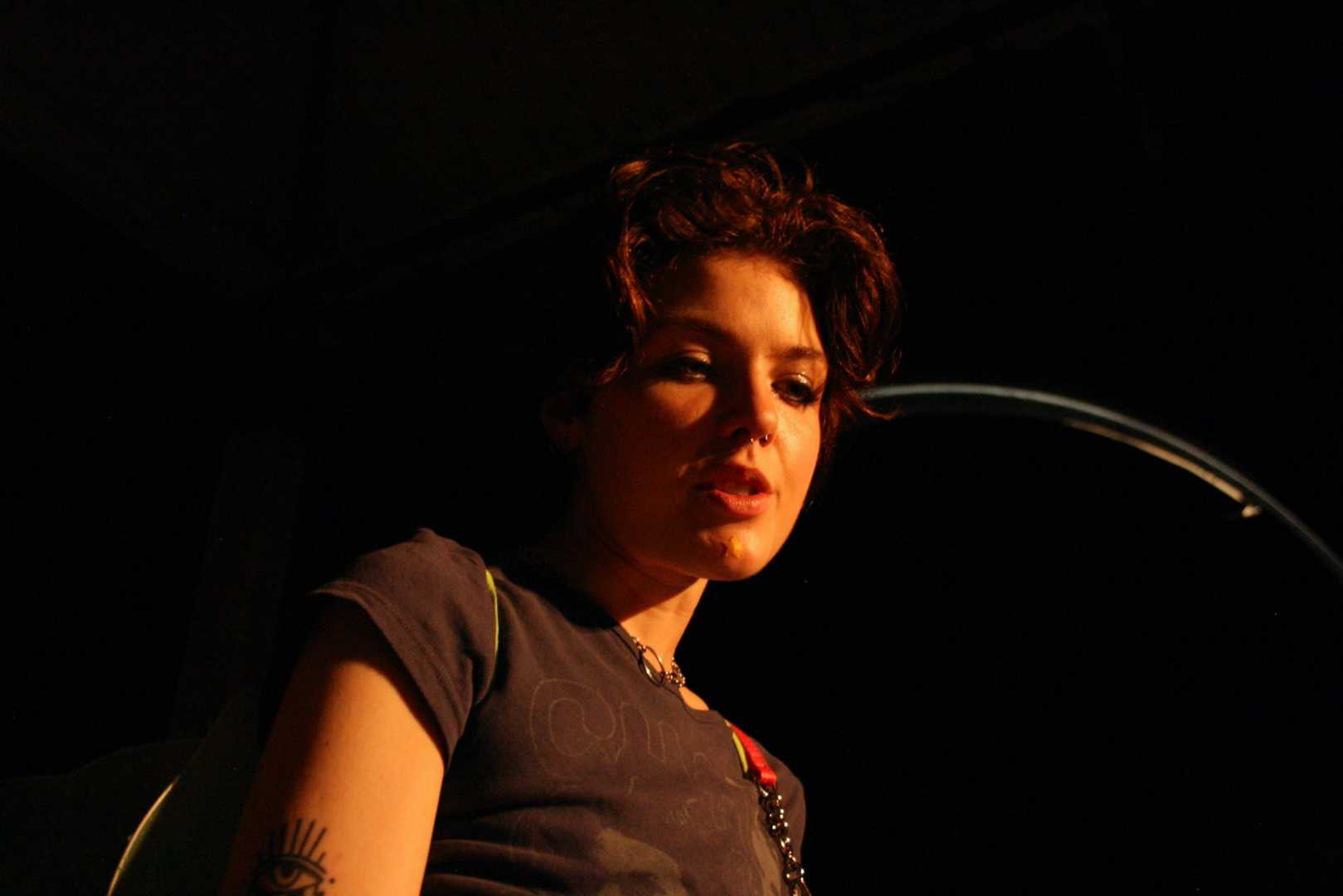
As Tooth Fairy, Maira Vandiver brings confidence, ease and warmth to the role. Her performance begins from a place of relaxed care, delivering the lines with a tone that seems to put The Believer at ease. That matters, because the play depends on our believing that this strange visitation could become comforting before it becomes dangerous. Vandiver gives the character a modern bluntness without losing the instinct to soothe. Beneath the jokes is a worker who has spent too long being useful. What gradually emerges is the ache of someone who has been seen mainly through what she can give.
As The Believer, Duru Agirbas gives the more fragile performance. The character could easily become too unsettling too soon, yet Agirbas keeps their vulnerability visible. The Believer’s need for connection comes through in the hesitations, the watchfulness and the careful testing of whether Tooth Fairy might stay a little longer. Near the end, as that need darkens into insistence, the performance shifts into more troubling territory, yet Agirbas allows the character’s human pain to return. The audience can still feel sympathy, even as it becomes clear that the ordeal may be partly self-inflicted.
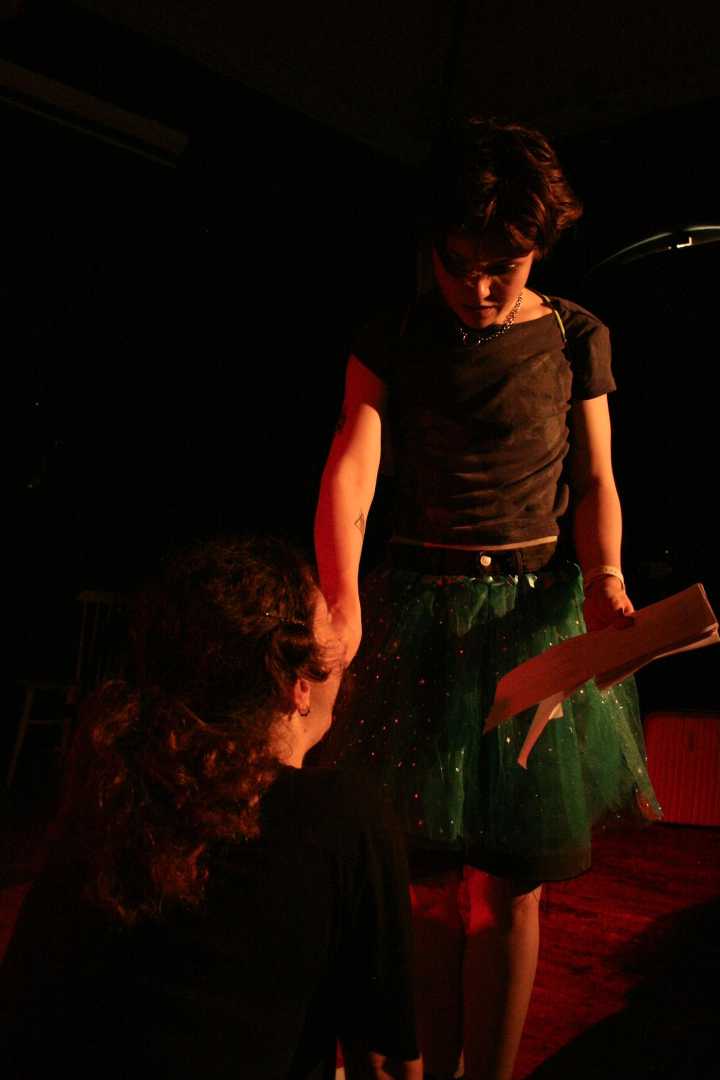
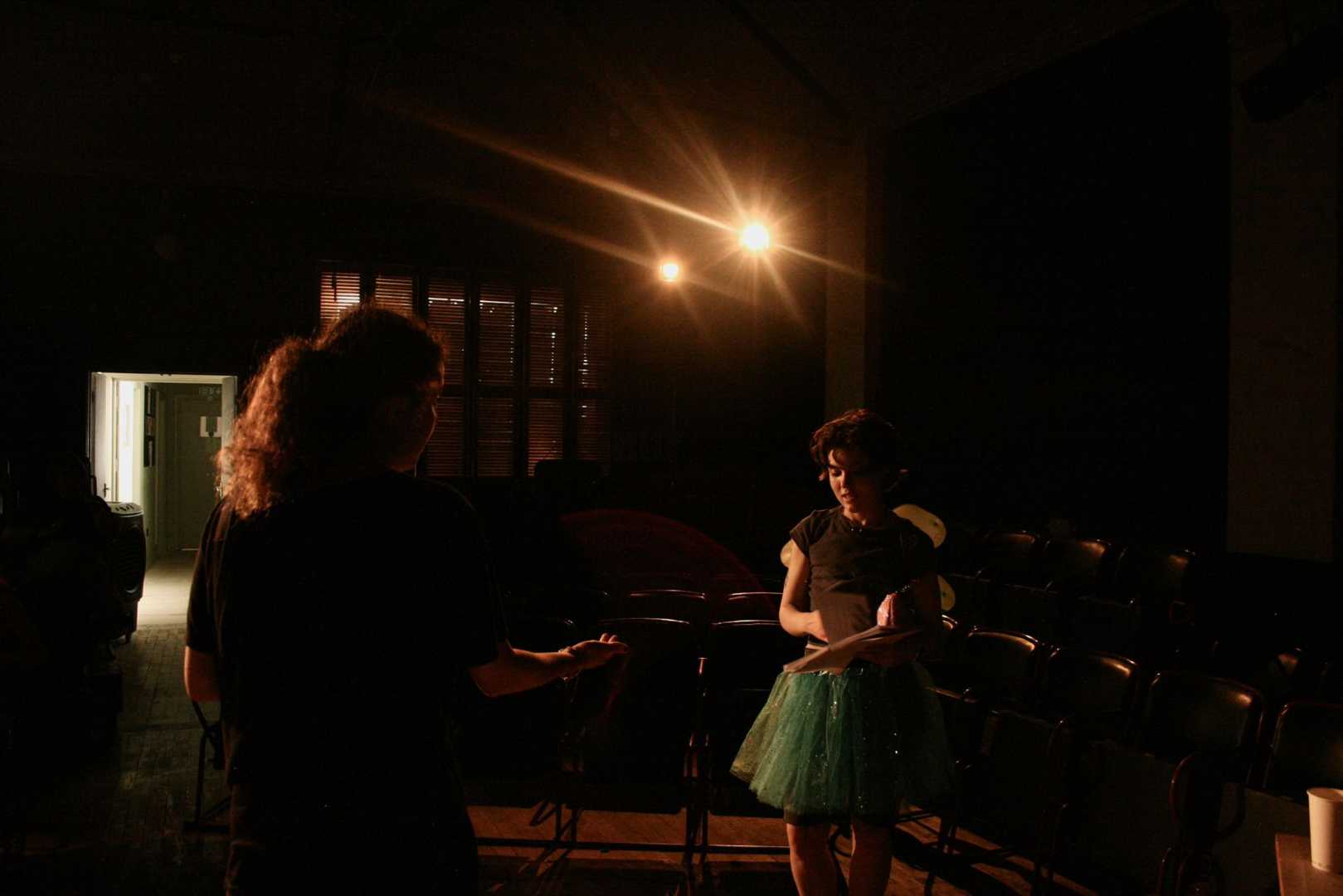
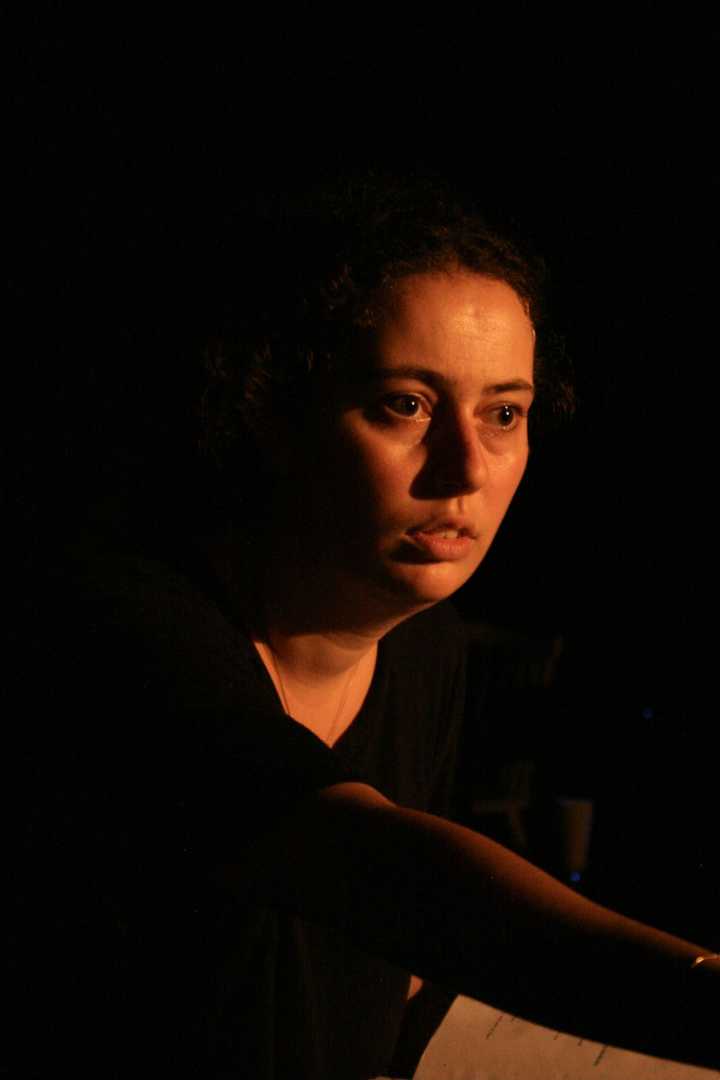
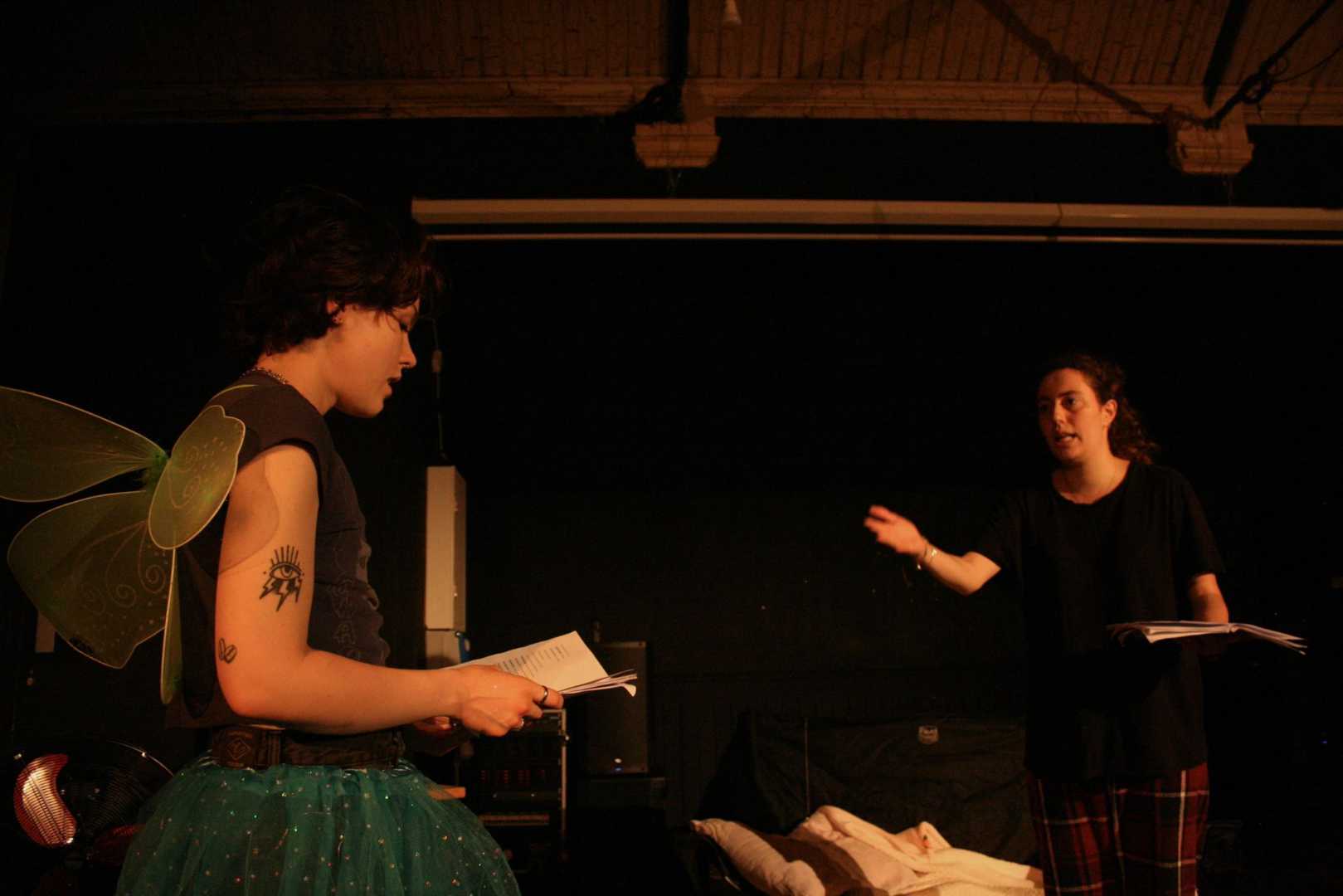
Together, Vandiver and Agirbas shape the central relationship as a duet of care and dependency. Their back-and-forth feels believable because both performers give the encounter physical and emotional life, even with scripts still in hand. This was more than a static, rehearsed reading. The actors moved through the space, used the bed and props, and gave the piece the shape of a staged work-in-progress sharing. The scripts were present, but the performances were already alive enough for the central situation to feel dramatically real.
This is where Teeth becomes far more interesting than its logline. The play understands that dependency rarely announces itself as danger. It begins as warmth, attention, gratitude, relief. The Believer tells the Tooth Fairy that being spoken to helps them notice the pain less. The Tooth Fairy, in turn, discovers something she has been missing: the feeling that her work still matters. Each character gives the other something they lack. That mutual need is the trap. Warner is alert to the way care can become intimate before either person has consented to the weight of that intimacy.
The play’s most striking idea is that belief itself can become a demand. The Believer does not simply believe in the Tooth Fairy as a childish eccentricity. They believe in her as someone who answers. The coin under the pillow becomes evidence that pain has been witnessed. That is a tender idea, and a frightening one. In Warner’s hands, the old myth becomes a question about emotional responsibility: when someone makes you their miracle, how do you leave without seeming cruel?
This is where the care-work metaphor beneath the fantasy deepens. The Tooth Fairy arrives to take away loss, but the play keeps asking what happens to the person expected to absorb it. She is trained to be efficient, comforting and invisible. She is meant to help without becoming involved. Yet the more she is seen by The Believer, the more she begins to mistake being needed for being restored. Warner catches that dangerous little flicker with real precision. There is an almost narcotic pull in being useful to someone who says only you can help. For anyone who has worked in a caring role, or simply been the person others turn to too often, that will feel uncomfortably familiar.
The ending arrives abruptly, but understandably so. Tooth Fairy recognises that her desire to help has begun to deepen the very dependency she hoped to soothe. The late discard of the tutu, coin purse and watch becomes more than a practical exit from the role. It is a rejection of the whole system that has required her to keep arriving, keep giving, and keep vanishing afterwards. Her decision to quit feels less like abandonment than a painful refusal to remain the answer to someone else’s hurt.
As a WIP sharing, Teeth still has space to deepen some of its final transitions, particularly as the piece moves from comic unease into its darker closing movement. Yet its central relationship, theatrical identity and emotional argument are already firmly in place. The simple staging gives the play a clear physical centre, while Vandiver and Agirbas bring the emotional truth needed to make its strange fairytale premise feel fully alive in the room.
What impresses most is Warner’s refusal to let either character sit comfortably inside a single moral category. The Believer is vulnerable, but their need has consequences. The Tooth Fairy is compassionate, but compassion becomes dangerous when it loses its boundaries. The play’s darker turn feels earned because the groundwork has already been laid in smaller gestures: a request to stay, a moment of attention, a pain that eases only when someone else is present.
Teeth is a compact piece, running at around forty-five minutes, but it contains the seed of something larger. It has the confidence of a writer who understands that fairytales endure because they give shape to fears we struggle to name plainly. Here, the fear sits under the pillow: becoming indispensable to someone else’s survival. Warner finds the adult terror inside a childhood ritual and lets it glint.
As a WIP, Teeth already feels distinctive: funny, strange, emotionally intelligent and quietly bruising. Its best moments leave a faint aftertaste of glitter and unease. The Tooth Fairy may arrive to collect a tooth, but Warner is more interested in what gets left behind: need, shame, tenderness, obligation, and the terrible relief of being seen. This is a dark fairytale with a pulse, and one that suggests Warner is a writer with a sharp instinct for the places where whimsy and hurt share the same room.
Featured Artists
Duru Agirbas
THE BELIEVER
Duru Agirbas is a London-based performer and producer whose work often explores women’s voices, cultural identity and the pressures that shape family and community life. Her recent work includes 𝘎𝘦𝘭𝘪𝘯, a contemporary adaptation of a landmark Turkish play, developed with Estelle Warner and presented through a distinctly female perspective.
Maira Vandiver
TOOTH FAIRY
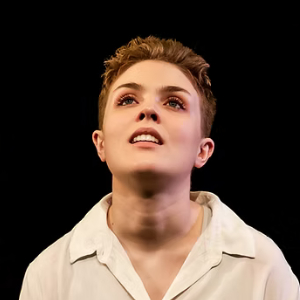
Maira Vandiver is a London-based actor with training across Shakespeare, physical theatre, immersive performance and devising. Their work brings together irreverence, intensity and emotional impact, making them well suited to the brittle humour and bruised humanity of 𝘛𝘦𝘦𝘵𝘩’s exhausted Tooth Fairy.

Estelle Warner
WRITER, DIRECTOR & PRODUCER
Estelle Warner is a London-based actor, writer, producer and director working across theatre and screen. A UAL-trained performer and screenwriter, she writes stories drawn to strange, searching and emotionally off-centre women, with 𝘛𝘦𝘦𝘵𝘩 transforming a childhood myth into a darkly comic adult fairytale about care, loneliness and the cost of being believed in.
Cast & Creatives
- Thursday 25th June 2026 at 7:15pm
- Venue: Playhouse East, 258 Kingsland Road, London E8 4DG
- Writer: Estelle Warner
- Director: Estelle Warner
- Director: Sara Cirillo
- Producer: Estelle Warner
- Running Time: Approx 45 minutes
- Age Recommendation: 14+
- Content Warning: Blood, injury
- Photography: Femi Olajugbagbe
- Cast:
Duru Agirbas as The Believer
A darkly comic fairytale with a sharp emotional bite
Summary
Estelle Warner’s 𝘛𝘦𝘦𝘵𝘩 turns the familiar childhood myth of the Tooth Fairy into a darkly comic adult fairytale about loneliness, emotional labour and the cost of being needed. Presented as part of Playhouse East’s WIP Festival, it finds sharp humour and real unease in the fragile space between comfort, care and dependency.


Add comment