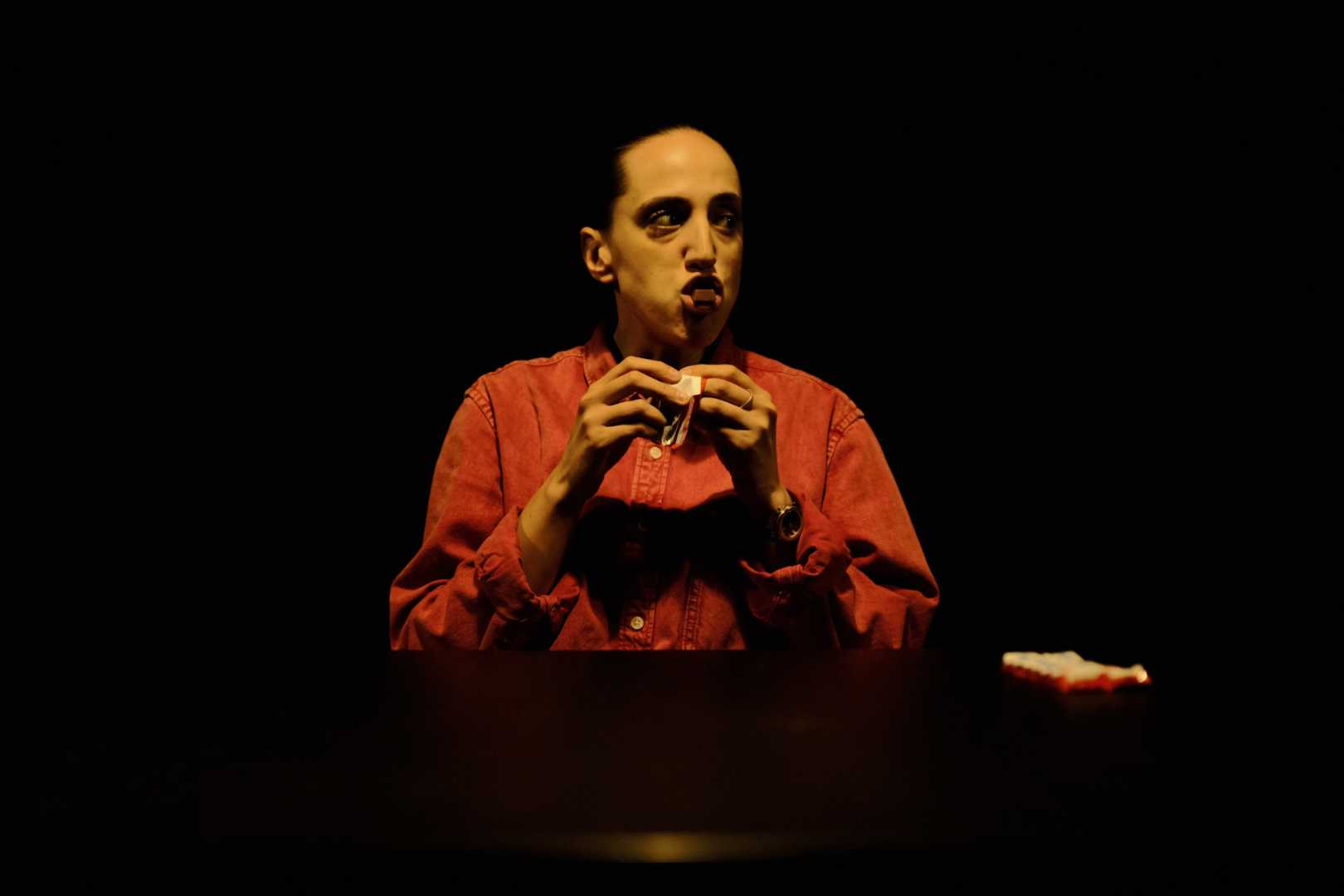
There is an interesting shift that happens during Pocket Revolution. At first, its comedy sits in discomfort. Lucy enters an interrogation room, smiles because she thinks a smile is required, sits down, regrets sitting, moves her bag, answers silences and fends off a ringing phone. The laughter, in those early moments, is partly a response to awkwardness itself. We laugh because she is uncomfortable, and because her discomfort makes the room uncomfortable too.
Gradually, however, Tisa Kliček’s one-woman play begins to settle into something sharper. What first seems like nervous rambling slowly reveals itself as a carefully built portrait of a woman trying to talk her way through guilt, class, migration and the exhausting business of fitting in. By the end, Pocket Revolution has grown into a compact, darkly comic and quietly bruising piece of theatre.
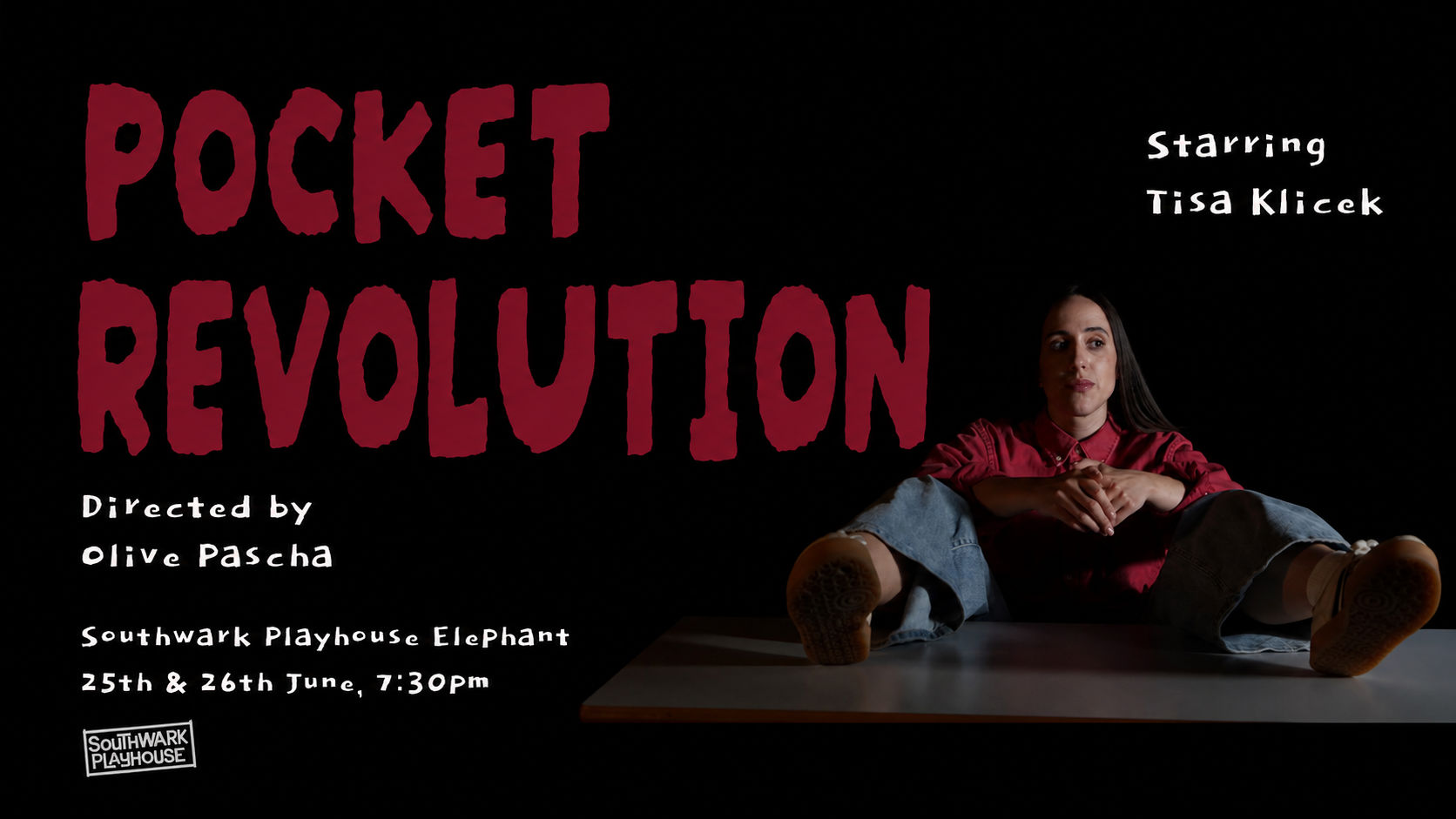
Written and performed by Kliček, and directed by Olive Pascha, the play is set entirely inside a police interrogation room. Lucy, or Lucija, has apparently run someone over. That is the procedural hook, but the piece is less interested in solving a case than in watching a person unravel through the telling of it. Lucy wants to explain what happened, but each explanation opens another trapdoor. The more she tries to clarify, the more she reveals.
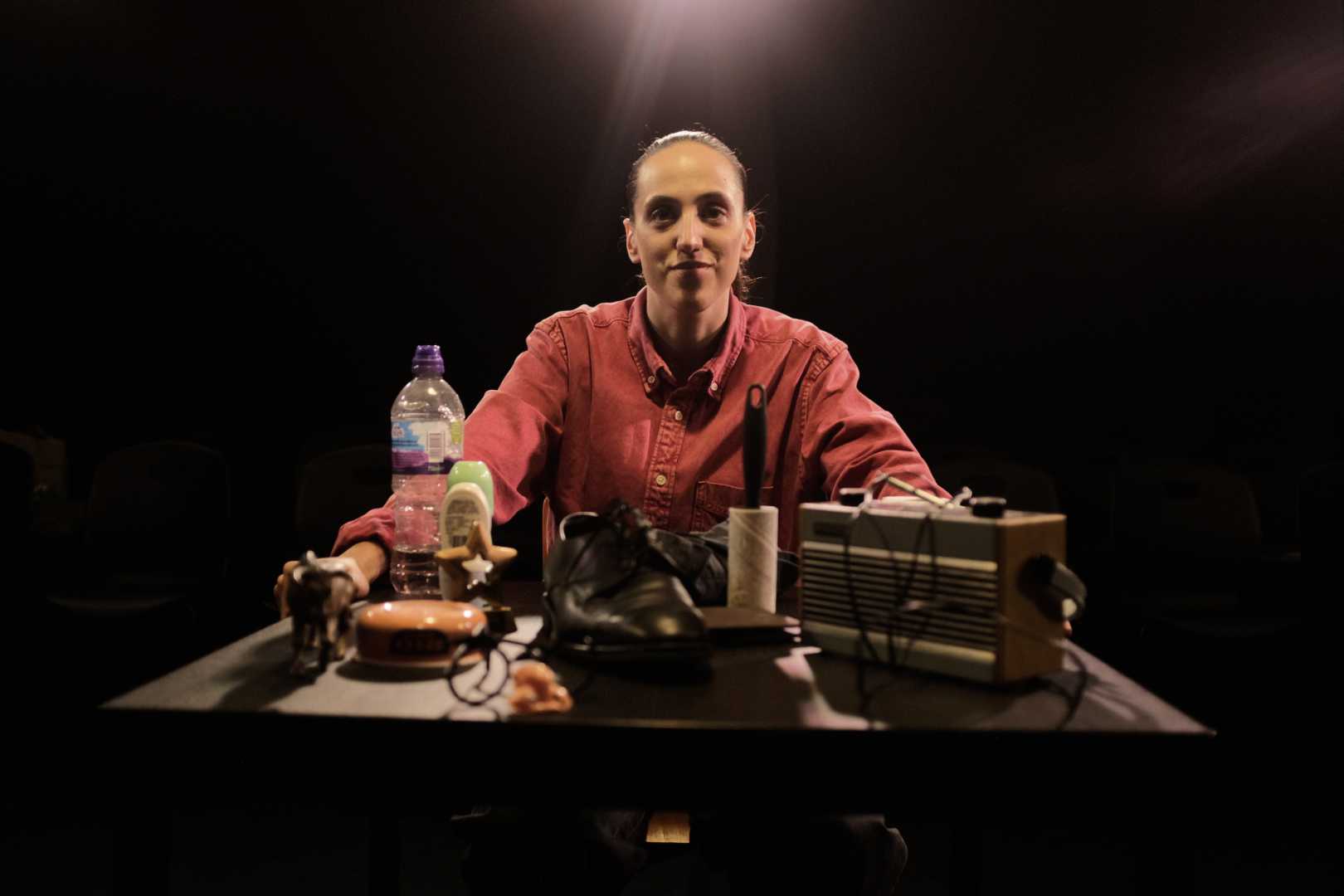
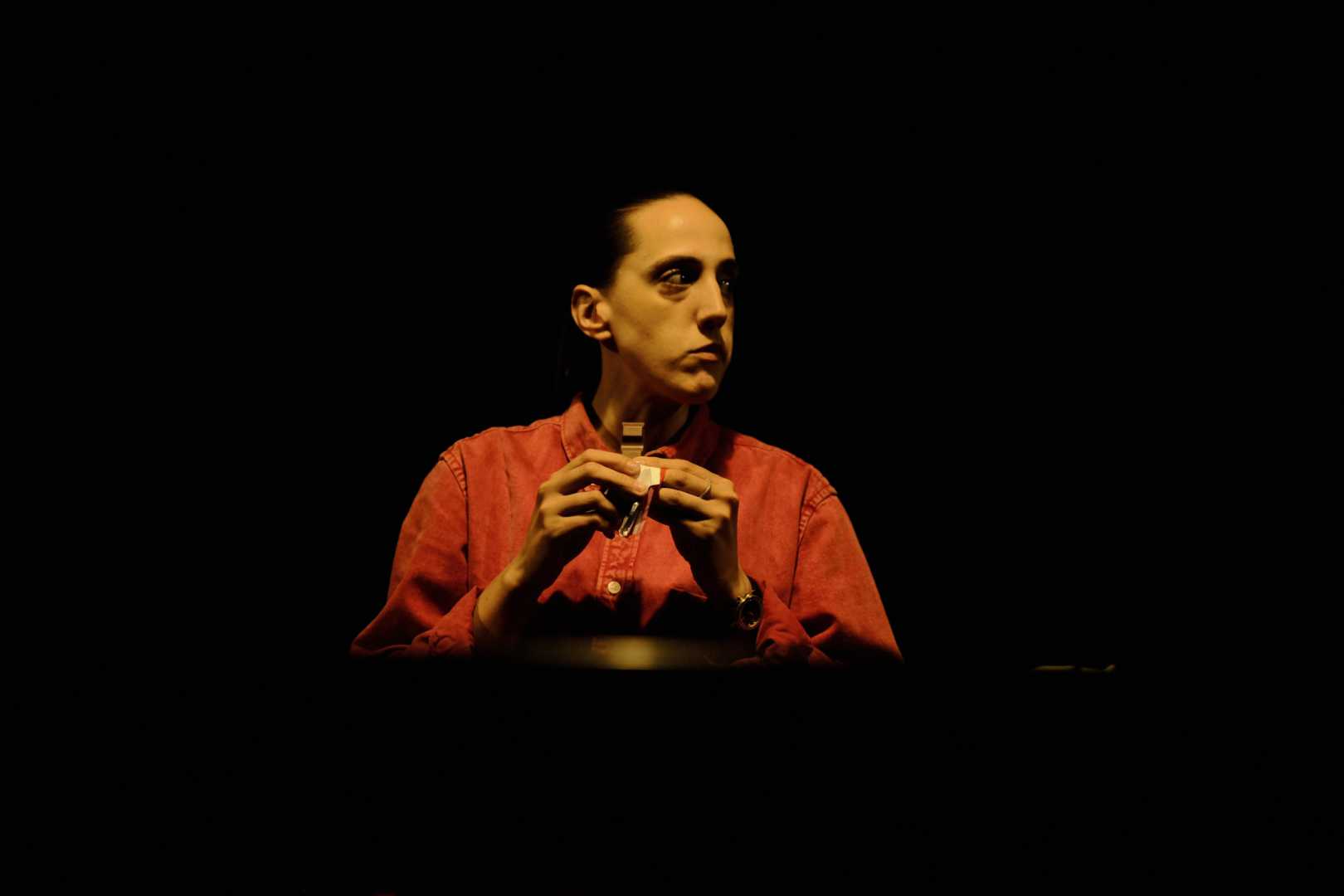
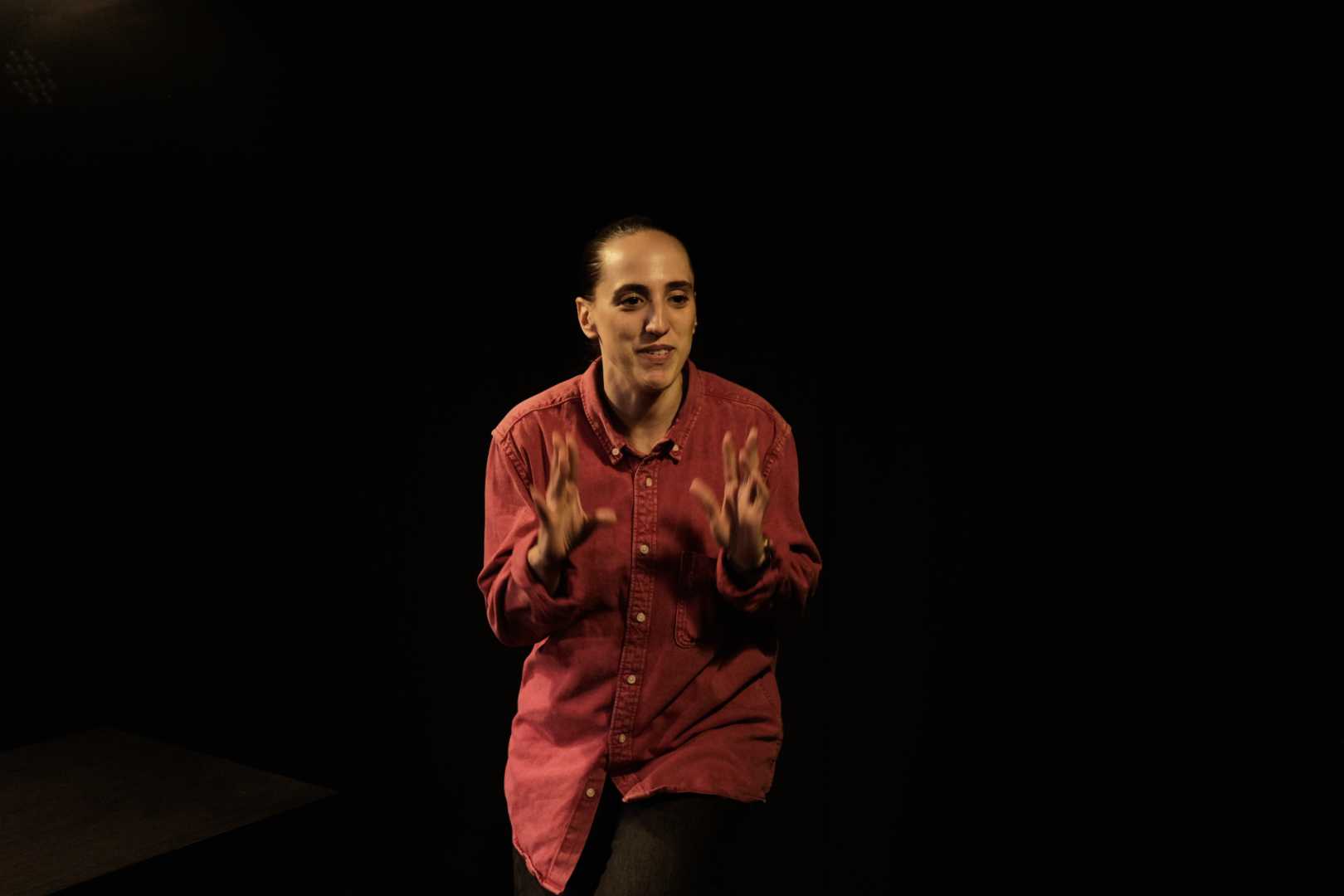
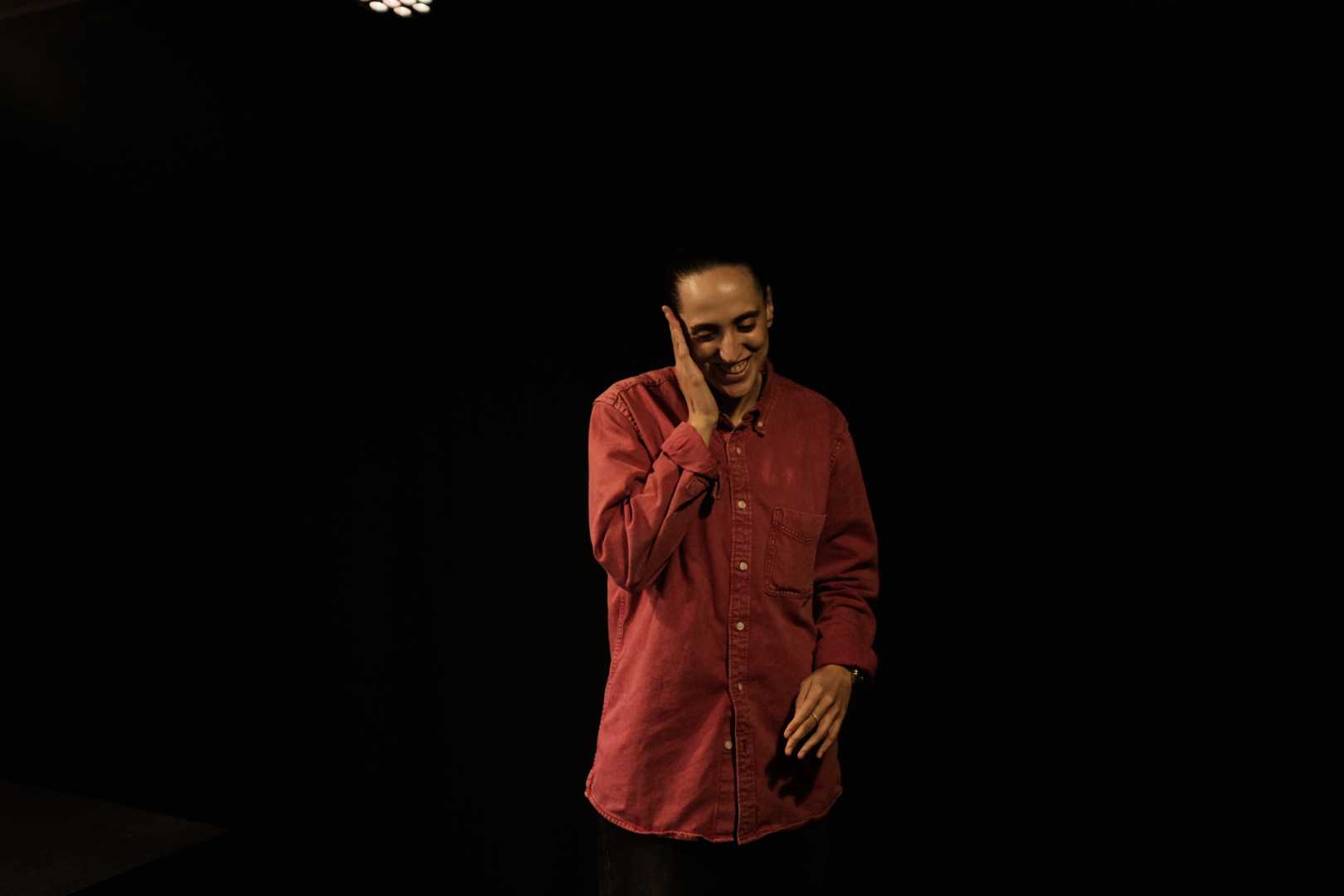
Kliček holds the room well across the 70-minute running time, which is no small task in a solo performance. Lucy is awkward, evasive, funny and exposed, often in the same breath. Yet the awkwardness never feels accidental. It is part of the character’s armour, a social defence mechanism that has become almost indistinguishable from personality. Kliček finds humour in hesitation, over-explanation and sudden correction, but she also lets us see the strain beneath it.
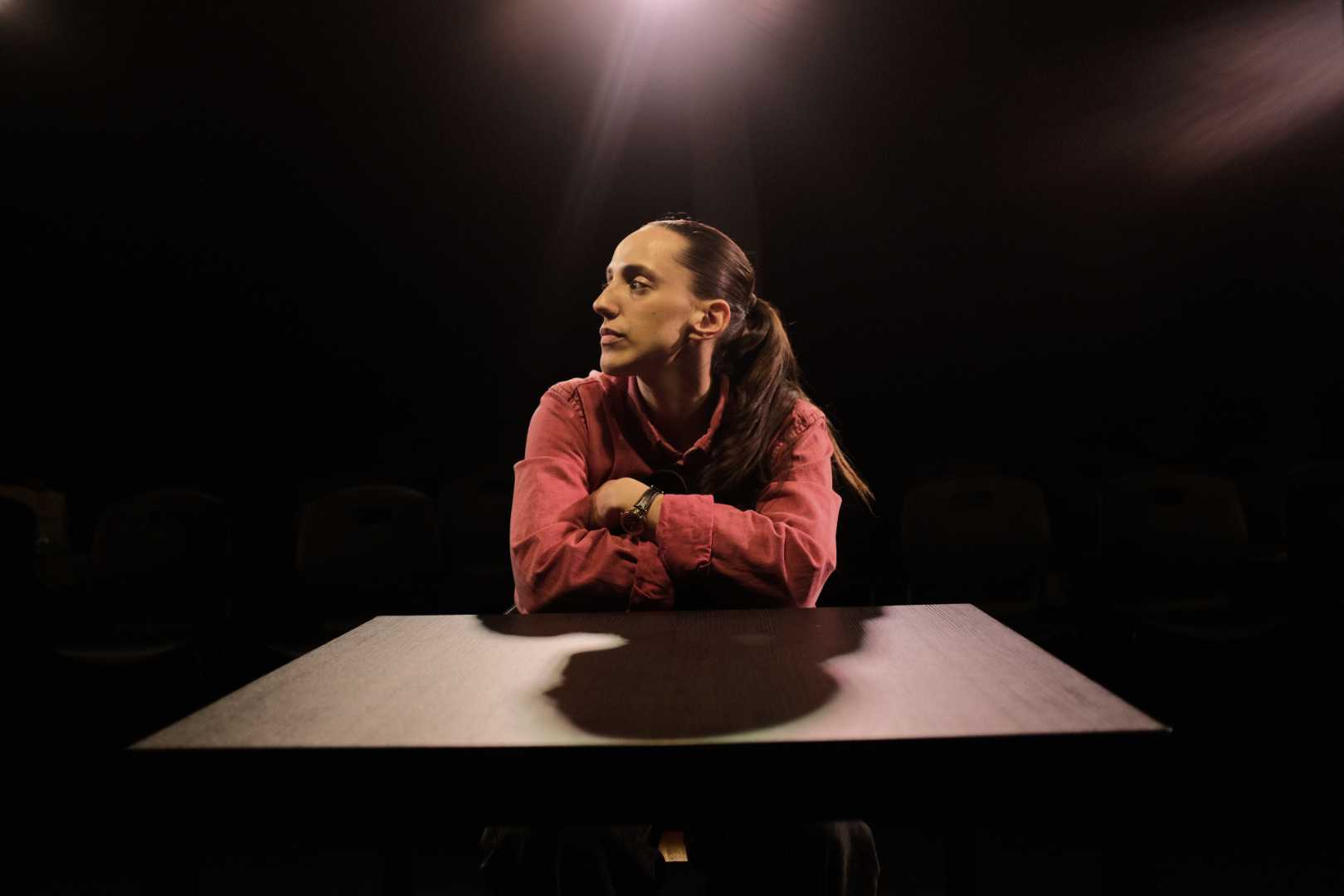
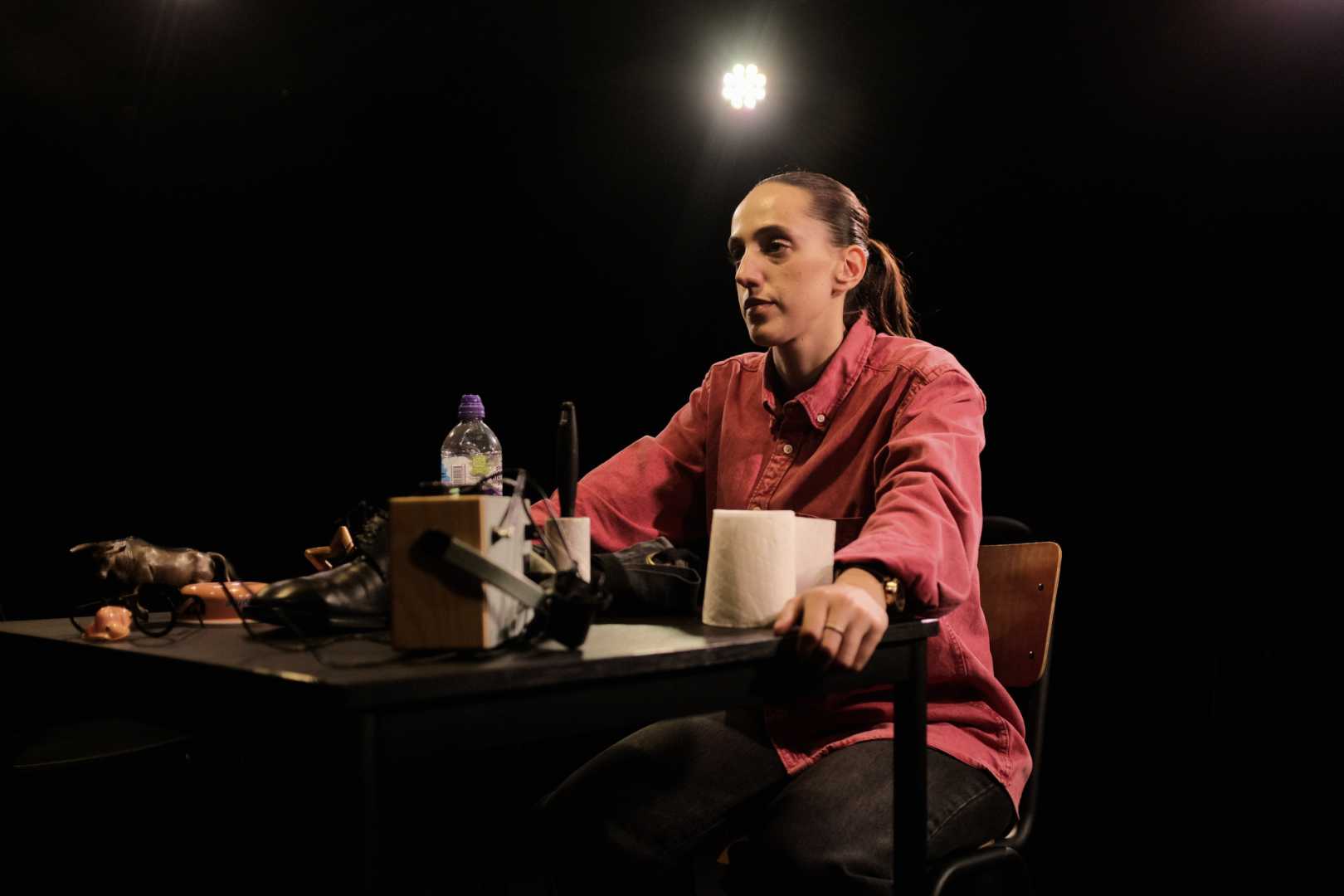
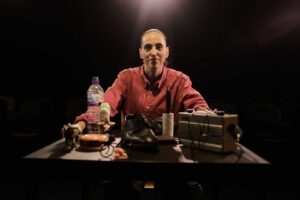
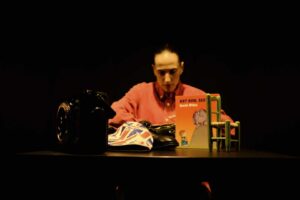
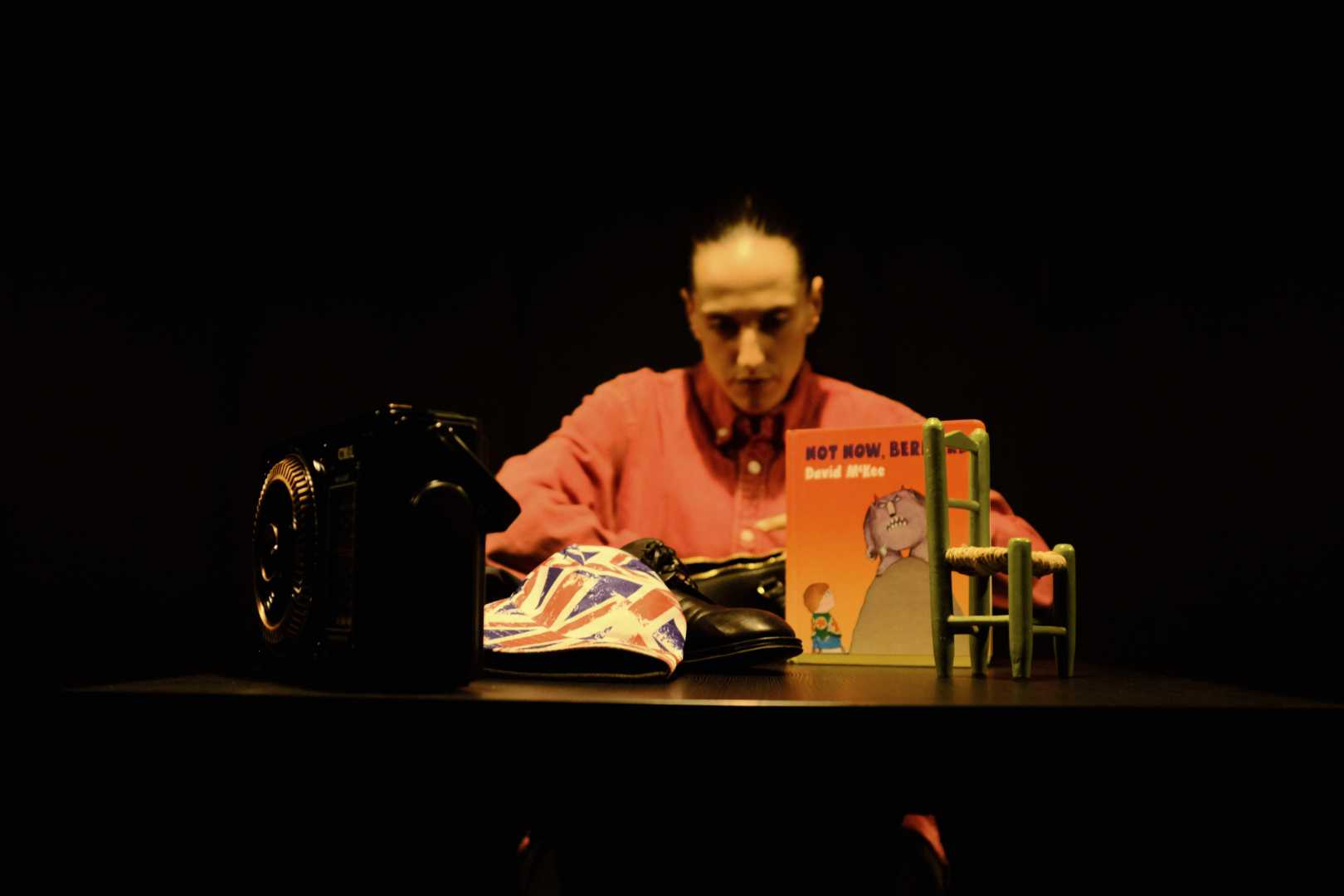
The production’s setting in Southwark Playhouse Elephant’s Participation Space suits the piece. The room is dark and pared back, with black walls, black flooring and a simple interrogation-room arrangement. Three main overhead lights frame Lucy in a contained pool of pressure, fading to black between scenes to mark time passing, or perhaps thought resetting. The staging is spare, but it does not feel underpowered. Its simplicity keeps the focus where it needs to be: on Lucy’s face, voice, body and increasingly unstable story.
One of the play’s strengths is the way it makes identity feel practical rather than abstract. Lucy is Croatian, living and working in London, and much of the comedy comes from the daily labour of translation. She knows the right phrases, corrects herself from “gas” to “petrol”, collects facts about Britain, and tries to sound as if she belongs. Customers mistake her for Spanish and say “gracias”; she replies “de nada” because correcting them would be another small emotional cost. These details are funny, but they also accumulate into something more painful.
This is where Pocket Revolution becomes most affecting. Lucy does not simply want to be British as a decorative fantasy. She wants the safety she imagines Britishness might provide. She wants to be believed, to be secure, to be paid properly, to know the rules well enough that they might finally protect her. The play understands belonging not as a warm idea, but as a survival strategy.
That becomes clearer when the story turns towards work. John, the man she may have hit, is eventually revealed as her boss. What first appears to be an accident story becomes tangled with unpaid holiday, clocked-out shifts, unsafe working conditions and the small humiliations of precarious labour. Lucy admits she stole money, but the play is careful not to flatten that admission into simple guilt. In her mind, the theft has become a distorted form of balance: money owed, interest added, justice privately calculated because proper justice seems unavailable.
The writing is particularly good at showing how exploitation can warp moral logic. Lucy is not made innocent, but she is made understandable. Her resentment has not appeared from nowhere. It has been built through low wages, withheld rights, insecure housing and a life in which every mistake feels more expensive for her than it might for someone else.
Pascha’s direction allows these shifts to gather without overloading the stage. The play remains intimate and controlled, even when Lucy’s thoughts become more chaotic. A coat hanger becomes a figure onto which she projects a romantic fantasy of John: umbrella, proper shoes, pension plans, cottage, croquet, Victoria sponge and all the symbols of a life that seems calmer, safer and more legitimate than her own. The sequence is funny, but also sad, because the fantasy is not really about romance. It is about rescue.
The humour grows stronger as the evening progresses. Early on, it can feel as if we are laughing through unease, unsure whether Lucy is comic, frightened, guilty or simply desperate to be liked. Later, the comedy becomes more confident because the character’s contradictions become clearer. Her jokes stop feeling like scattered nervous energy and begin to feel like a method of survival. That gradual strengthening works in the play’s favour.
The running time feels right. For a single performer in a largely static setting, 70 minutes is enough to build pressure without overstretching the form. There are moments when the writing circles its central ideas more than once, particularly around Britishness and self-invention, but the repetition is not fatal. Lucy is not delivering an argument. She is spiralling, correcting herself, trying out versions of a story that might save her.
The most powerful moment comes near the end, when Lucy’s desire to belong hardens into something closer to self-erasure. After the citizenship-test reveal, she practises difficult English sounds, rehearsing the shape of a language she believes she must master. Then comes the line that gives the play its deepest wound: “Don’t call me Lucija. My name is Lucy.”
That moment is quietly devastating. It feels less like confidence than surrender. Her name is not a minor detail. It is memory, origin, family and selfhood. In rejecting Lucija, she appears to give up a piece of herself in the hope of becoming acceptable to others. The play’s concern with Britishness then becomes something more troubling than aspiration. It becomes the gradual loss of identity under pressure.
Pocket Revolution is strongest when it trusts that emotional truth. Its portrait of migration is not sentimental, and its comedy never entirely softens the darker material beneath it. It shows a woman trying to fit into a country, a workplace, a language and a story that keep reshaping her until she is no longer sure where the performance ends.
Anchored by Kliček’s controlled and sympathetic performance, this is a sharp, intimate and emotionally intelligent piece of new writing. It may take a little time to reveal its full force, but once it does, Pocket Revolution leaves a lingering ache: the sadness of watching someone trade their name for the promise of belonging.
Meet the Company
Tisa Kliček
WRITER | PLAYS LUCY/LUCIJA
Tisa Kliček is a Croatian actress and theatre-maker based in London. She began acting with INK – Istrian National Theatre, performing and touring across Croatia, before training in Touring Theatre and completing an MA in Acting at East 15 Acting School. Her work is rooted in comedy, physicality and memory, exploring how the places we come from continue to shape identity, humour and imagination.

Olive Pascha
DIRECTOR
Olive Pascha is an award-winning artist, writer and director working across theatre, film and photography. Her practice often explores everyday relationships, overlooked spaces and the small moments through which people reveal themselves. For Pocket Revolution, she directs Tisa Kliček’s interrogation-room monologue with a focus on tension, humour and psychological detail.
Orphée Kashala
PRODUCER
Orphée Kashala is a curator and producer working across contemporary art and performance. His practice explores migration, cultural identity, visual culture and postcolonial thought, with previous work across arts organisations and performance contexts. For Pocket Revolution, he brings a producer’s eye to a piece concerned with belonging, pressure and the stories people tell to survive.

Vera Ugarova
PRODUCTION MANAGER
Vera Ugarova is a London-based arts administrator, translator and event professional. She trained in Arts Administration and Cultural Policy at Goldsmiths, University of London, and in Events Management with Drama and Theatre Studies at Moscow Art Theatre School. For Pocket Revolution, she supports the production as production manager.
Cast & Creatives
- Showing: 25th – 26th June 2026
- Venue: Southwark Playhouse Elephant, Participation Space, 1 Dante Place, London SE11 4RX
- Buy Tickets: https://southwarkplayhouse.co.uk/productions/pocket-revolution/
- Writer & Performer: Tisa Kliček
- Director: Olive Pascha
- Assistant Director: Mahya Rostami
- Producer: Orphée Kashala
- Production Manager: Vera Ugarova
- Lighting Designer: Joe Pilling
- Stage Manager: Franziska Szinovatz
- Running Time: 70 minutes, no interval
- Recommended Age: 12+
- Production Photography: coming soon
- Cast:
A Sharp, Darkly Comic Study of Belonging and Self-Erasure
Summary
A sharp, darkly comic one-woman play that grows in emotional force, turning an interrogation-room confession into a quietly bruising study of migration, exploitation, belonging and self-erasure.


Add comment