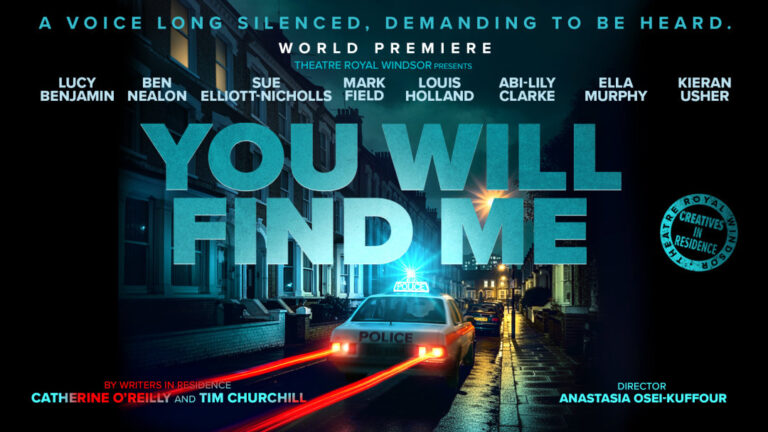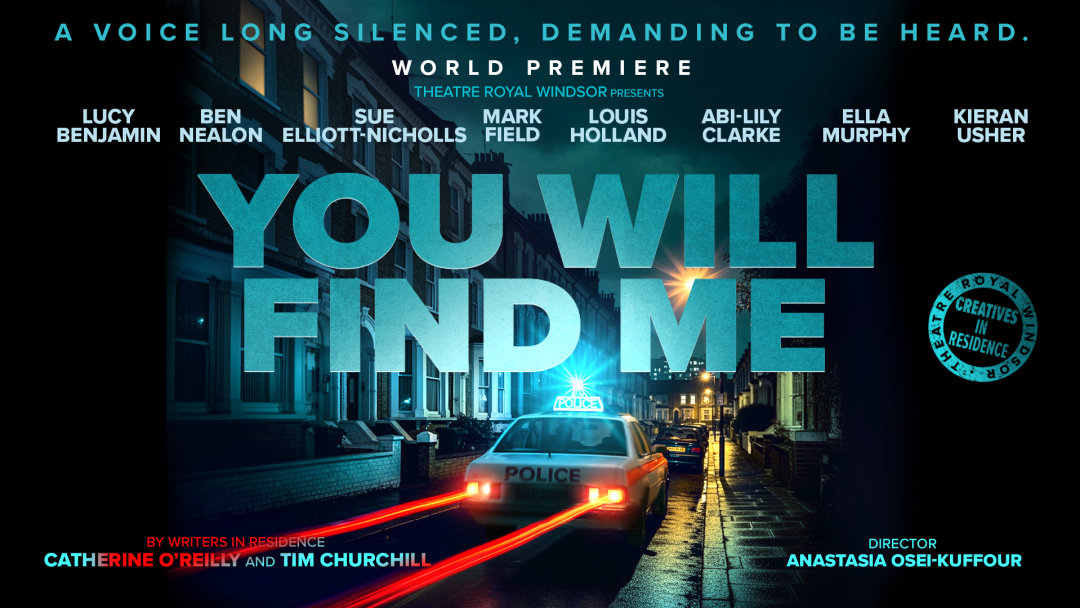
There is something fitting about watching You Will Find Me at Theatre Royal Windsor, where the building’s historic atmosphere already seems to gather around the stage before the play itself even begins. Beneath the auditorium’s traditional elegance, the production unfolds like a buried memory slowly forcing its way back into the light.
Set between the present day and 1981, the play follows teenager Joe Evans and his mother Maggie after they move temporarily into a tired Hackney flat beside a building undergoing renovation work. When human remains are discovered next door, Joe uncovers the diary of missing teenager Lizzie Slater, whose disappearance haunted the area decades earlier. What initially appears to be a cold-case whodunnit slowly unfolds into a story about buried trauma, memory, reinvention and the long shadows cast by domestic violence.
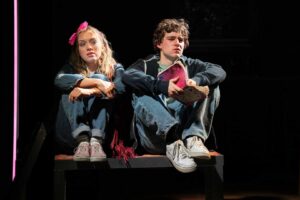
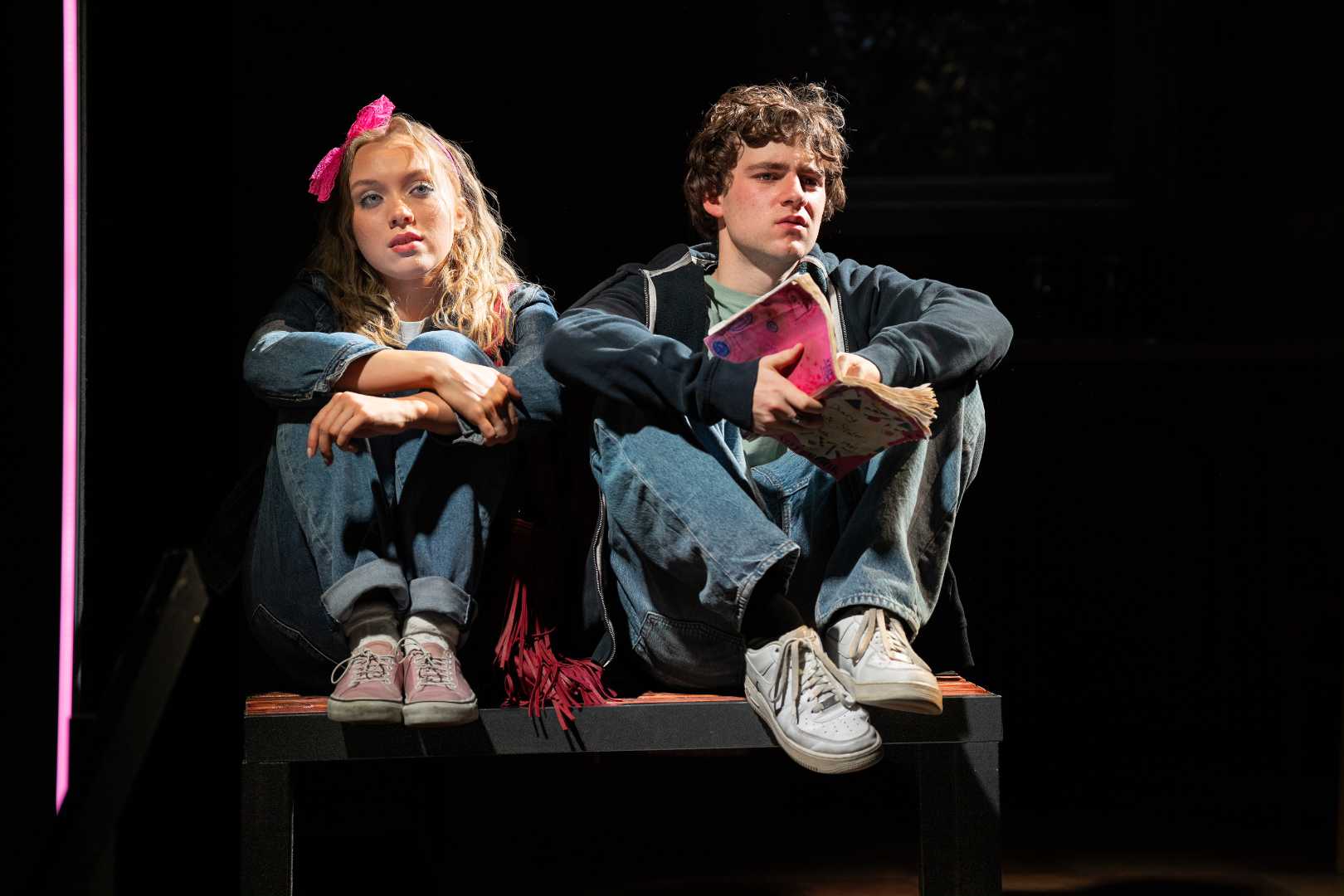
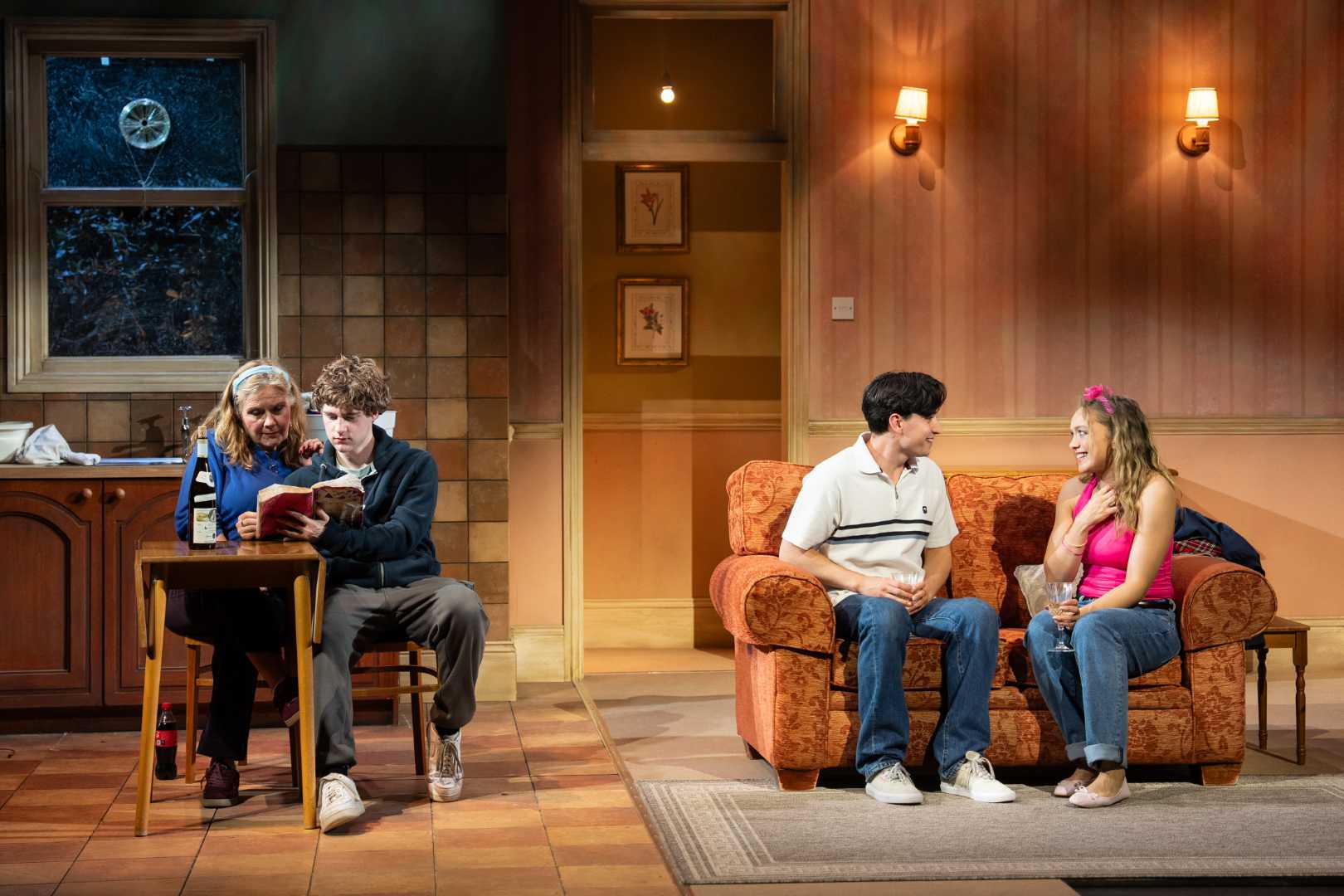
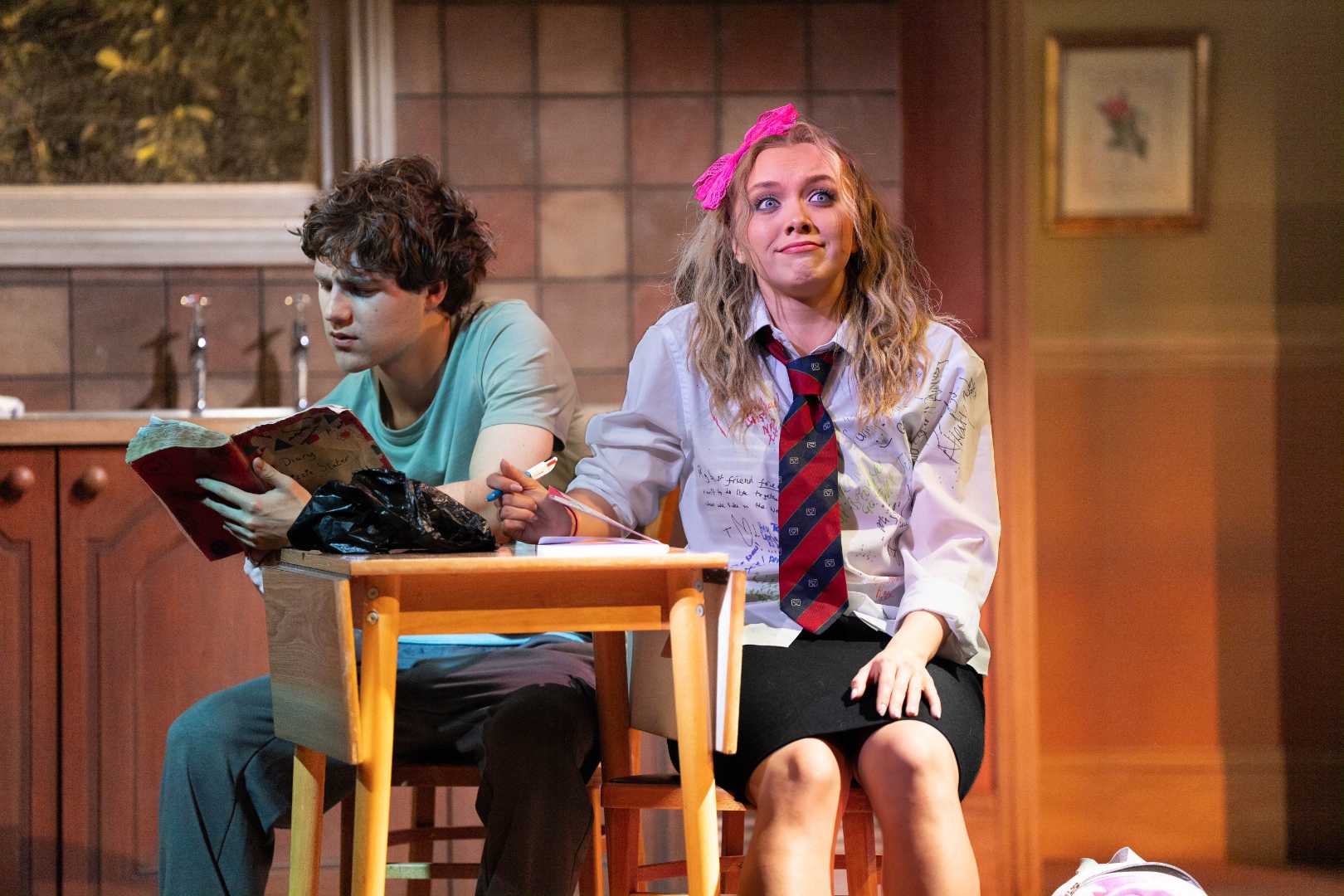
The structure is one of the production’s greatest strengths. As Joe reads Lizzie’s diary, the past is not simply described to the audience; it is brought physically into the room. Louis Holland’s Joe uncovers the words in the present while Abi-Lily Clarke appears as the teenage Lizzie Slater in 1981, speaking and living the memories he is reading. At times, the world around Lizzie expands, with her friend Tina, Gary Fletcher and Lizzie’s father entering the frame so that two periods occupy the stage simultaneously. The diary becomes less a prop than a doorway. Scenes overlap across decades, allowing memory to exist alongside the present rather than behind it.
By the interval, the play had fully become a shared whodunnit in the auditorium. People around me were discussing theories, asking who I thought might have killed the woman discovered next door and trying to piece together the clues. Conversations continued in the bar and between seats, with audience members testing possibilities against one another. I had formed a possible ending myself, only for the play’s final revelation to quietly evade me entirely. That collective uncertainty gave the evening real energy. The audience were not simply watching the mystery unfold; they were actively trying to solve it, and the play was confident enough to let them lean into the wrong assumptions.
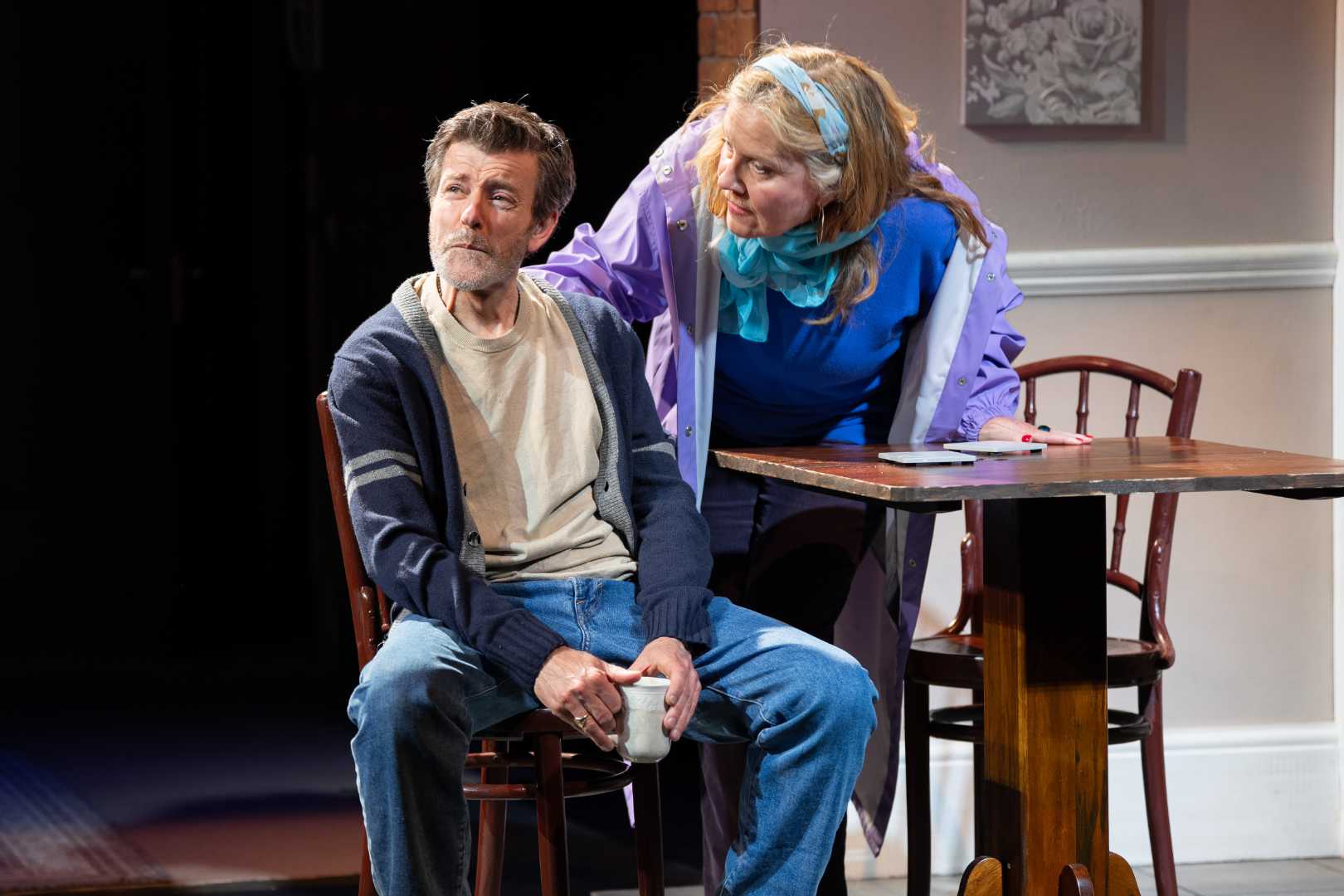
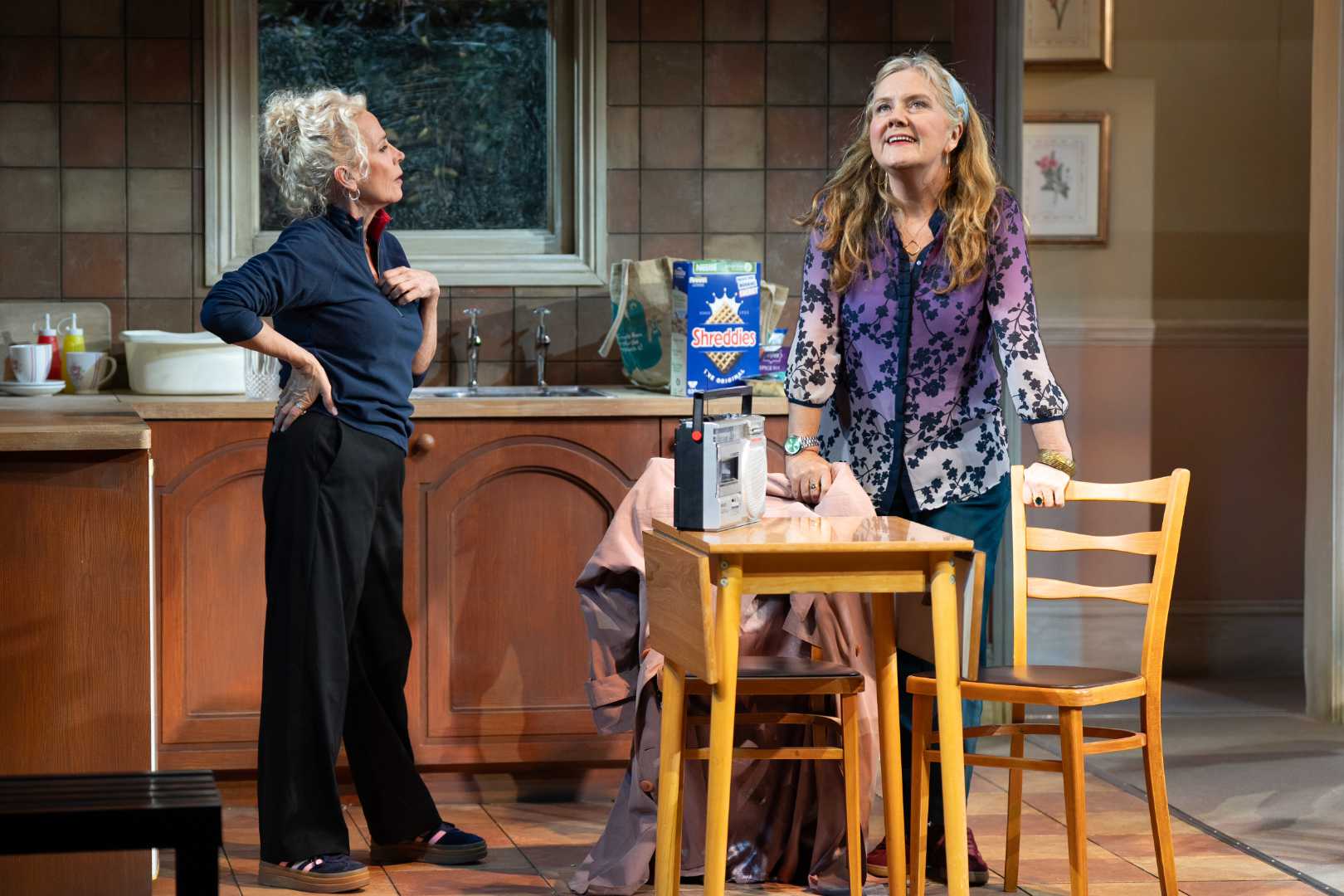
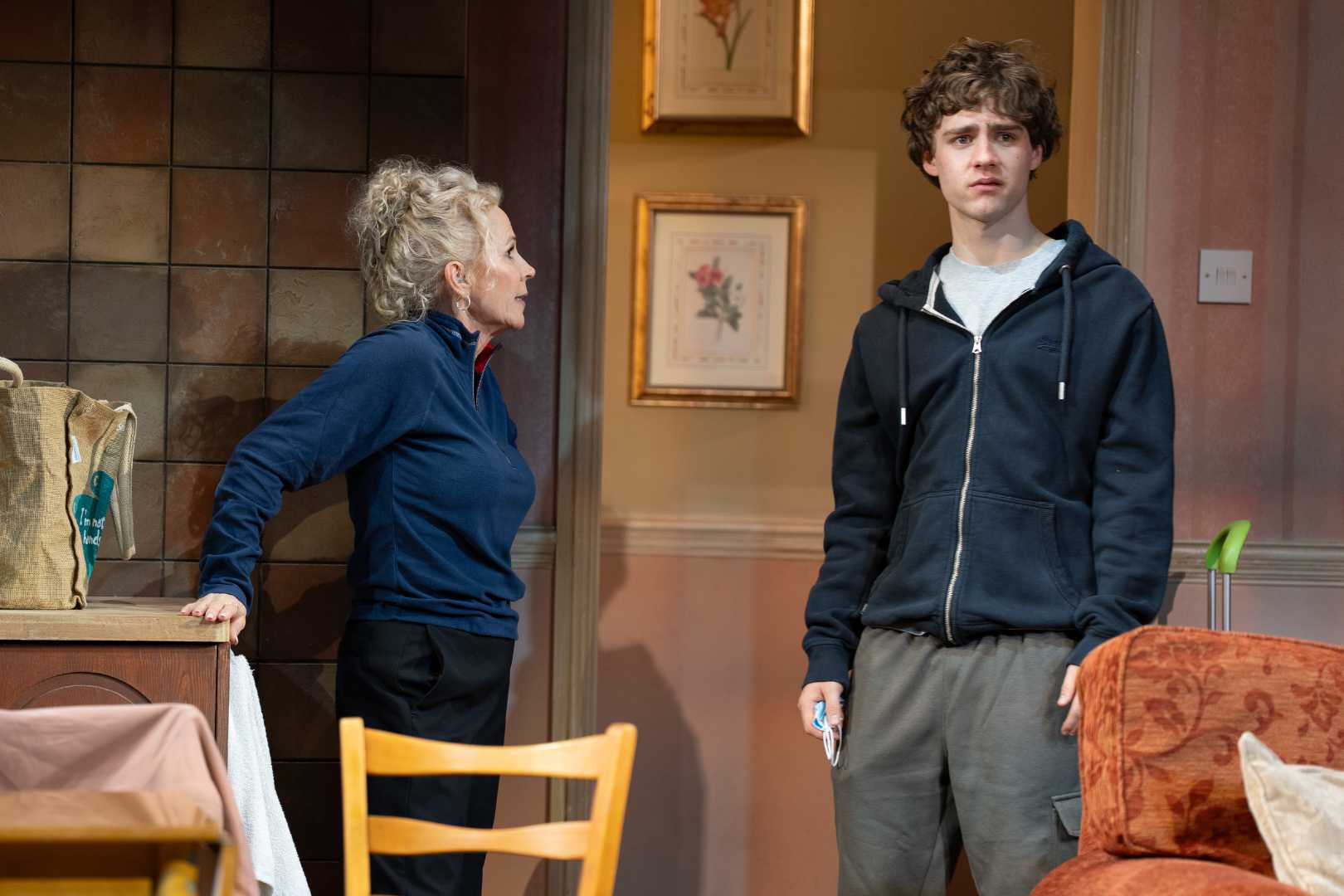
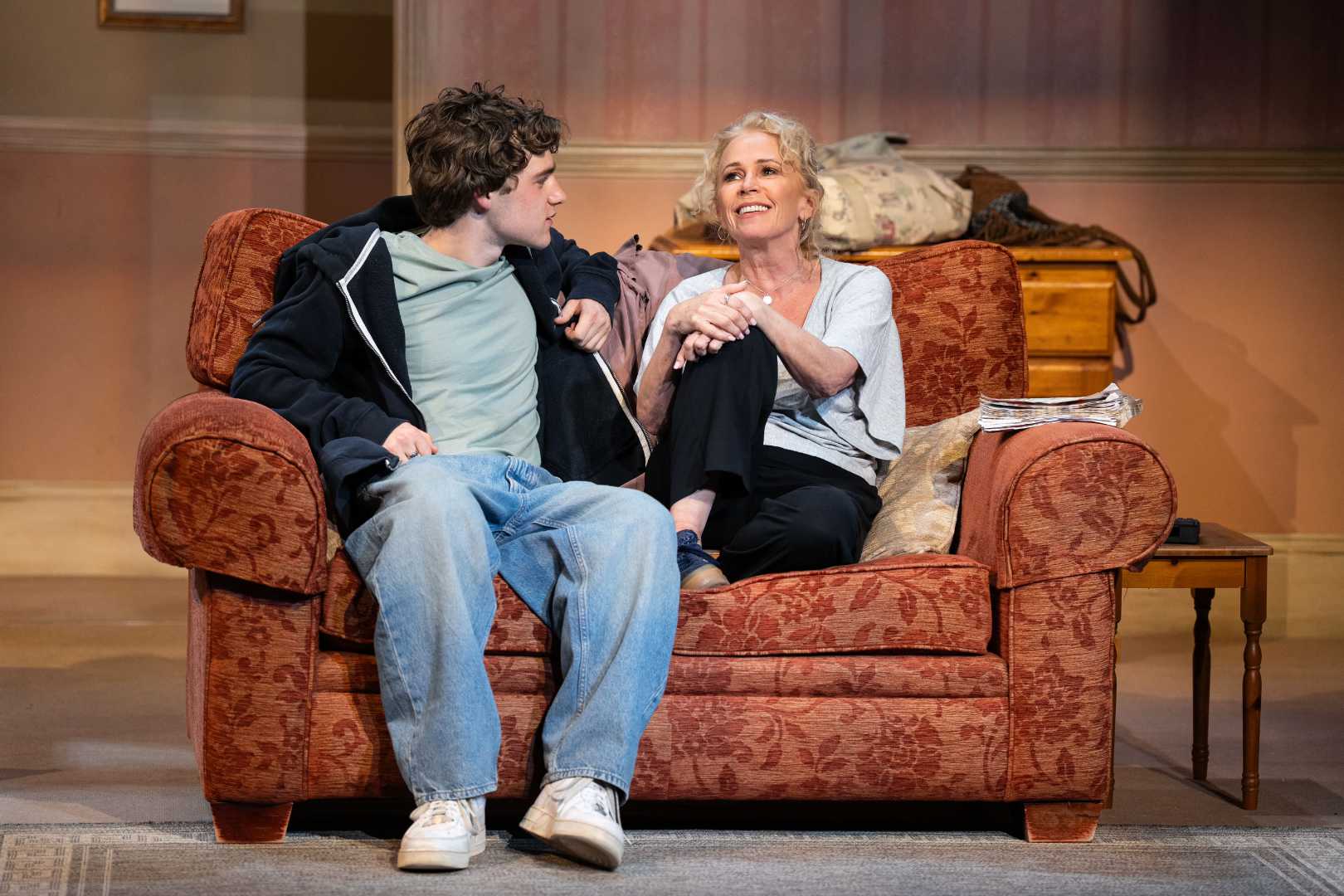
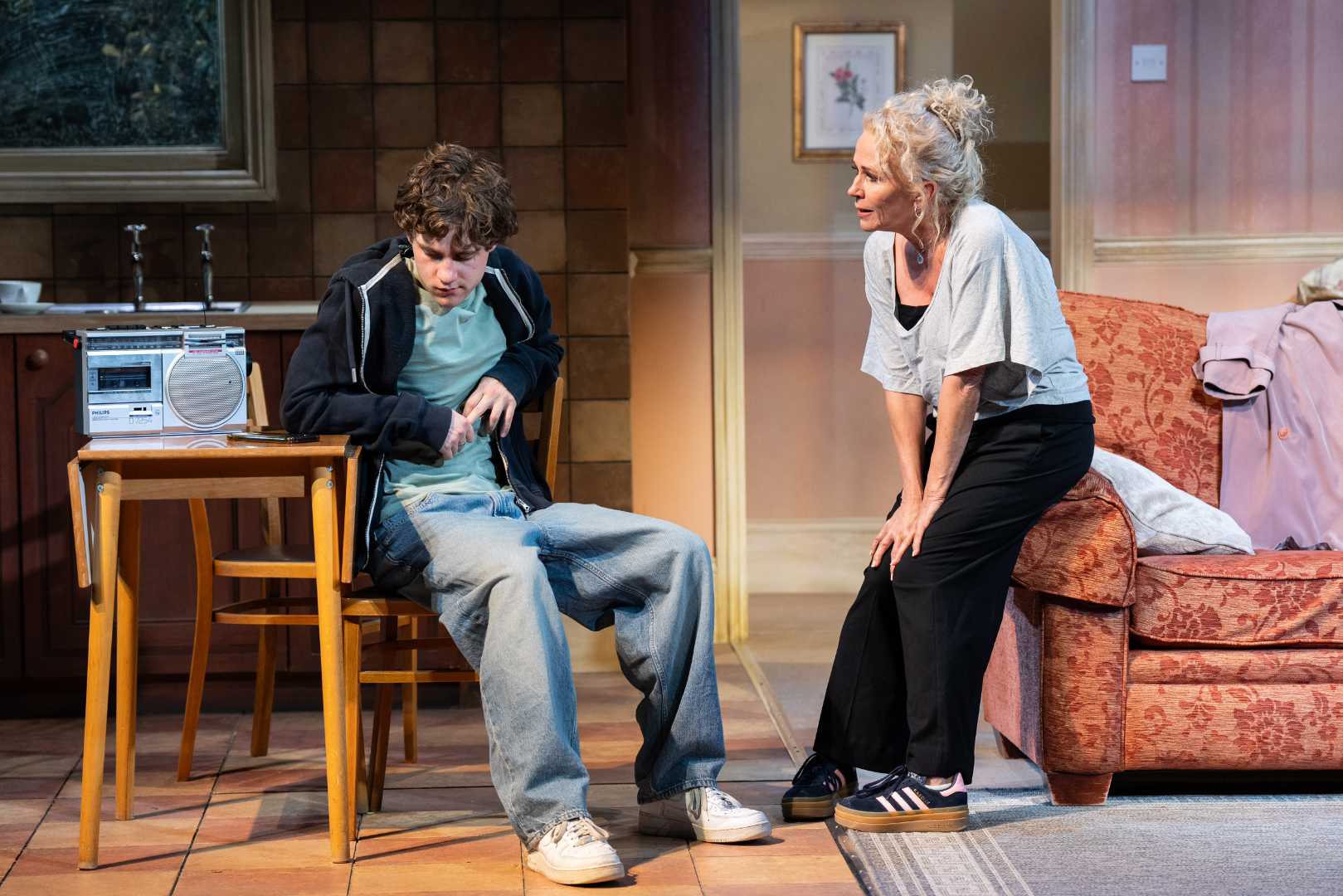
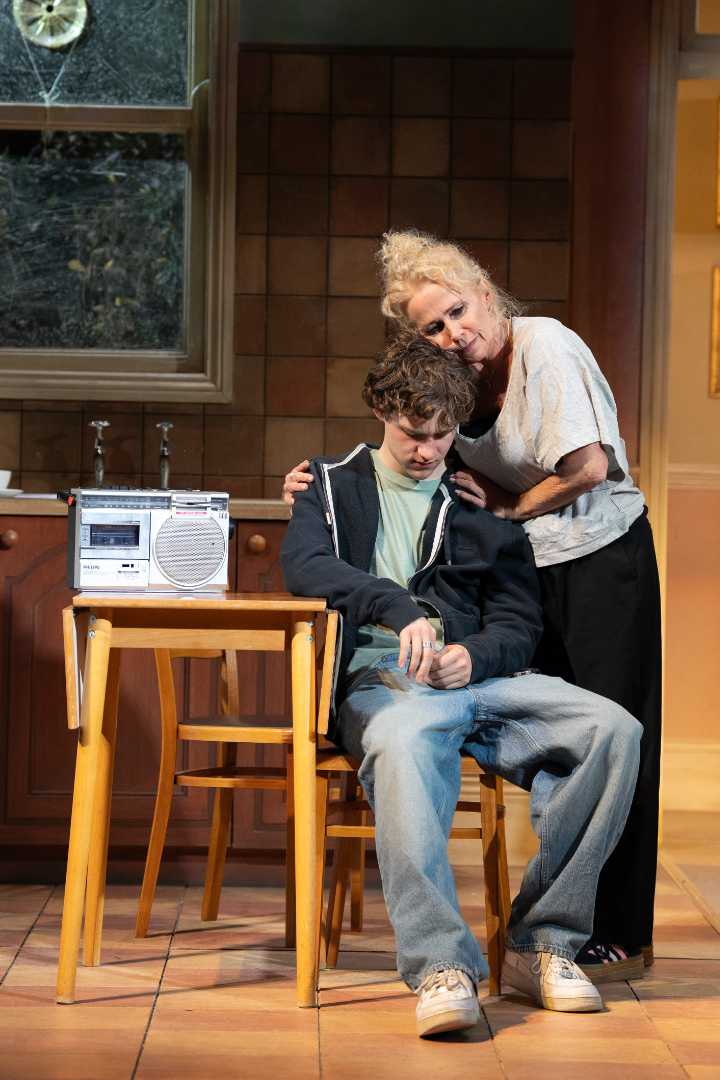
Lucy Benjamin gives the evening its emotional centre as Maggie Trimble. Benjamin plays the role with warmth, nervous humour and a carefully guarded interiority that gradually reveals itself scene by scene. What could easily have become a twist-dependent performance instead feels fully inhabited from the beginning. There are moments where Benjamin says very little, yet communicates entire histories through hesitation, silence or the slightest tightening of expression. By the closing scenes, the performance acquires a heartbreaking weight.
Louis Holland brings sincerity and emotional clarity to Joe Evans, whose curiosity and growing obsession with the diary drive much of the narrative. Holland avoids turning Joe into a conventional thriller protagonist. Instead, he keeps the character grounded in confusion, loneliness and genuine emotional need, which makes the investigation feel personal rather than procedural. His interactions with the diary sequences are particularly effective because he never overplays the reactions; he allows the audience to discover the truth alongside him.
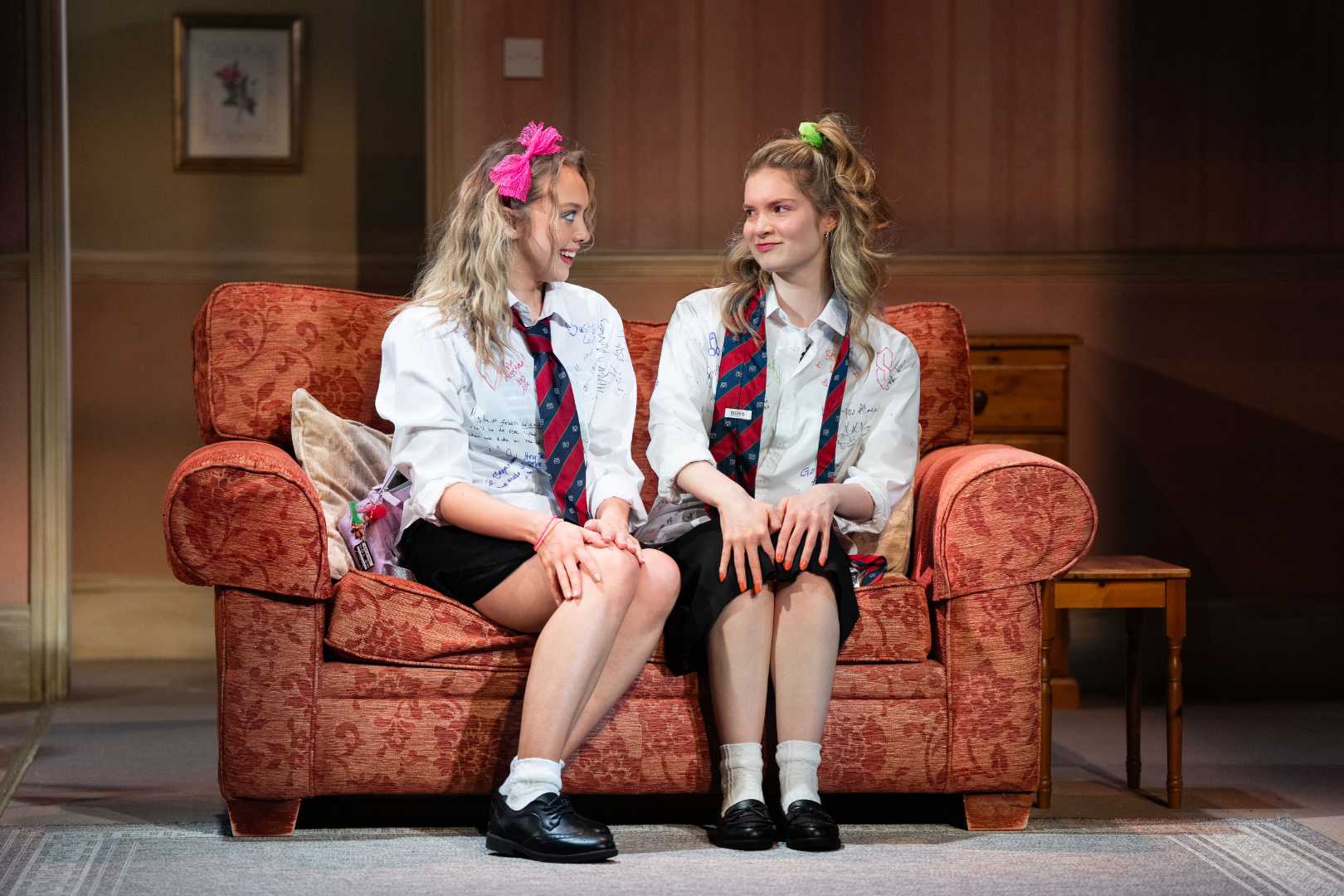
Abi-Lily Clarke gives Lizzie Slater a restless intelligence and yearning optimism that makes her emotionally compelling long before the full truth emerges. Clarke captures the awkward excitement of adolescence while quietly revealing the fear and instability lurking beneath Lizzie’s home life. Her scenes with Ella Murphy as Tina carry genuine warmth and humour, giving the 1981 sequences real texture and preventing the production from becoming emotionally oppressive. Murphy brings sharp comic timing and believable teenage bravado to Tina, while also allowing flashes of vulnerability beneath the surface.
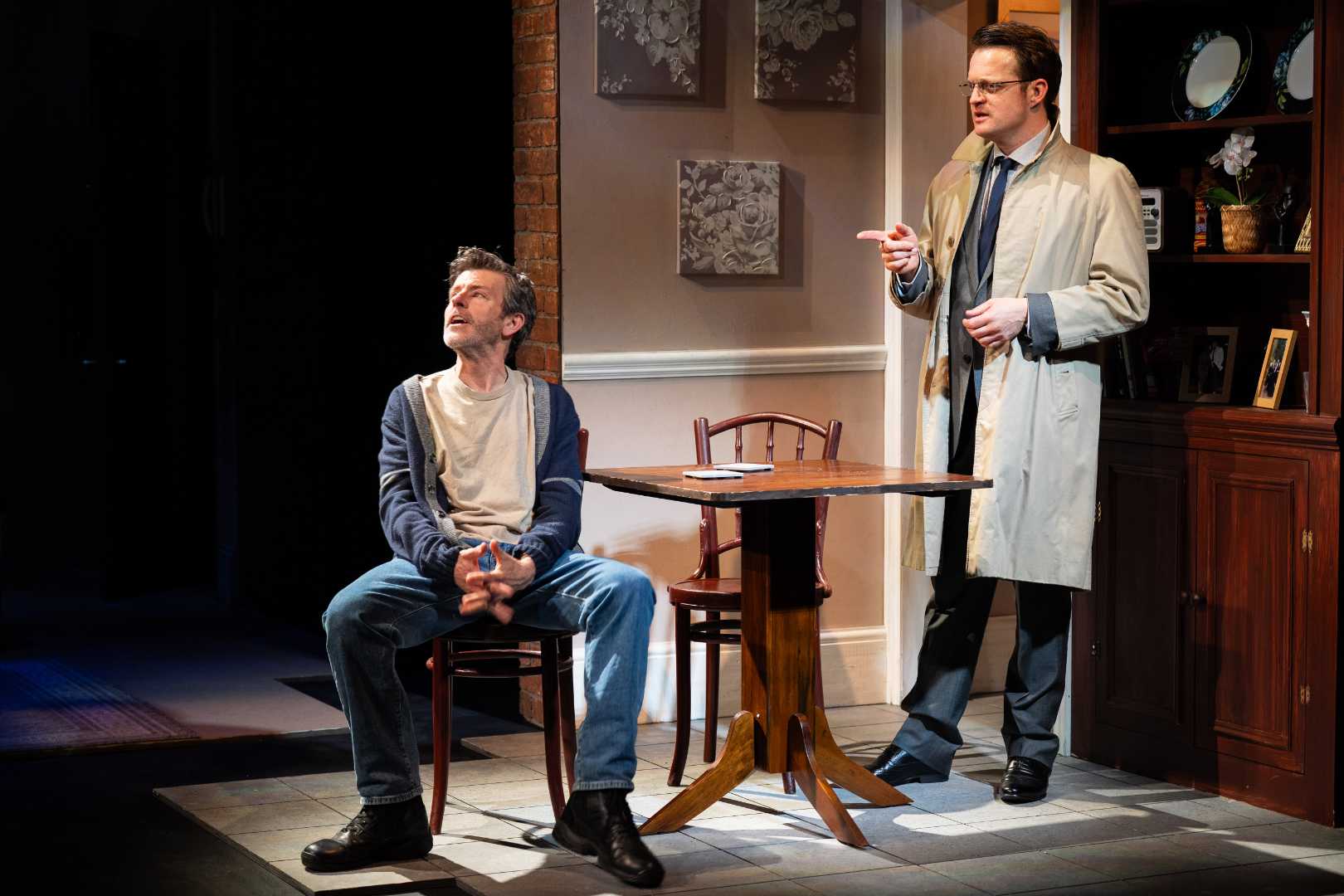
Ben Nealon is particularly strong as Terry Barker, a man who has spent decades carrying the burden of suspicion. Nealon avoids caricature completely. Terry initially appears abrasive, defensive and volatile, yet the performance gradually reveals exhaustion and pain beneath the anger. As the truth emerges, Nealon allows the audience to feel the damage done to someone trapped for years beneath public assumption and whispered accusation.
Kieran Usher gives Gary Fletcher an easy charm that suits the nostalgic texture of the diary scenes, while Sue Elliott-Nicholls adds intrigue and emotional texture as Christine Pearce, who initially appears eccentric before gradually becoming more significant within the wider story.
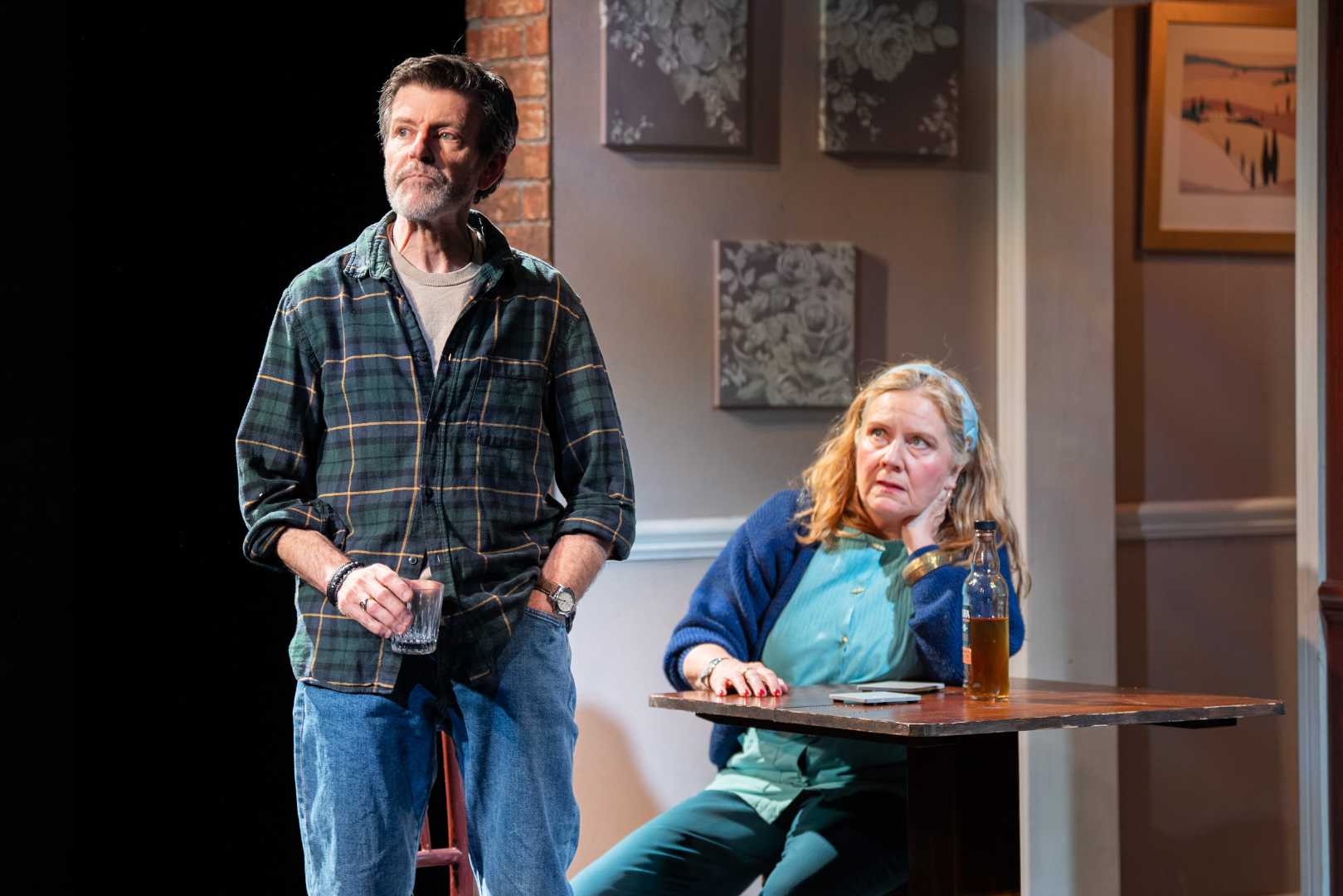
Mark Field is excellent in the dual role of Lizzie’s father and DCI Graham Richards. As the investigating officer, he brings a calm procedural authority that initially seems reassuring, which makes the doubling increasingly uncomfortable as the play progresses. His performance as Lizzie’s father is especially strong. Field captures the instability of a man collapsing under alcoholism, shame and self-loathing without reducing him to a simple monster. In quieter moments, there are flashes of exhaustion and regret that briefly invite sympathy before the violence erupts again. At one point he refers to himself as a monster, and the performance plants just enough darkness beneath the character that the audience begins imagining horrors beyond what has yet been revealed. That uncertainty feeds directly into the production’s atmosphere of suspicion and fear.
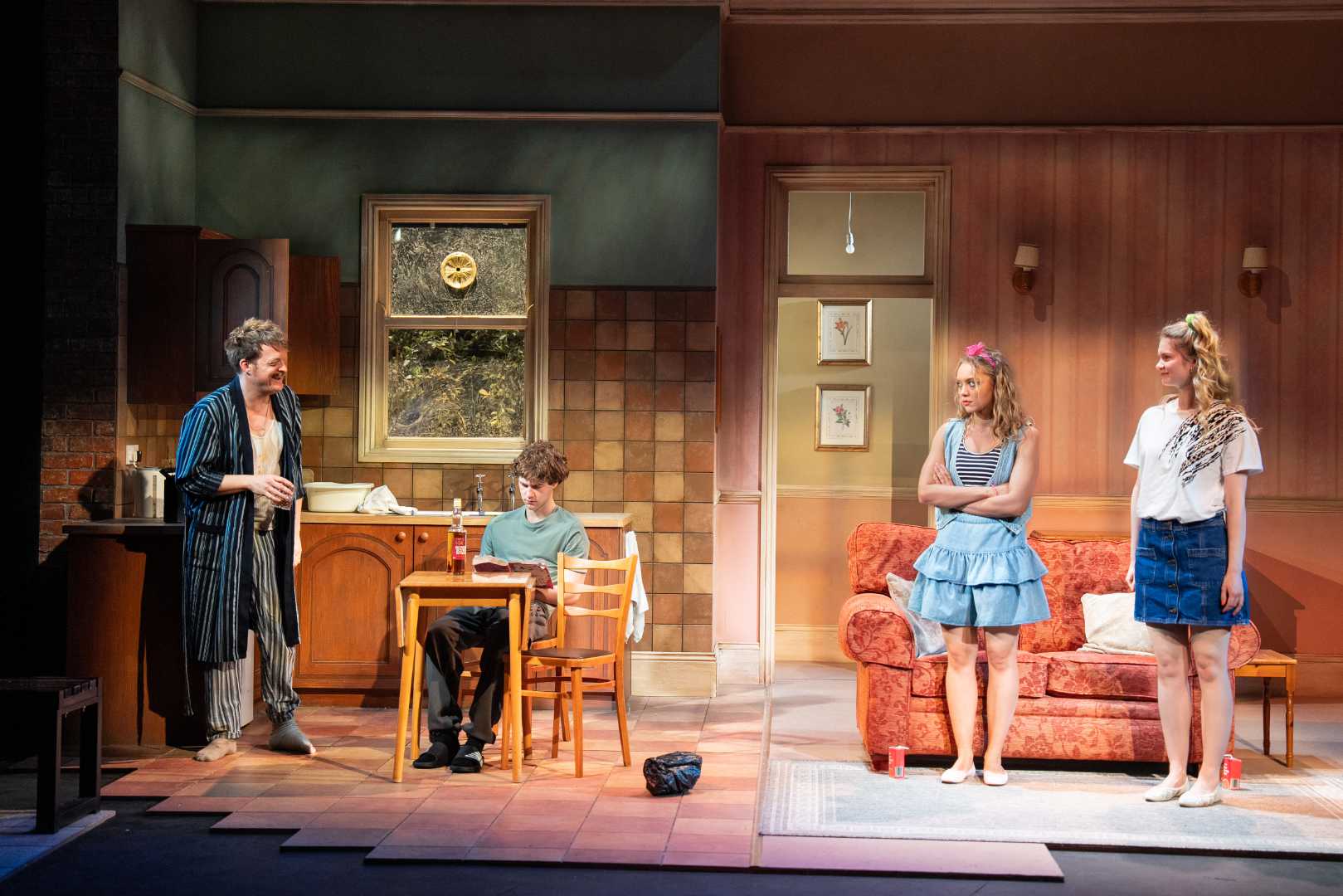
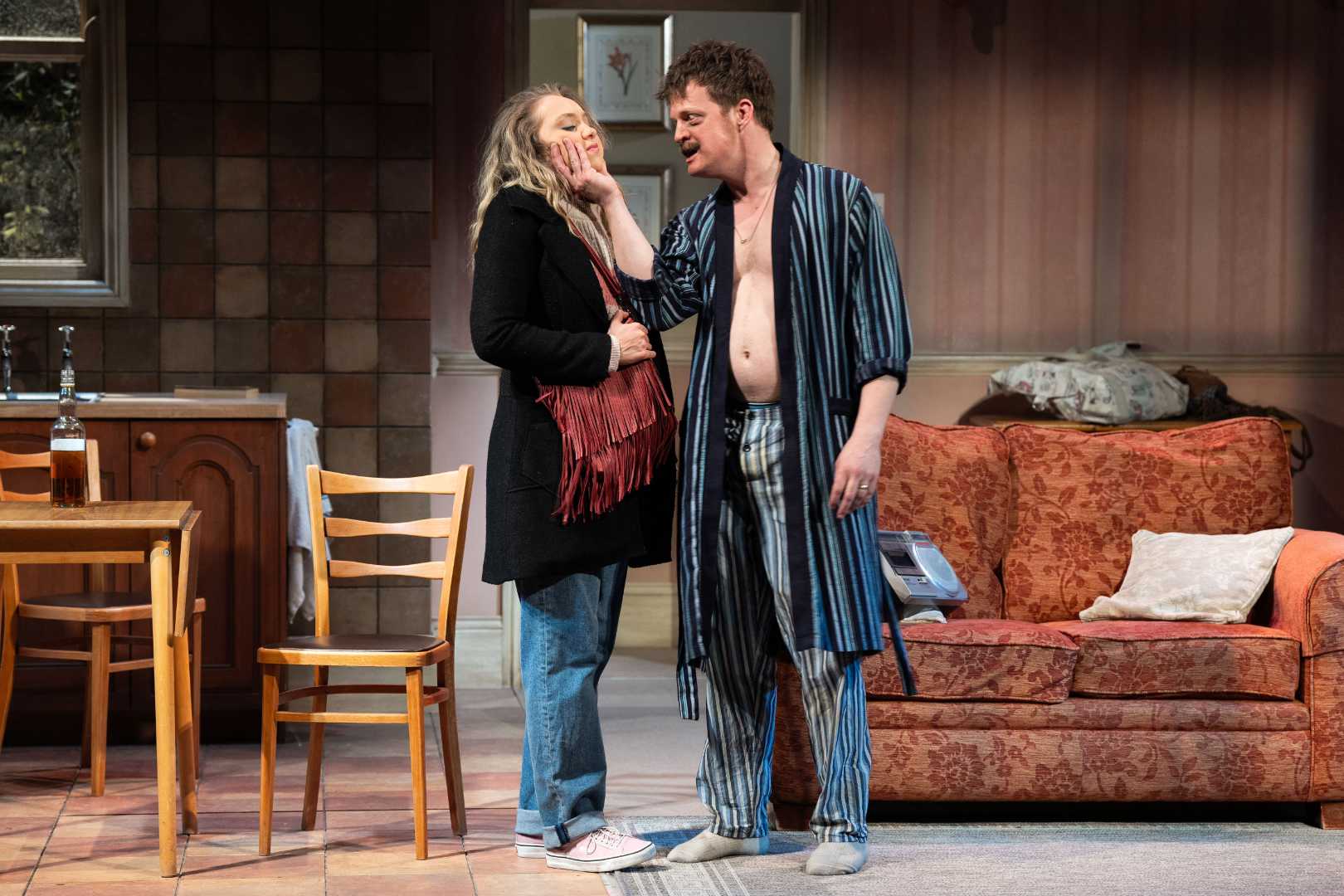
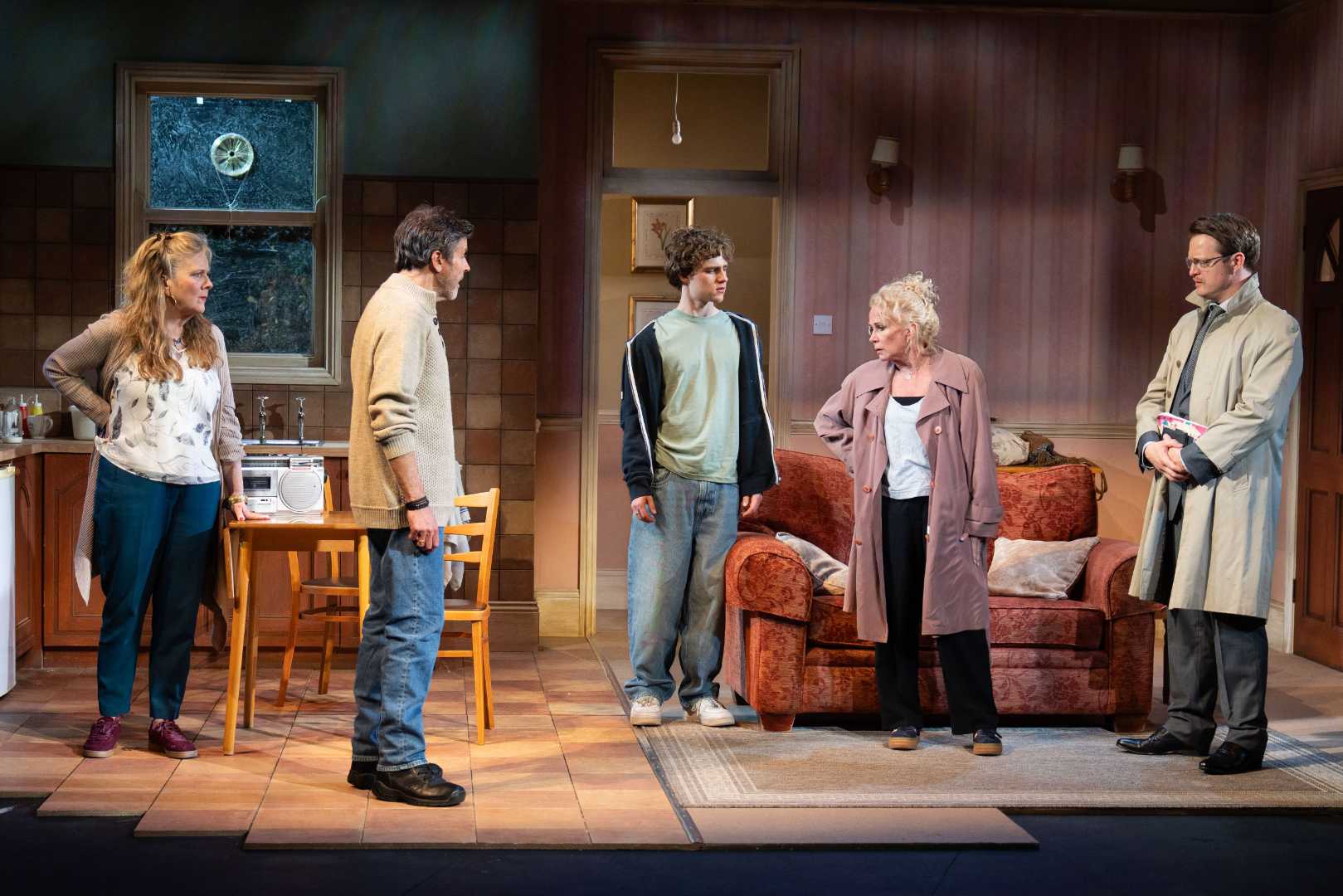
The production also benefits from a strong physical design. The flat feels practical and lived-in rather than stylised, with three working doors used constantly by the actors to create movement, tension and shifting emotional dynamics. In a play so concerned with hidden histories and concealed truths, the repeated use of entrances and exits becomes quietly symbolic. The lighting design is equally effective. Several fades to black land with real force, allowing moments of fear, revelation or emotional pressure to linger briefly in darkness before the next scene begins. In a story built around fragments of memory and half-buried truths, those blackouts feel less like scene changes and more like the past closing itself around the present.
One of the production’s strongest achievements is the way it examines how narratives become fixed over time. The play repeatedly questions who society chooses to believe, who gets forgotten and how easily entire lives can be reduced to rumour. The references to To Kill a Mockingbird are woven thoughtfully through the drama, echoing ideas of empathy, judgement and perspective without ever feeling heavy-handed.
Directorally, the production understands restraint. The mystery elements are allowed to breathe without collapsing into melodrama, while the emotional revelations are handled with enough confidence to avoid overstating them. The final twist does not simply exist for shock value; it recontextualises the entire evening emotionally. In retrospect, the title itself becomes quietly devastating.
You Will Find Me succeeds because it first hooks the audience as a mystery, then deepens into something far more humane and emotionally resonant. The whodunnit keeps people talking at the interval. The ending leaves them reconsidering why they were so ready to suspect the wrong people in the first place.
Production photos coming soon
Cast & Creatives
- Showing: 6th – 16th May 2026
- Venue: Theatre Royal Windsor, 32 Thames Street, Windsor SL4 1PS - https://theatreroyalwindsor.co.uk/
- Writers: Catherine O’Reilly and Tim Churchill
- Director: Anastasia Osei-Kuffour
- Set Design and Construction: Mark Mortimer
- Lighting Designer: Jack Hathaway
- Sound Design: Adrian Shepherd-Gawinski
- Production Photography: To confirm
- Cast:
Louis Holland as Joe Evans
Abi-Lily Clarke as Lizzie Slater
Ben Nealon as Terry Barker
Ella Murphy as Tina
Kieran Usher as Gary Fletcher
Sue Elliott-Nicholls as Christine Pearce
Mark Field as Lizzie’s Father / DCI Graham Richards
A gripping mystery with real emotional depth
Summary
A beautifully acted and cleverly structured production that begins as a whodunnit before deepening into a moving story of memory, trauma and buried truth.


Add comment