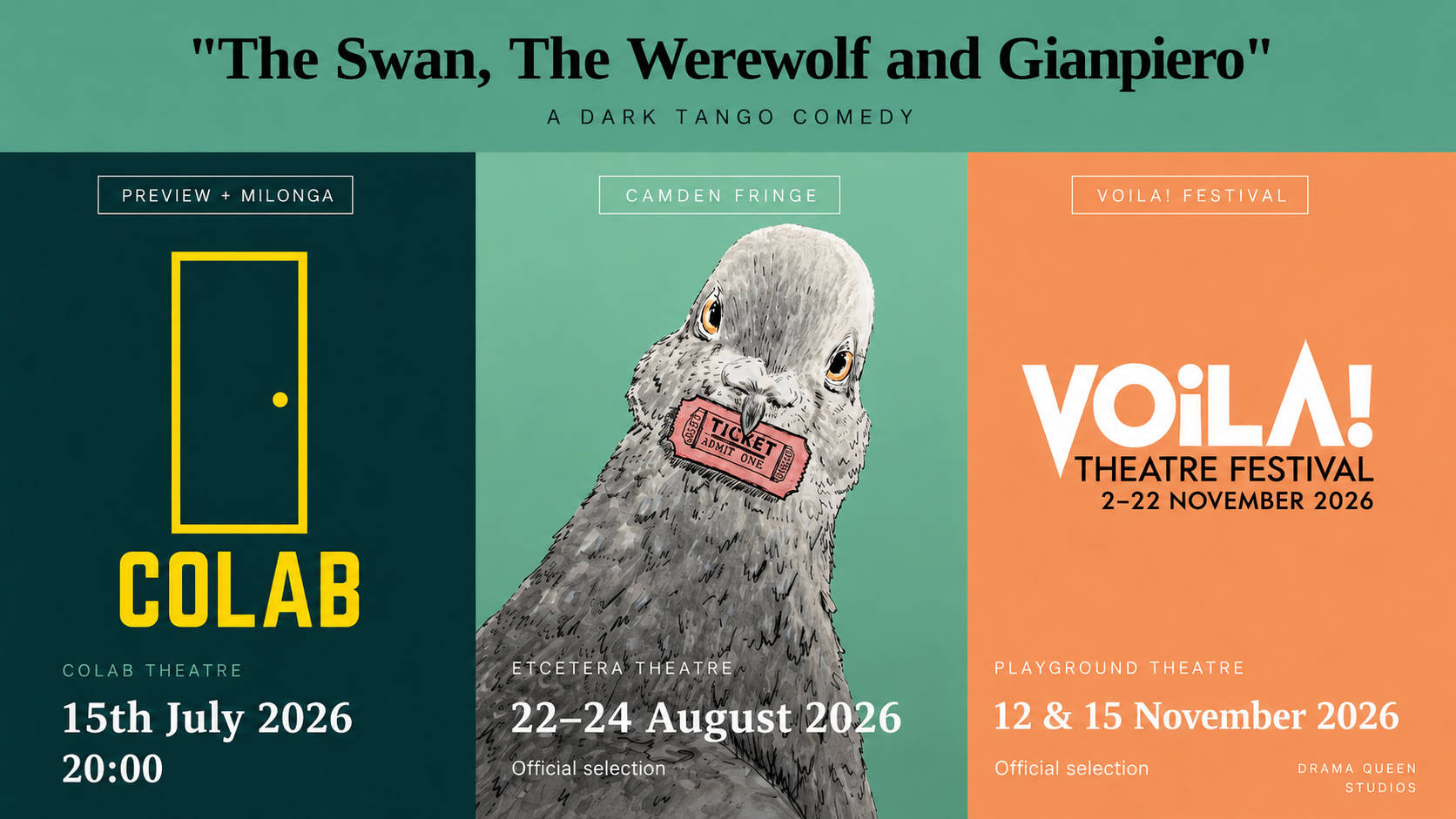
A backstage breakup is inconvenient. A backstage breakup five minutes before a tango performance is combustible. In The Swan, The Werewolf and Gianpiero, that private crisis is dragged into the spotlight by a magnificently deluded director, who turns real jealousy into a play within a play and confidently declares the resulting chaos his theatrical masterpiece.
Written and produced by Agata Nielsen, The Swan, The Werewolf and Gianpiero is a dark, physical and deliberately unruly comedy that tangles romantic jealousy, artistic vanity and Argentine tango into fifty breathless minutes. Its most effective trick is not merely breaking the fourth wall, but making the audience uncertain whether the wall was ever there in the first place.
The trouble begins backstage, where tango partners Roxana and Mateo are preparing to perform while their relationship collapses around them. Roxana believes Mateo has been unfaithful and intends to replace him with another dancer, Juan. Mateo responds with a combustible mixture of denial, injured pride and anger. There is no time to resolve anything, however, because the music is starting and they must dance.
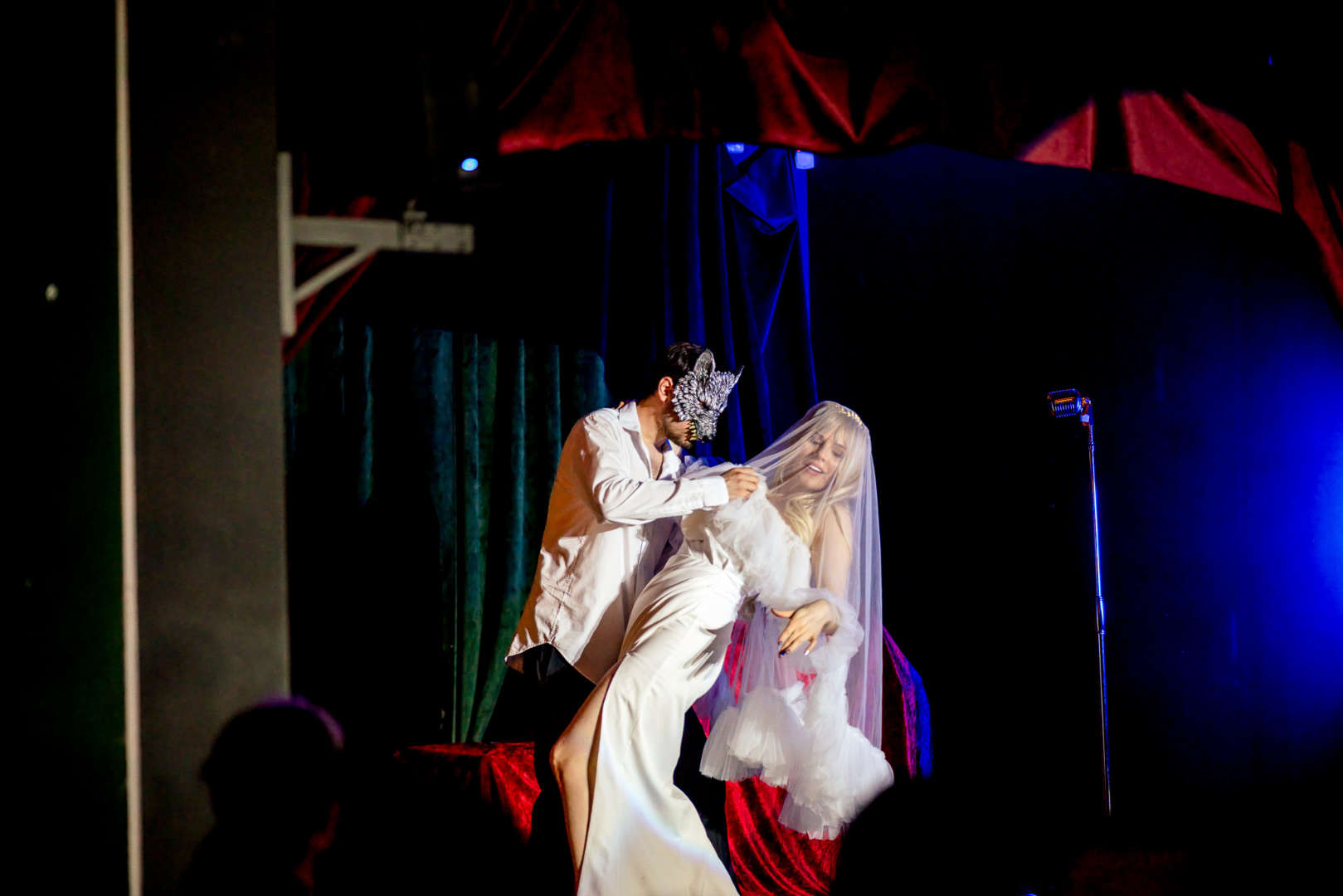
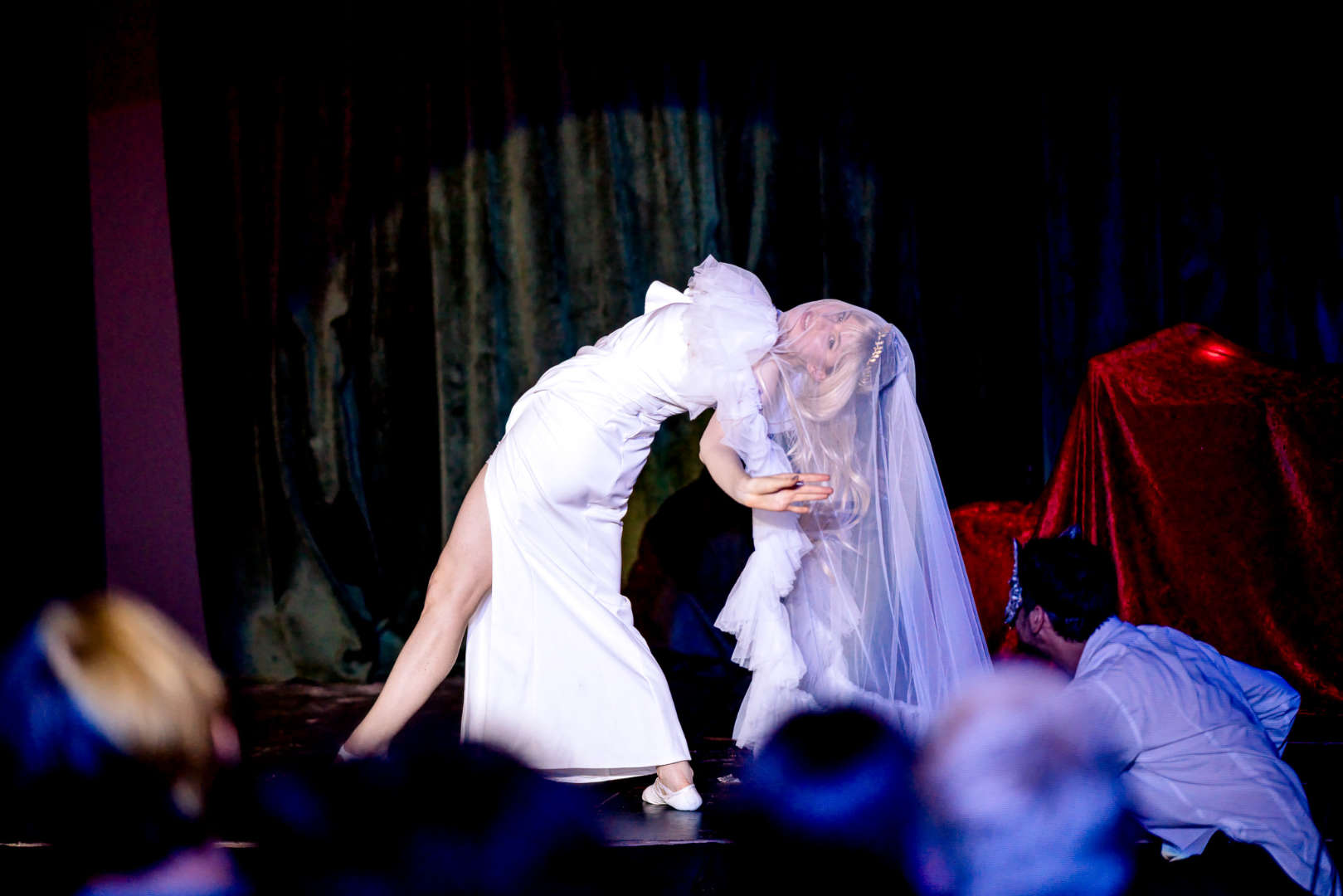
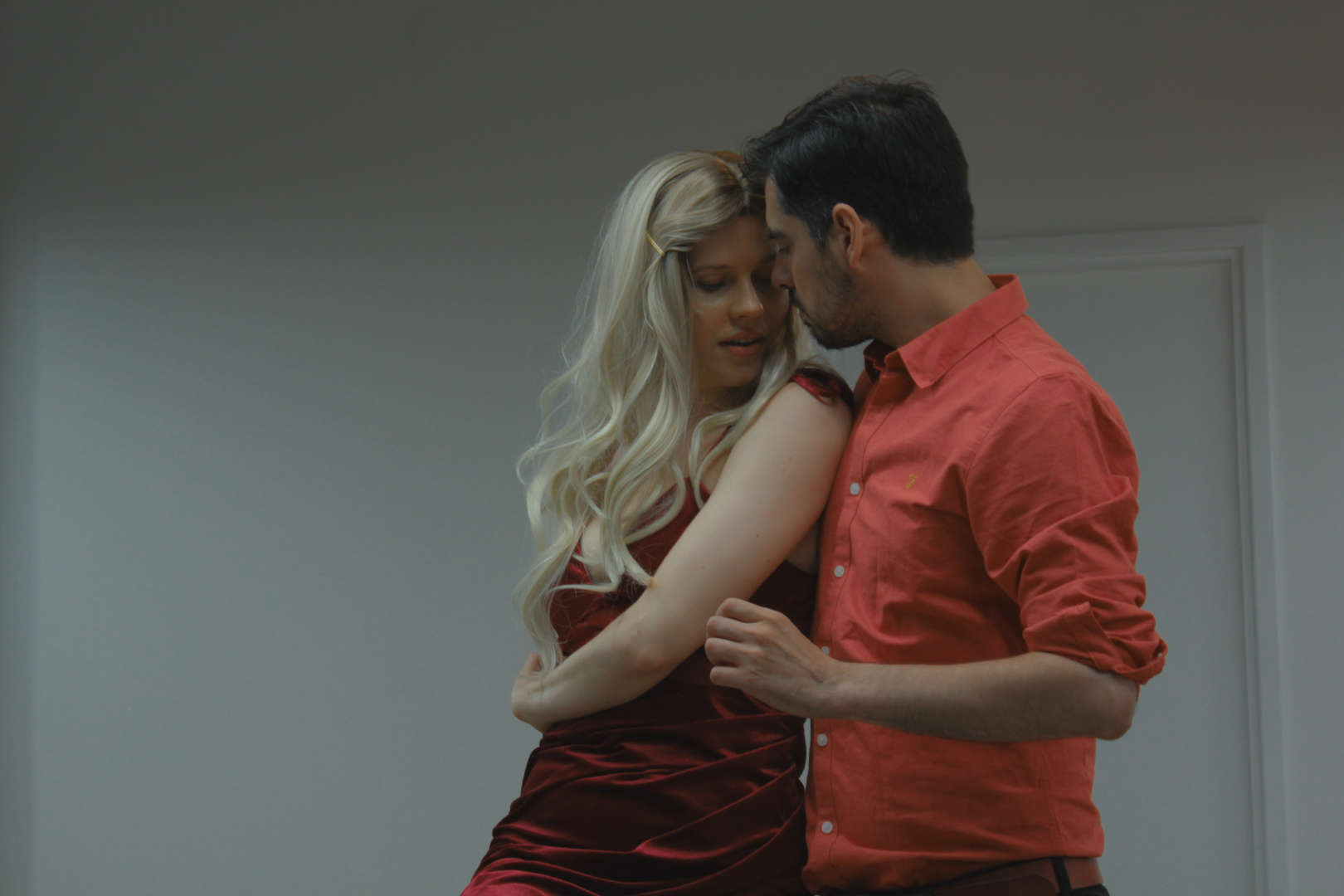
Their tango becomes an extension of the argument. Every turn, grip and sudden movement carries the tension of two people who know each other intimately but no longer trust one another. Agata Nielsen and Esteban Mereles dance with an aggression that makes the choreography feel less like reconciliation than combat conducted to music. The passion expected of tango is present, but it has curdled into accusation.
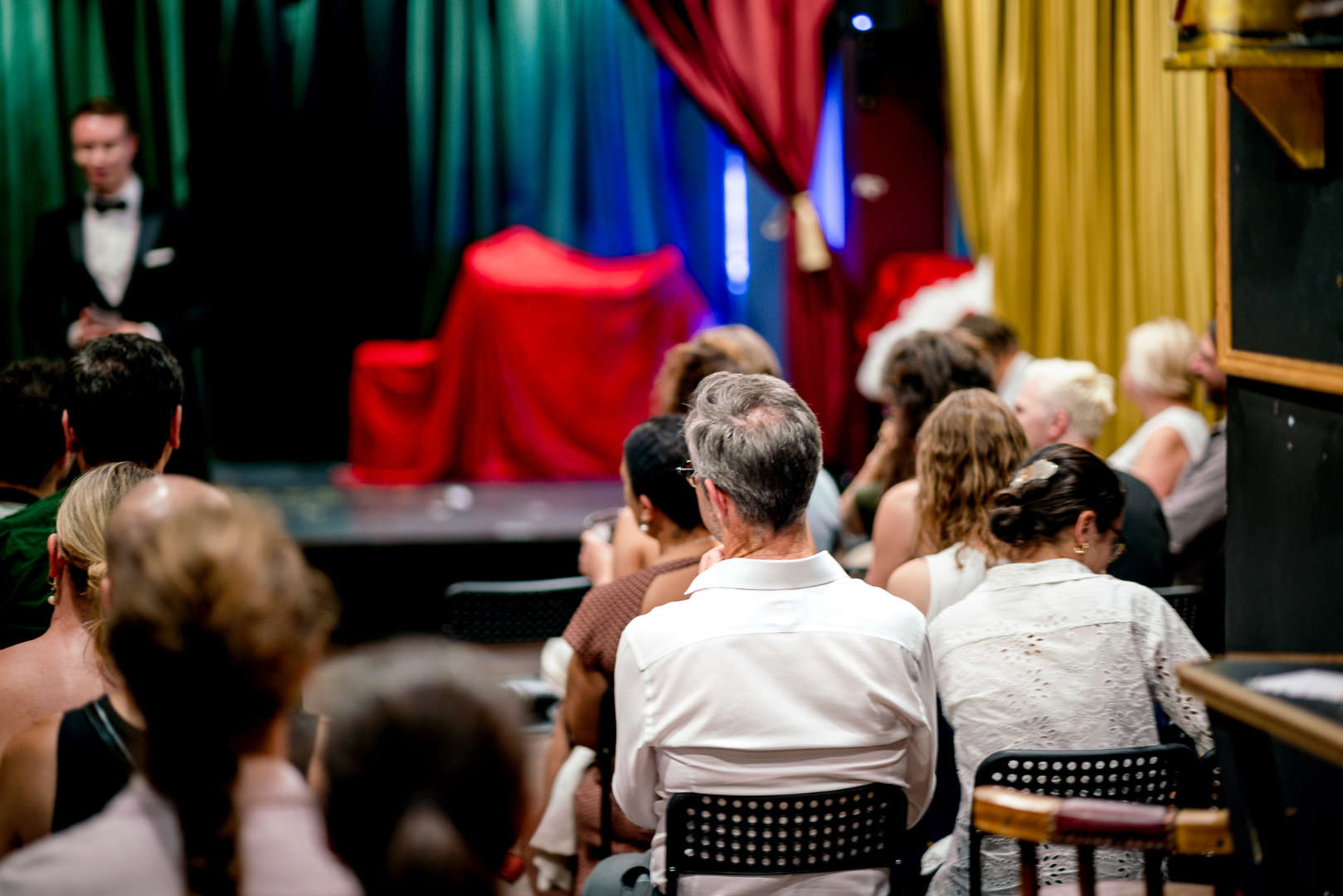
Roxana’s suspicions do not remain safely within the performance. She singles out a genuine audience member as Mateo’s supposed love interest, creating one of the production’s most effective moments of uncertainty. The interaction is funny because it appears spontaneous, yet it also pulls the audience into the couple’s dispute. The chosen spectator is not simply acknowledged and forgotten; Roxana returns to them later, while Mateo and Gianpiero also draw them further into the action. The result is a teasing sense that anyone in the room might become part of Gianpiero’s production without warning.
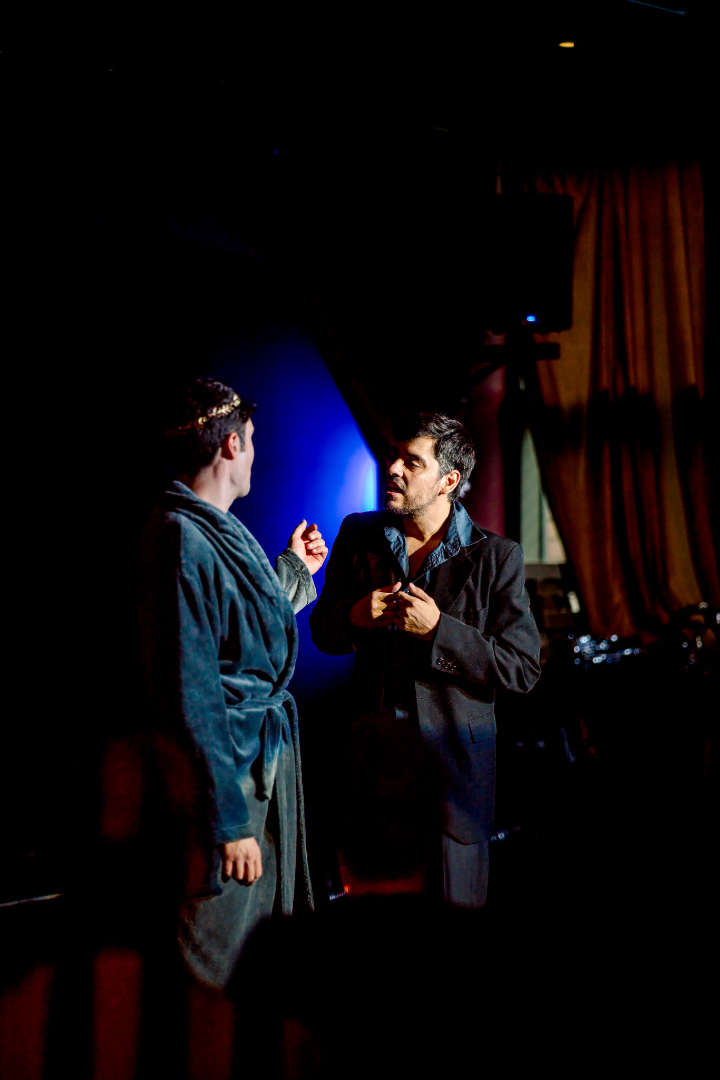
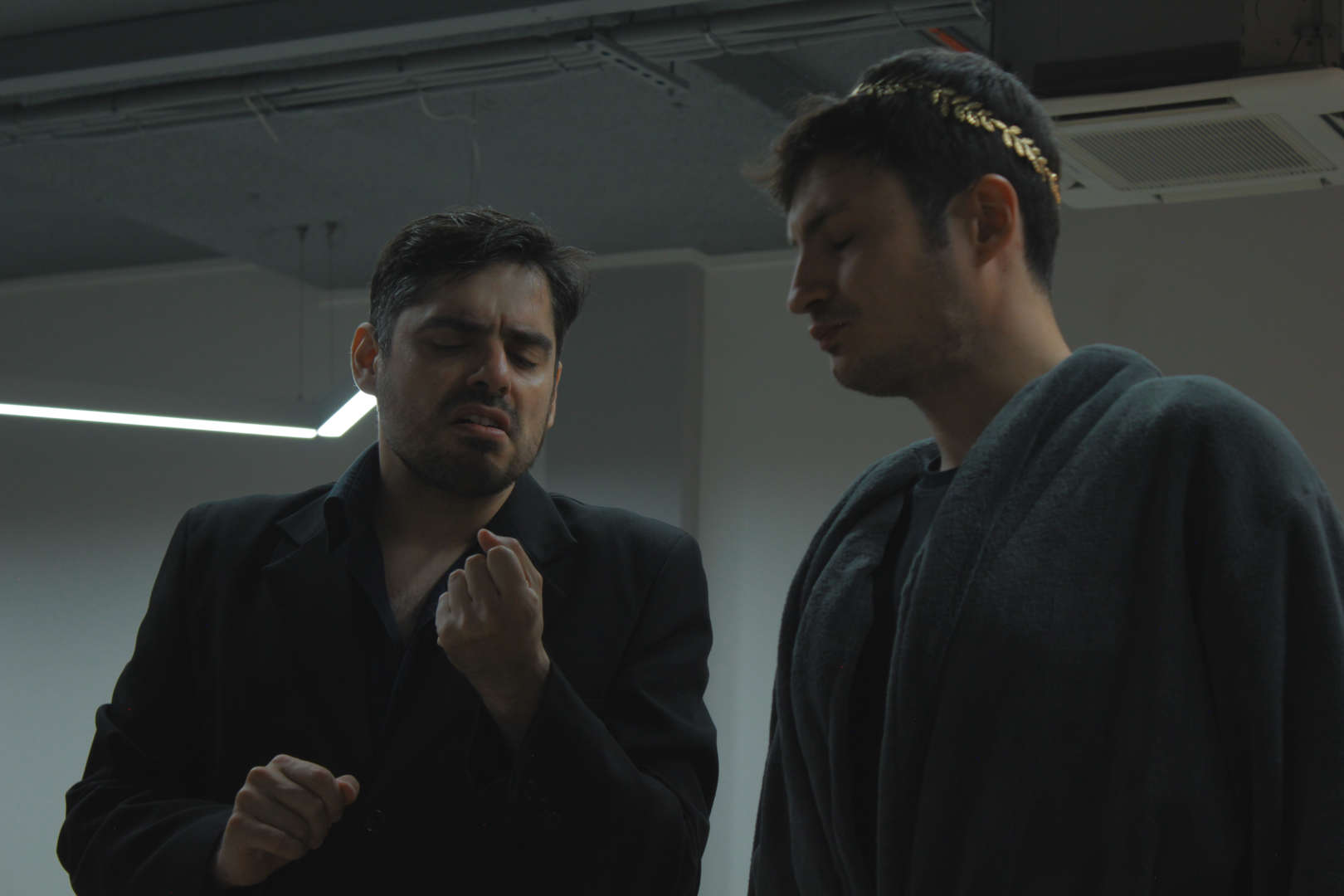
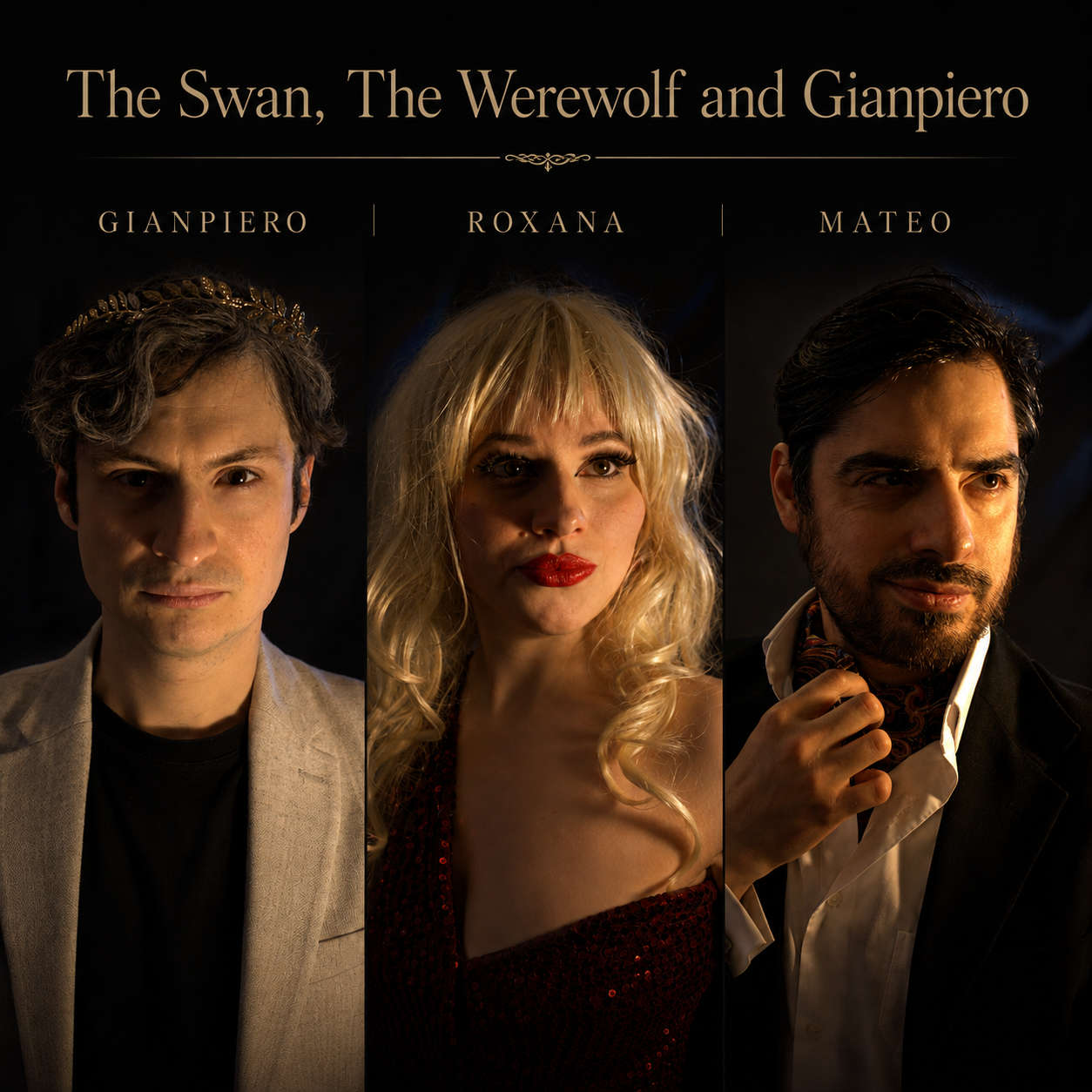
Watching from the sidelines is Gianpiero, an impresario and director whose faith in his own genius is matched only by his ability to exploit the emotional vulnerability of others. He sees the couple’s real distress not as a problem requiring compassion, but as the raw material for authentic theatre. Within moments, their breakup has inspired his next masterpiece: Mateo will become the Werewolf, Roxana the Swan, and Gianpiero will naturally take the credit.
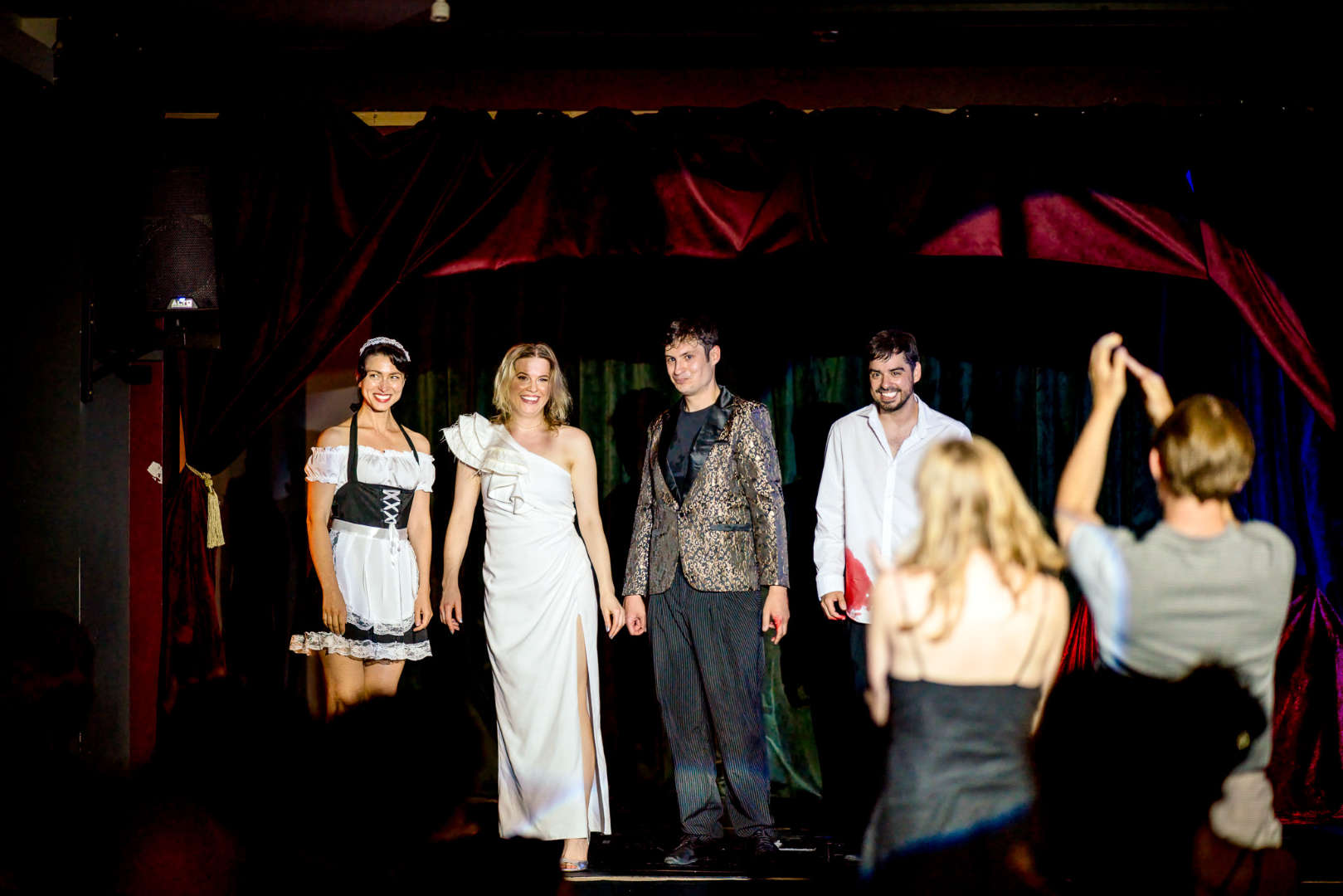
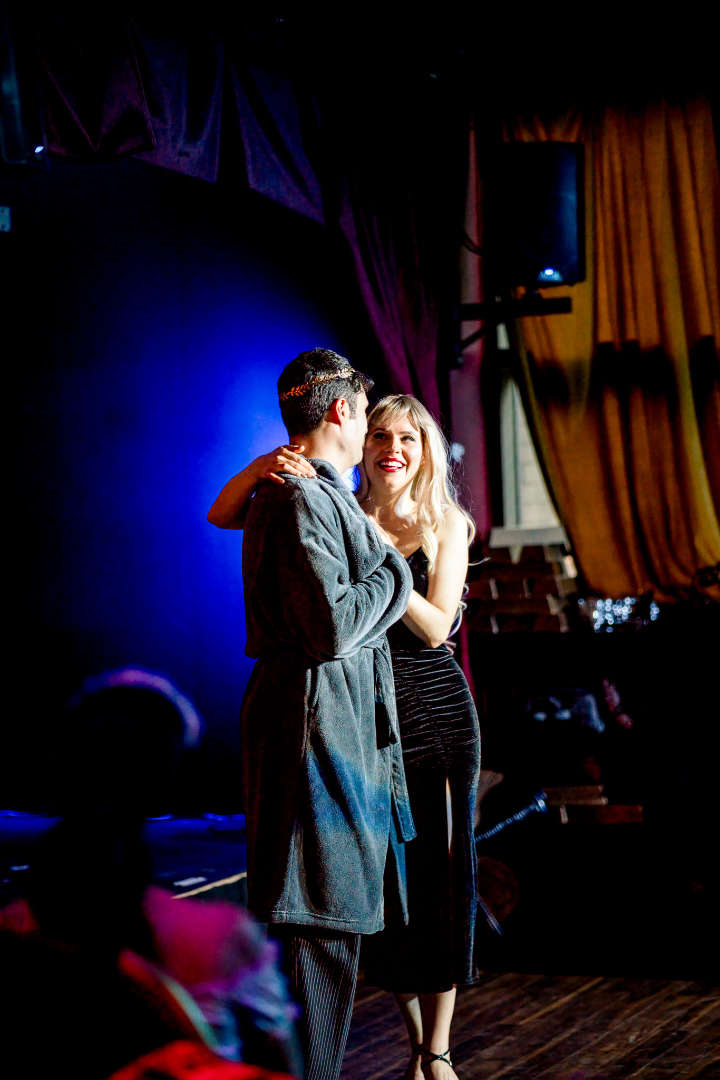
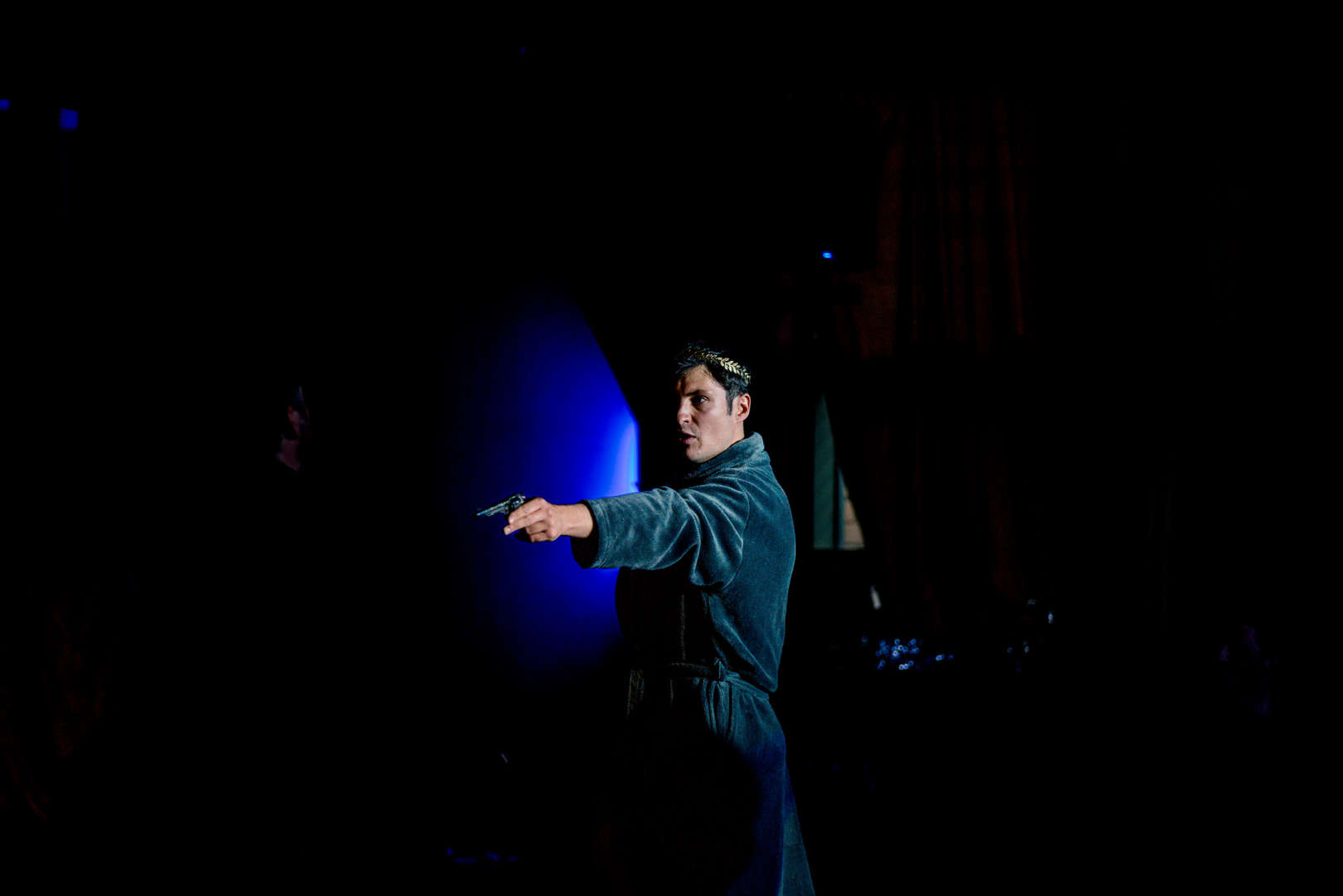
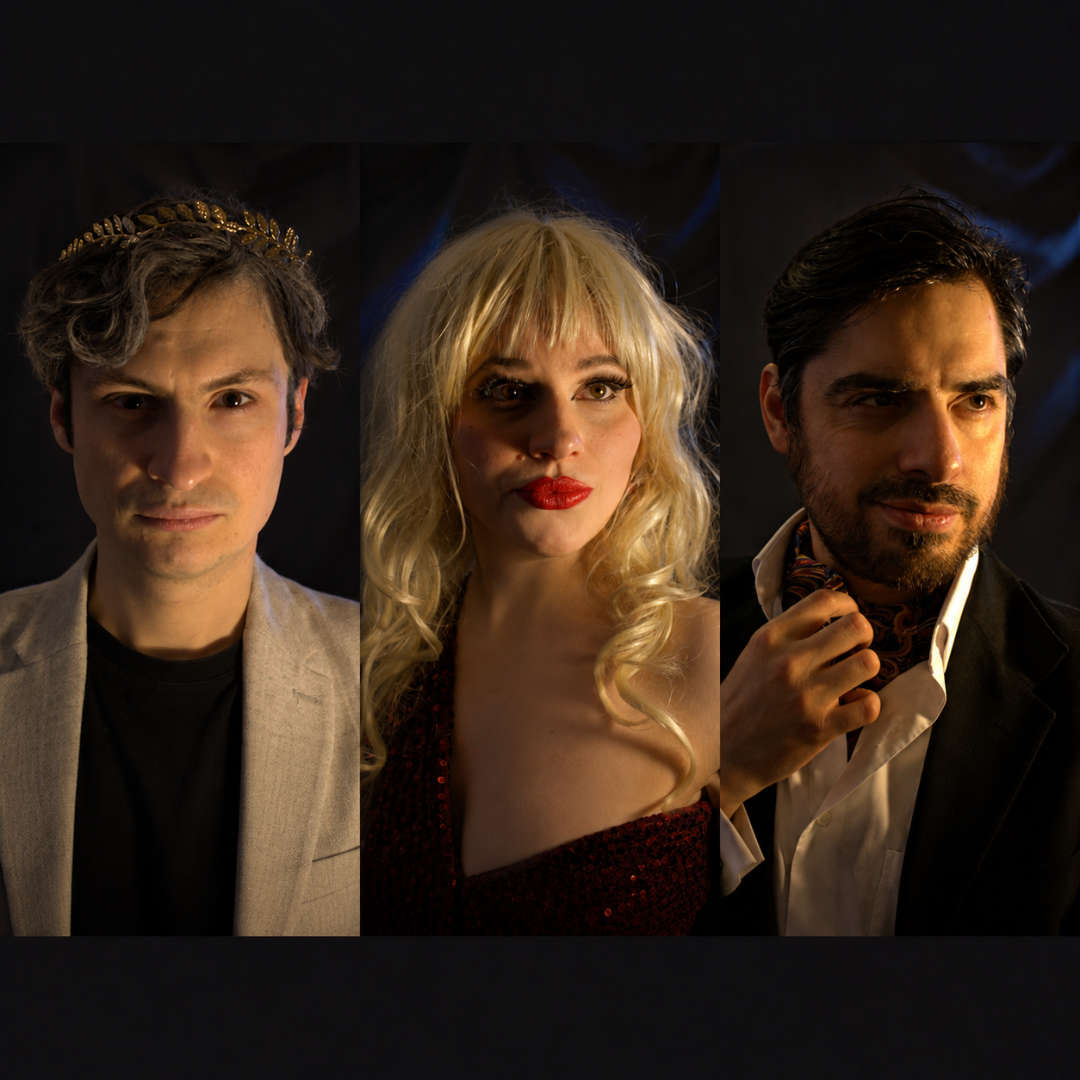
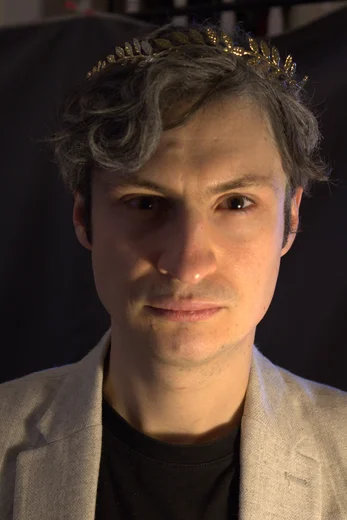
James Wilkinson gives Gianpiero a wonderfully serene self-importance. Wearing a golden laurel and presenting himself as a descendant of Julius Caesar, he speaks with the calm certainty of a man who has never entertained the possibility that he might be ridiculous. Wilkinson’s deadpan conviction is crucial. Gianpiero is funniest when making the most outrageous claim as though explaining an obvious fact to slower minds.
There is also something darker beneath the vanity. Gianpiero separately manipulates Roxana and Mateo, telling each of them a different story and carefully feeding their jealousy. He employs the unseen Juan as a decoy, promises artistic greatness and turns emotional danger into a directorial technique. His apparent composure makes the manipulation more unsettling, because he treats other people’s pain as a resource to be managed.
Mereles gives Mateo a strong physical volatility. His pride as both lover and dancer is repeatedly wounded, leaving him shifting between anger, desperation and eager submission whenever Gianpiero offers him the possibility of importance. Mateo wants to defend himself against Roxana’s accusations, but he is also susceptible to the director’s flattery. Mereles captures the character’s confusion without allowing his escalating jealousy to become monotonous.
Nielsen’s Roxana is equally mercurial. Her performance moves rapidly between anger, wounded affection, theatrical hauteur and comic bewilderment. One of the funniest passages involves Gianpiero feeding her an increasingly improbable account of Mateo’s supposed fate, with prison and Provence becoming entangled in the confusion. Nielsen handles the misunderstanding with sharp timing while preserving the emotional vulnerability beneath Roxana’s fury. Her striking costumes also reinforce the character’s shifting position between dancer, abandoned lover and Gianpiero’s newly invented Swan.
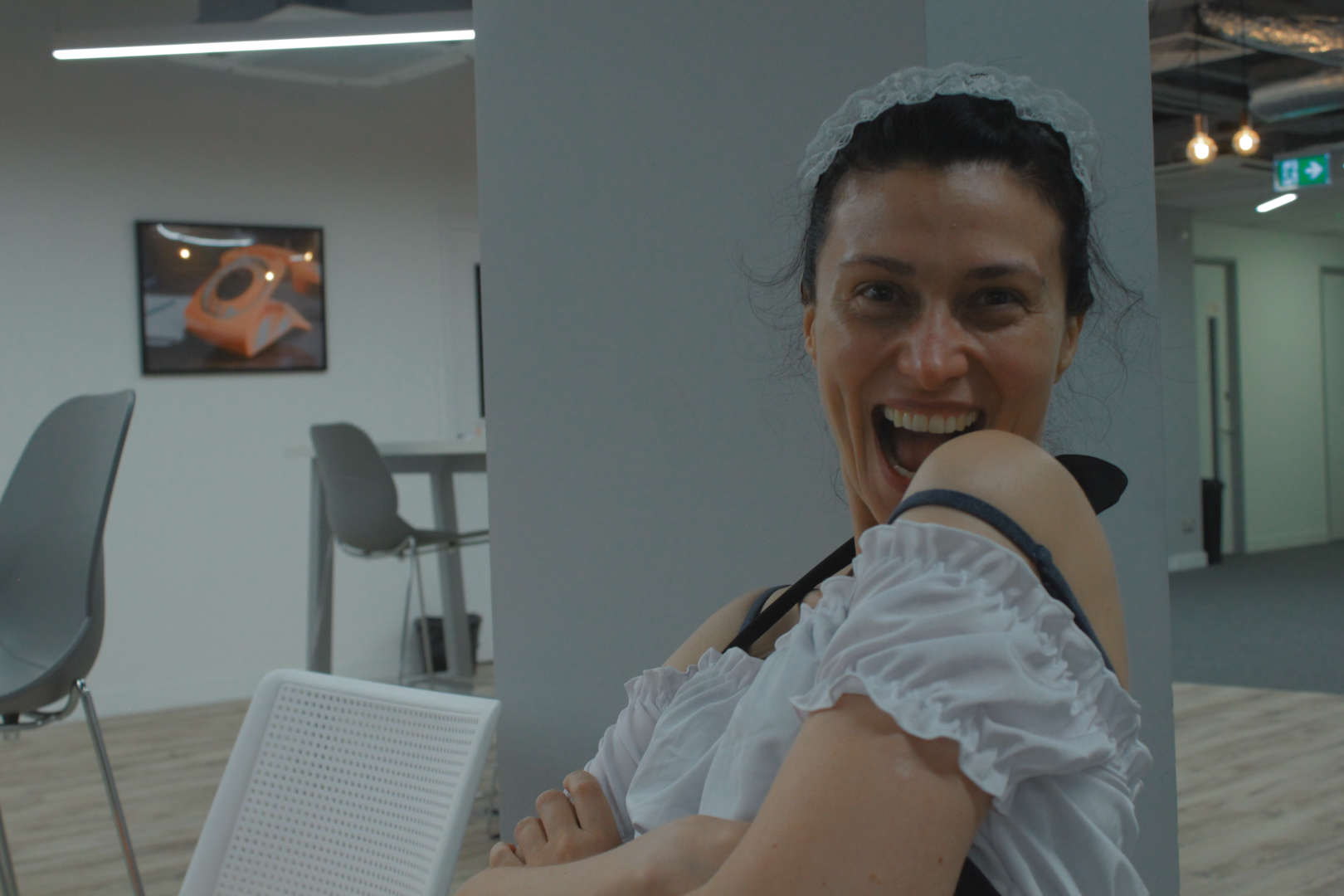
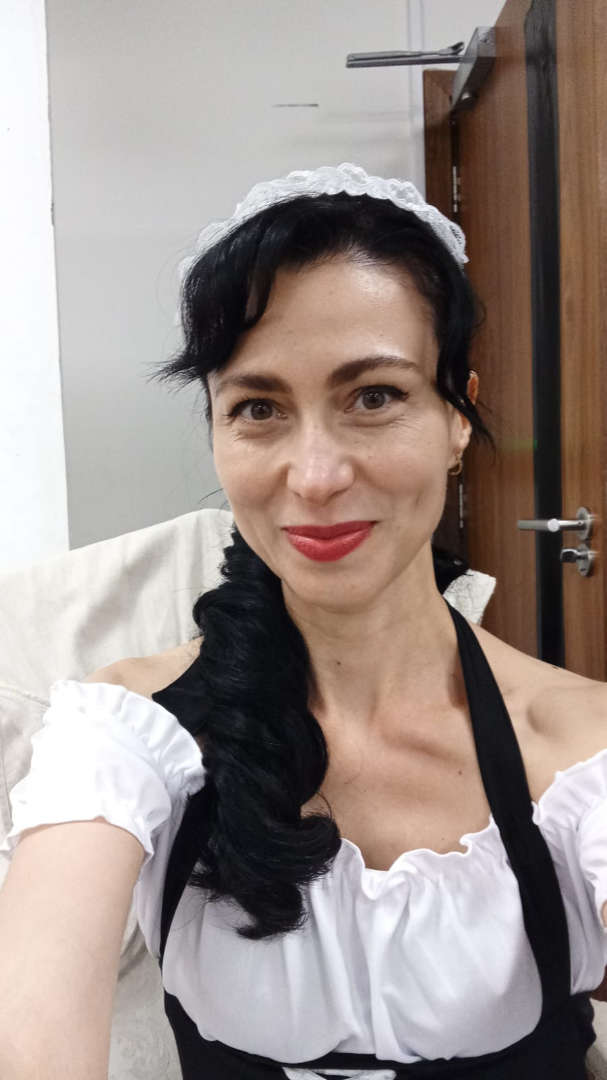
Brief appearances by Madalina Miron as the Maid provide an enjoyable comic counterpoint to Gianpiero’s grandiosity. As she facilitates the scene transitions, her presence also reinforces the image he has constructed around himself: a wealthy artistic genius eccentric enough to employ staff in conspicuously whimsical attire. Miron makes her limited stage time count, and the character feels ripe for further development.
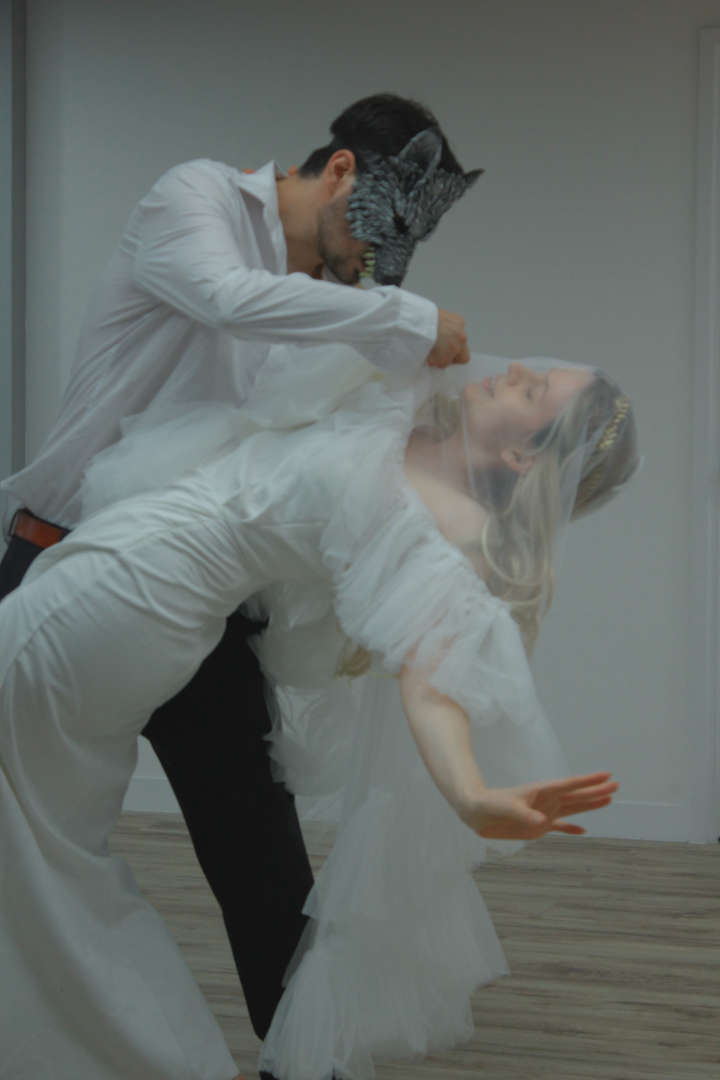
The production, with Krystian Godlewski credited as consulting director, embraces the instability of its premise. Music is used with gleeful incongruity, from “Roxanne” to a warped deployment of “Love Me Tender” during the mock wedding. The ceremony itself combines romantic cliché, theatrical ritual and calculated deception. Gianpiero keeps changing the rules, encouraging Roxana and Mateo to respond to circumstances that neither fully understands.
By the final section, the boundary between Gianpiero’s plan and the apparent collapse of the performance has almost disappeared. The wedding props trigger a fresh misunderstanding, the deception surrounding Juan is exposed, and the audience member drawn into Roxana’s suspicions is brought back into the dispute. What appears to be an emotional and physical disaster is revealed as precisely the kind of dangerous authenticity Gianpiero has been engineering.
At times, the production crowds its brief running time with more ideas than it can fully explore, and the Swan and Werewolf conceit might benefit from being established earlier. Yet that instability also fuels the comedy, reflecting a theatrical world in which Gianpiero keeps rewriting reality faster than anyone around him can resist.
The satire cuts deeper because Gianpiero represents more than one absurd director. He embodies a recognisable kind of artistic ego, one that treats another person’s distress as valuable only when it can be shaped, branded and credited. The production’s laughter therefore carries a darker undertow. It asks what happens when a director’s search for authenticity becomes an excuse to manipulate performers, and when emotional danger is mistaken for creative courage.
Gianpiero’s final satisfaction is therefore entirely in character. The actors have been deceived, relationships have been damaged and the evening has descended into turmoil, yet he regards everything as proof of his brilliance. “Even the actors didn’t see it coming,” he boasts before delivering the inevitable verdict: “Bravo me.”
The Swan, The Werewolf and Gianpiero is an energetic, knowingly chaotic piece of metatheatre powered by committed performances, sharp audience interaction and a deliciously monstrous central ego. By the end, the wreckage belongs to everyone, but the credit, inevitably, belongs to Gianpiero.
Performers
James Wilkinson
GIANPIERO
James Wilkinson is a London-born actor, tango dancer and doctor. He studied medicine at Cambridge and currently practises in London, having first discovered his enthusiasm for tango during his student years. Since then, he has travelled widely to dance and share his love of the form. His other interests include singing, comedy improvisation and playing percussion with a samba school. Wilkinson previously performed Gianpiero at the Etcetera Theatre in 2024 and also appeared in the short film Sleep.
Agata Nielsen
ROXANA
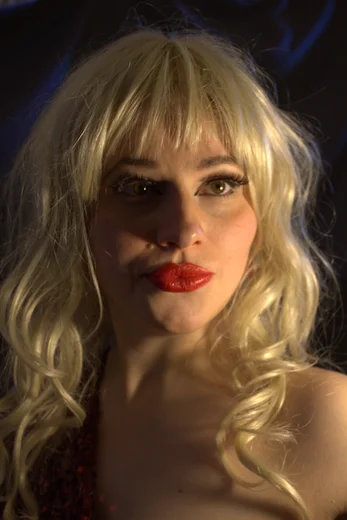
Agata Nielsen is an actress, writer and producer, as well as the founder of Drama Queen Studios. She wrote The Swan, The Werewolf and Gianpiero and continues to develop a range of theatre and screen projects. Her short film The Therapy Session premiered at the Raindance Film Festival and went on to receive several awards. She is currently developing a feature-film screenplay with Gregory Scott, alongside other creative work, and is drawing on her dance background for the forthcoming immersive production Tango Night.
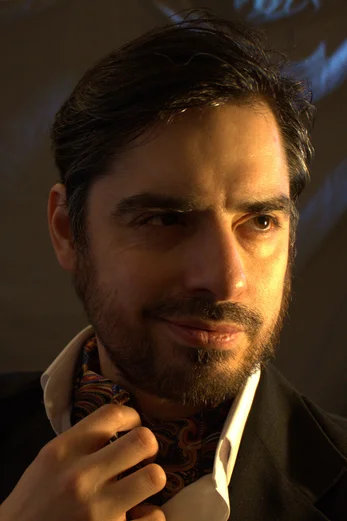
Esteban Mereles
MATEO
Esteban Mereles is an Italo-Argentinian actor, filmmaker and multidisciplinary artist based in London. In 2019, he produced the short film Unlucky, which screened at festivals internationally. His subsequent work includes appearances in Tormented Tango and The Swan, The Werewolf and Gianpiero, while his short film Sleep received an Honourable Mention for Best Short Short at the 2025 New Renaissance Film Festival. His writer-director project TangoxBallet was selected for LANAFF in 2026, and he is currently developing an immersive work exploring our future relationship with artificial intelligence.

Madalina Miron
THE MAID
Madalina Miron is a dancer, qualified psychotherapist and counsellor, and a registered member of the British Association for Counselling and Psychotherapy. Her holistic practice combines talking therapy with mindfulness, somatic movement and breathwork, supporting adults through anxiety, trauma, grief and major life changes. She also has experience in marketing, advertising and education. In The Swan, The Werewolf and Gianpiero, Miron appears as the Maid, facilitating scene transitions while adding a lively comic dimension to Gianpiero’s eccentric world.
Cast & Creatives
- Showing: 15th July 2026 at 8.00pm
- Venue: COLAB Theatre, COLAB Tower, 22 Southwark Bridge Road, London SE1 9HB
- Buy Tickets: https://www.eventbrite.com/e/the-swan-the-werewolf-and-gianpiero-theatre-preview-milonga-tickets-1990801722543
- Writer & Producer: Agata Nielsen
- Consulting Director: Krystian Godlewski
- Presented By: Drama Queen Studios
- Running Time: Approximately 50 minutes, without an interval
- Photography: Gabriela Lewandowska
- Cast:
Agata Nielsen as Roxana
Esteban Mereles as Mateo
Madalina Miron as The Maid
A Gloriously Unstable Collision Of Tango And Theatrical Chaos
Summary
Agata Nielsen’s The Swan, The Werewolf and Gianpiero turns a backstage breakup into a gloriously unstable, tango-infused spectacle, powered by sharp audience interaction, three committed central performances and a wicked satire of toxic theatrical ego.


Add comment