Some characters need only step onto a stage to command attention. In Ballet Theatre UK’s The Snow Queen, the title character achieves precisely that, her measured movements and regal bearing establishing an immediate sense of authority. Beyond this imposing central presence lies a charming interpretation of Hans Christian Andersen’s fairy tale, brought to life through expressive choreography, beautiful costumes and an engaging combination of adventure, humour and heartfelt storytelling.
The story follows Gerda as she embarks on a journey to rescue her friend Kay, who has fallen under the spell of the mysterious Snow Queen. Along the way, she encounters an assortment of colourful characters before eventually reaching the Queen’s frozen palace. It is a tale of loyalty and affection overcoming seemingly insurmountable obstacles, with the dancers entrusted to communicate its emotional journey without spoken dialogue.
Under the artistic direction and choreography of Christopher Moore, the company largely succeeds in making the story accessible through movement, gesture and facial expression. The relationships between the principal characters are readily understood, although some transitions between Gerda’s encounters are less clearly established. Those unfamiliar with Andersen’s tale may occasionally need to piece together how one episode leads to another.
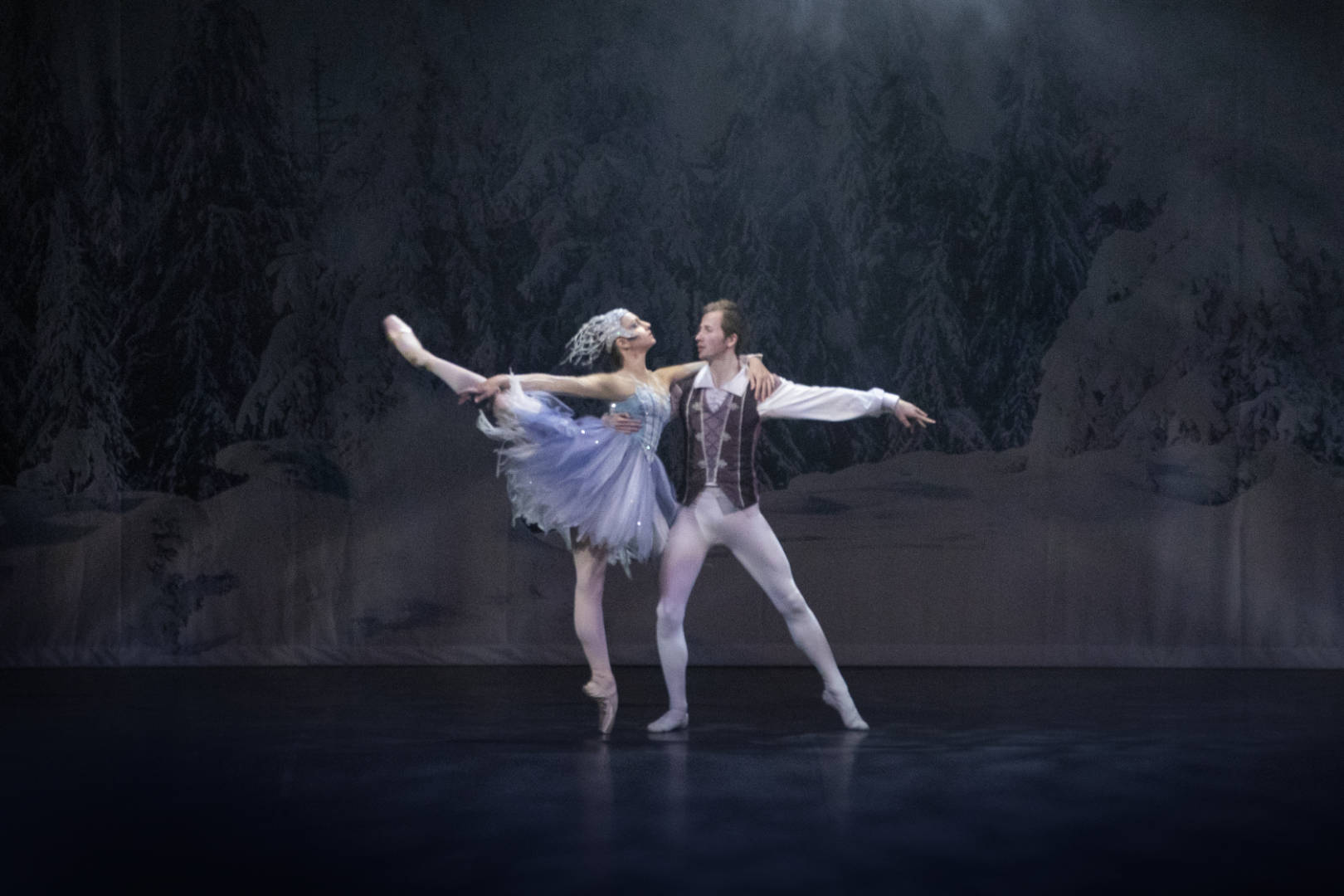
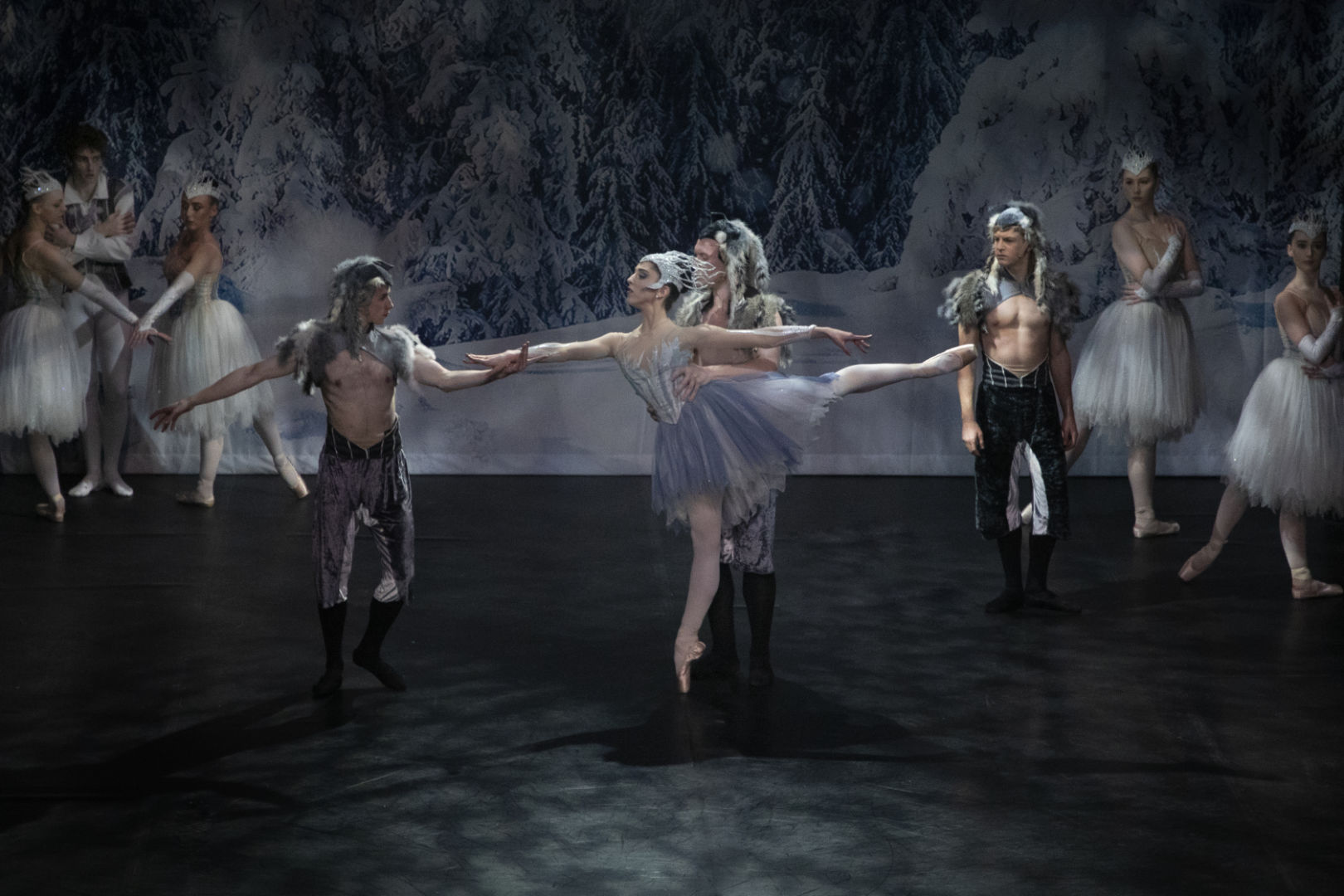
The dancer portraying the Snow Queen delivered the evening’s standout performance. Her characterisation combined elegance with an underlying sense of menace, expressed through deliberate gestures and precise movements rather than exaggerated villainy. There was something particularly unsettling about her restraint, suggesting a character who had little need to demonstrate her power because she assumed it would never be questioned.
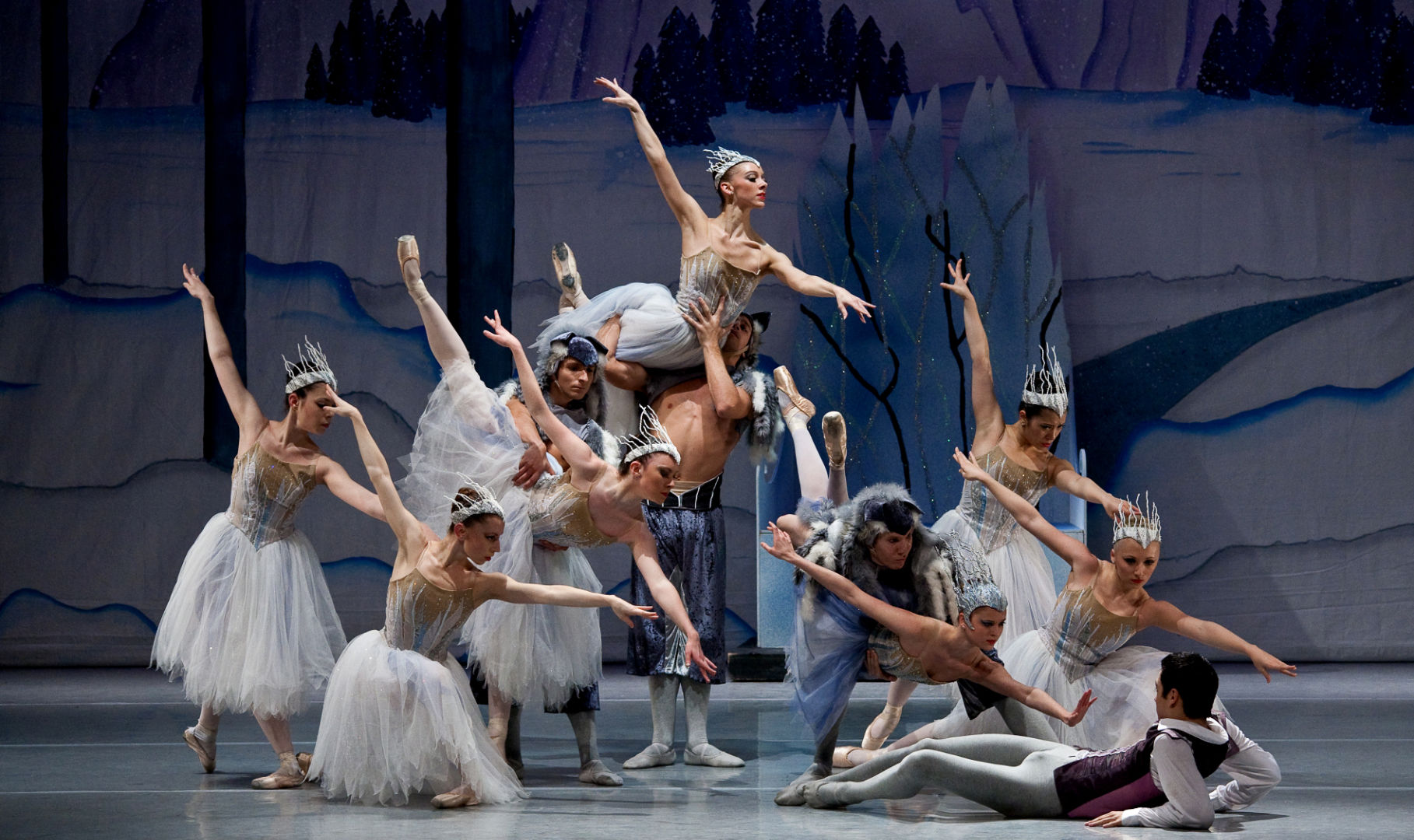
Her arrival aboard a sleigh was among the production’s most memorable moments. Wolves surrounded her, their soaring leaps bringing extraordinary energy to the stage, while she remained almost motionless amid the activity. The contrast between their athleticism and her stillness made the scene particularly effective, establishing the Queen’s dominance through choreography rather than theatrical excess.
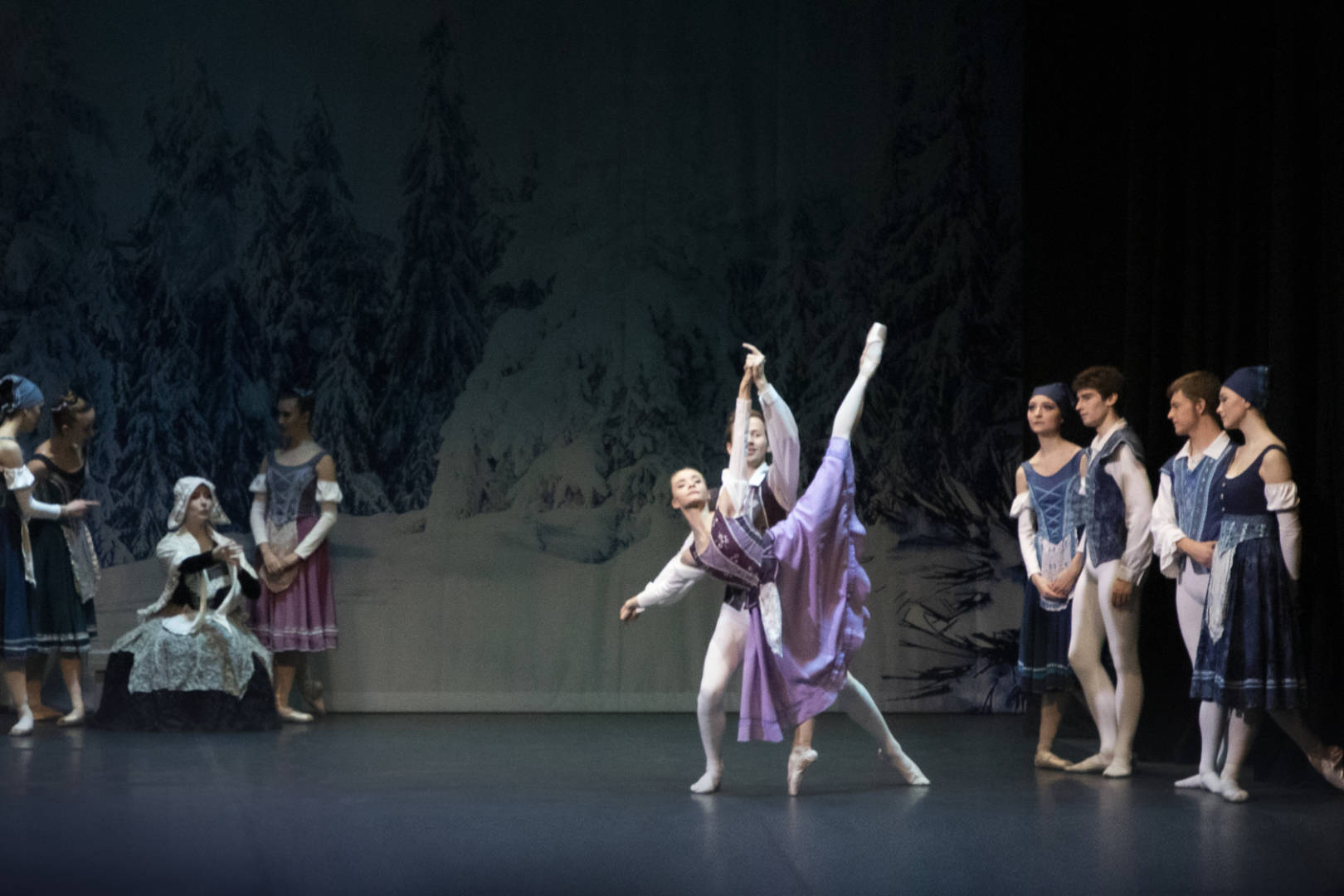
The dancers portraying Gerda and Kay also deserve considerable praise. Gerda carries much of the story’s emotional responsibility, and her performance combined delicacy with determination. Her graceful movements never obscured the strength of her devotion to Kay, giving the audience someone to follow and care about throughout the journey. Kay’s transformation from an innocent companion into someone under the Snow Queen’s influence was equally convincing, conveyed through changes in posture, expression and movement. Their relationship provided the emotional foundation for a satisfying eventual reunion.
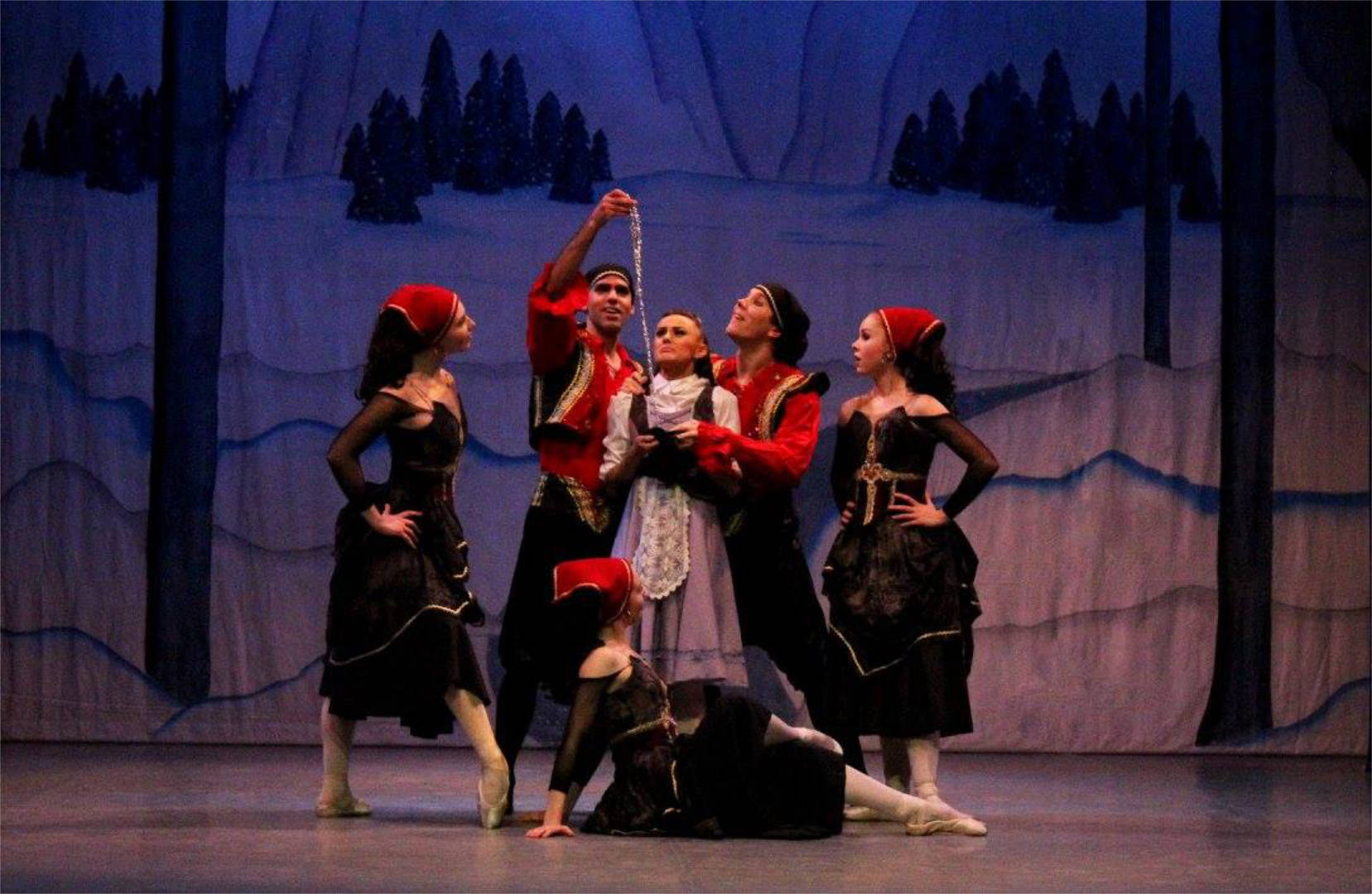
There was delightful humour among the supporting characters, particularly during Gerda’s encounter with the spirited robber girl. Her playful teasing developed into wonderfully exaggerated physical comedy, with her body bent forward, twisting and turning as her arms flailed about. Her uninhibited movements contrasted amusingly with Gerda’s more delicate manner, and their dance together became one of the evening’s unexpected pleasures. It was a reminder that ballet can communicate humour as effectively as tenderness or menace.
Other encounters, including the Reindeer sequence, brought variety to Gerda’s journey, while the ensemble demonstrated precision and commitment during the more energetic passages. Not every episode carried the same dramatic momentum, however. Some of the encounters between Gerda’s departure and her arrival at the Palace of Ice felt more extended than their contribution to the developing story warranted. A little more economy in these passages would have strengthened the sense of an increasingly urgent journey.
Visually, the production makes effective use of the resources available to a touring company. The scenery is relatively modest, but lighting and imaginative staging create contrasting environments without elaborate transformations. Warmer colours accompany moments of friendship and companionship, while cooler tones establish the mysterious atmosphere of the Snow Queen’s kingdom. These shifts help distinguish the changing emotional character of Gerda’s adventures.
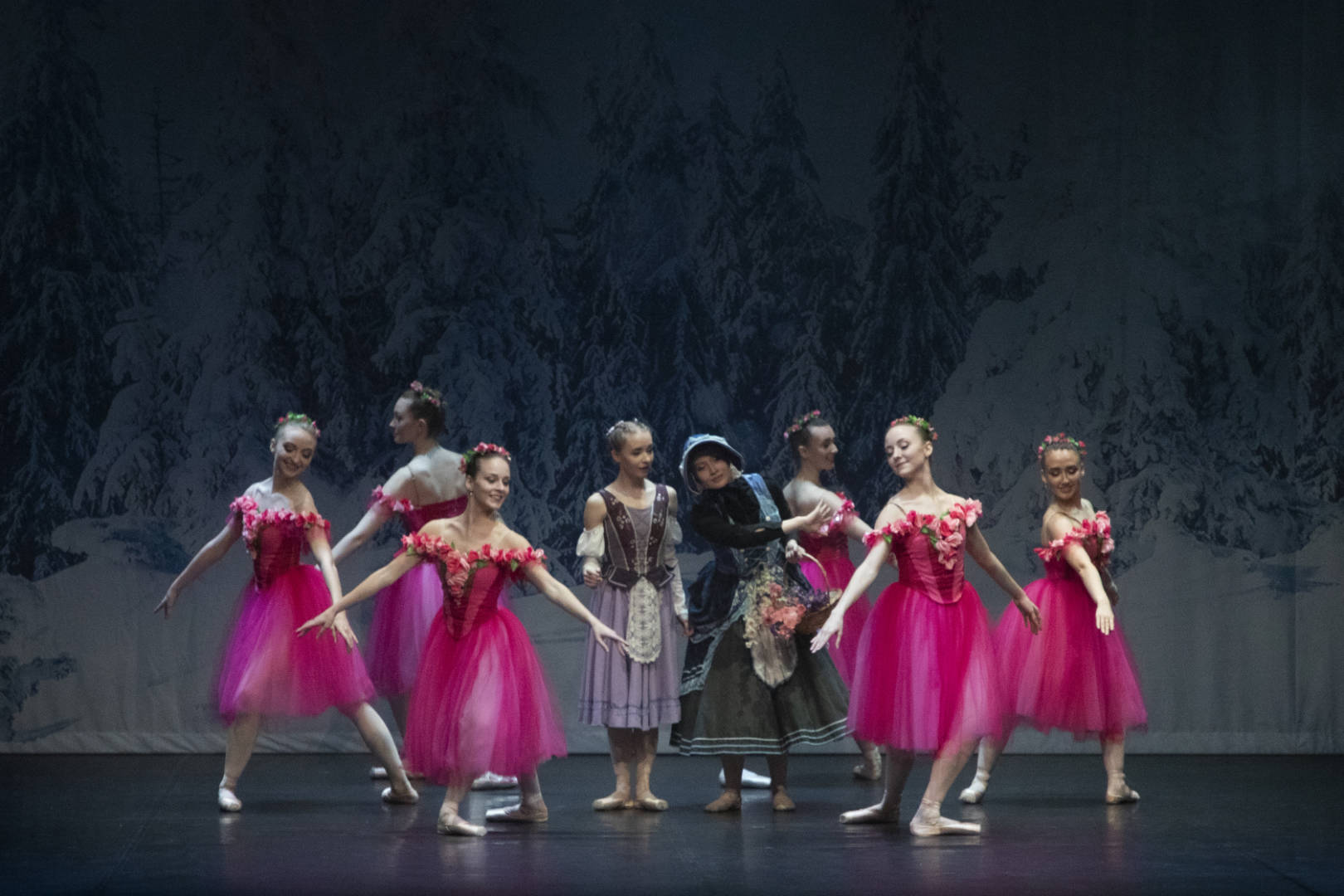
The costumes were another considerable strength, giving the characters distinctive appearances while contributing to the fairy-tale atmosphere. Their variety was particularly welcome during Gerda’s encounters with the supporting characters, helping each episode establish its own identity.
The Palace of Ice provided the visual and emotional climax. Shimmering colours and cool lighting created an appropriately enchanted setting for Gerda’s final confrontation with the Snow Queen. Although a more elaborate design might have heightened the spectacle, the atmosphere was sufficiently convincing to support the dramatic conclusion.
The recorded musical accompaniment, featuring arrangements and original compositions by Simon Paterson, supported the changing moods of the story. Darker passages accompanied the Queen’s appearances, while warmer melodies helped establish the emotional contrasts between the characters. The music was especially effective when paired with the more dramatic choreography, allowing the dancers’ movements to carry the narrative forward.
Theatre Royal Windsor provided an attractive setting for the performance, and the company received enthusiastic applause at the curtain call. The audience’s response seemed particularly fitting for a production that offered so many accessible pleasures without requiring specialist knowledge of classical ballet.
What makes The Snow Queen appealing is its ability to engage different generations through the same story. Younger audiences can enjoy the adventure, colourful characters and moments of humour, while adults can appreciate the expressive dancing and thoughtful characterisation. Its occasional lapses in pacing do not diminish the warmth or sincerity of the storytelling.
Ballet Theatre UK’s The Snow Queen may lack the lavish spectacle of a major national ballet production, but its strengths lie in the performances and the imaginative use of movement. With a memorable central character, an emotionally engaging journey and several beautifully realised scenes, this is an enjoyable interpretation of a much-loved fairy tale that demonstrates how effectively ballet can tell a story without words.
Cast & Creatives
- Showing: Tuesday 27th October 2026
- Venue: Theatre Royal Windsor, 32 Thames Street, Windsor, Berkshire SL4 1PS
- Buy Tickets: https://www.ballettheatreuk.com/tour-dates
- Running Time: 2 hours, including a 20-minute interval
- Production: Ballet Theatre UK
- Based On: The fairy tale by Hans Christian Andersen
- Founder, Artistic Director & Choreographer: Christopher Moore
- Music: Arrangements and original compositions by Simon Paterson
- Rehearsal Director: Andrea Battaggia
- Ballet Mistress: Gwénaëlle Poline Santos
- Technical Manager & Lighting Designer: Ryan Phillips
- Wardrobe Department: Hayley Turner and Val Plant
- Make-Up Design: Sian Revill and Deberah Bennett
- Production Photography: Courtesy of Ballet Theatre UK
- Cast:
Cast details awaiting confirmation from Ballet Theatre UK.
A Charming and Beautifully Performed Family Ballet
Summary
Ballet Theatre UK brings Hans Christian Andersen’s The Snow Queen to life through graceful dancing, beautiful costumes and expressive storytelling. A captivating Snow Queen, impressive athletic choreography and delightful moments of humour make this an engaging production for audiences of all ages. Although some scenes could benefit from tighter pacing, this is a thoroughly enjoyable interpretation of a much-loved fairy tale.


Add comment