Frank, funny and increasingly unsettling, Marieke Kuphal’s one-room drama explores the love, pressures and painful contradictions contained within a long female friendship.
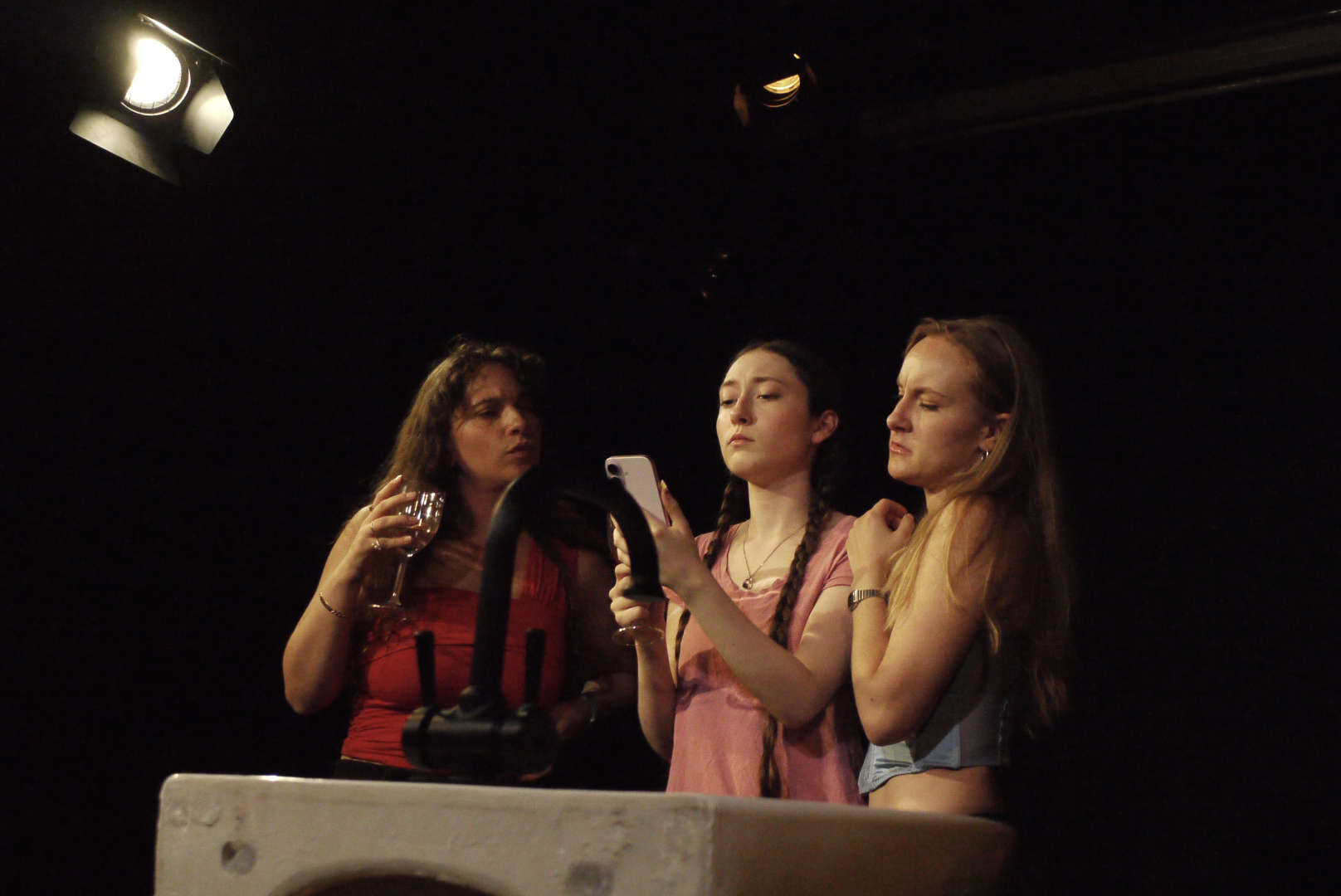
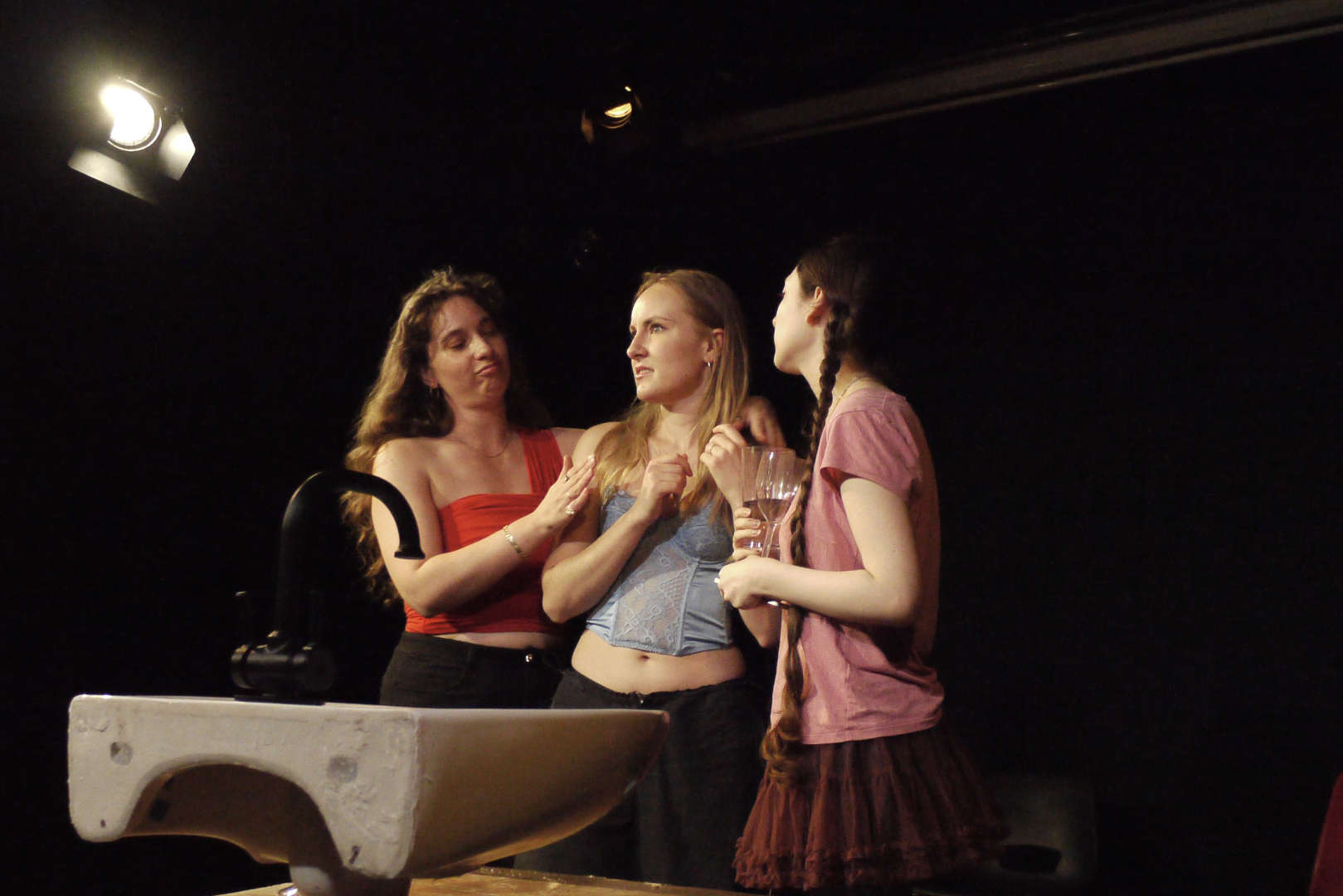
A women’s toilet may appear an unlikely setting for an entire play, but in The Girls Are Fighting it becomes a sanctuary, confessional, battleground and, eventually, a potential crime scene. Presented by Bite the Hand Productions, the play begins like a gleefully explicit comedy about dating and sex before gradually revealing the anxiety, shame and danger concealed beneath its characters’ funniest stories.
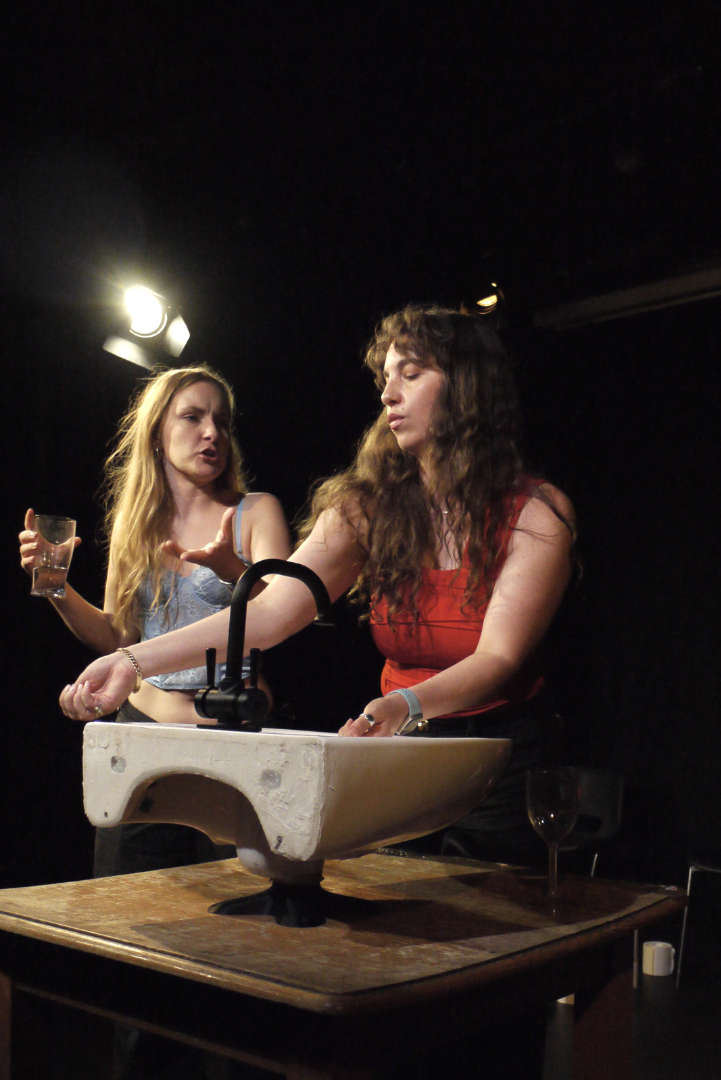
Written and directed by Marieke Kuphal, with Judy Gallagher as co-director, the production brings together three friends who have known one another since their school days. Marnie, Bree and Angie are marking the anniversary of the day they started school together, but their celebratory night out is already becoming complicated.
The play drops its audience directly into one of Marnie’s graphic sexual anecdotes. It takes a short while to attach names to the rapid conversation, but the opening soon proves thematically important. What Marnie presents as an amusing encounter becomes progressively more disturbing as she describes pain being ignored, seeing herself from outside her own body and returning home unable to stop crying. Humour is not merely decoration here: it is the means by which these women make troubling experiences bearable enough to recount.
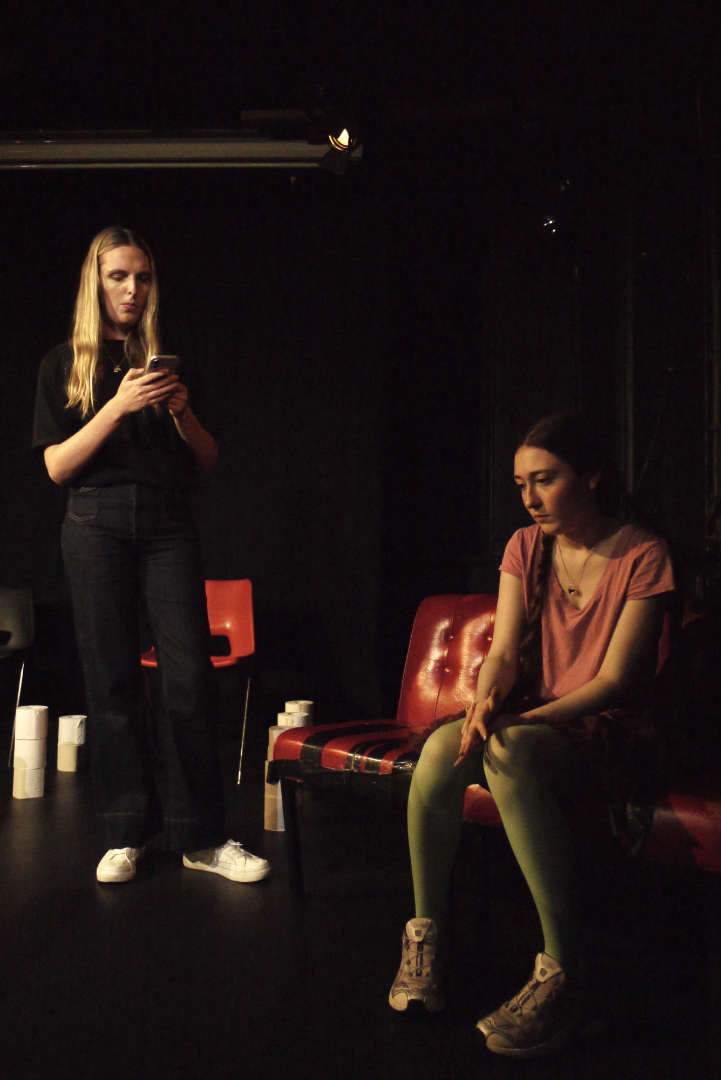
Kuphal cleverly keeps the men themselves offstage. Nevertheless, they exert a constant influence through dating apps, messages, memories and consequences. The supposed privacy of the women’s toilet offers temporary protection from them, but it cannot prevent their presence from entering through a mobile phone.
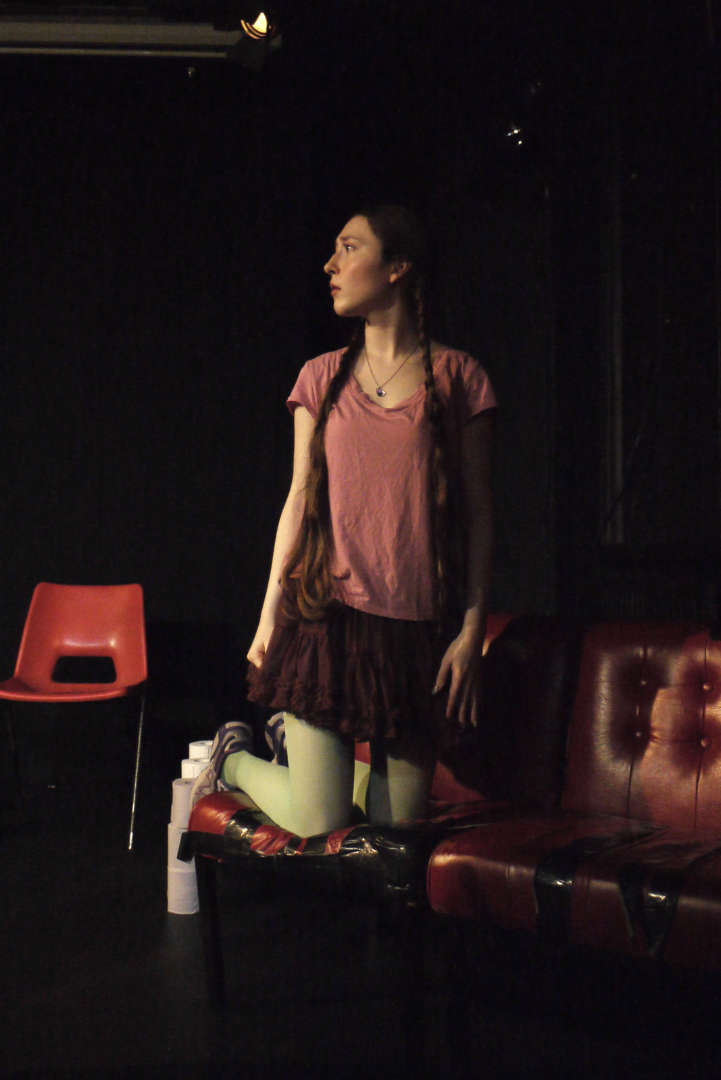
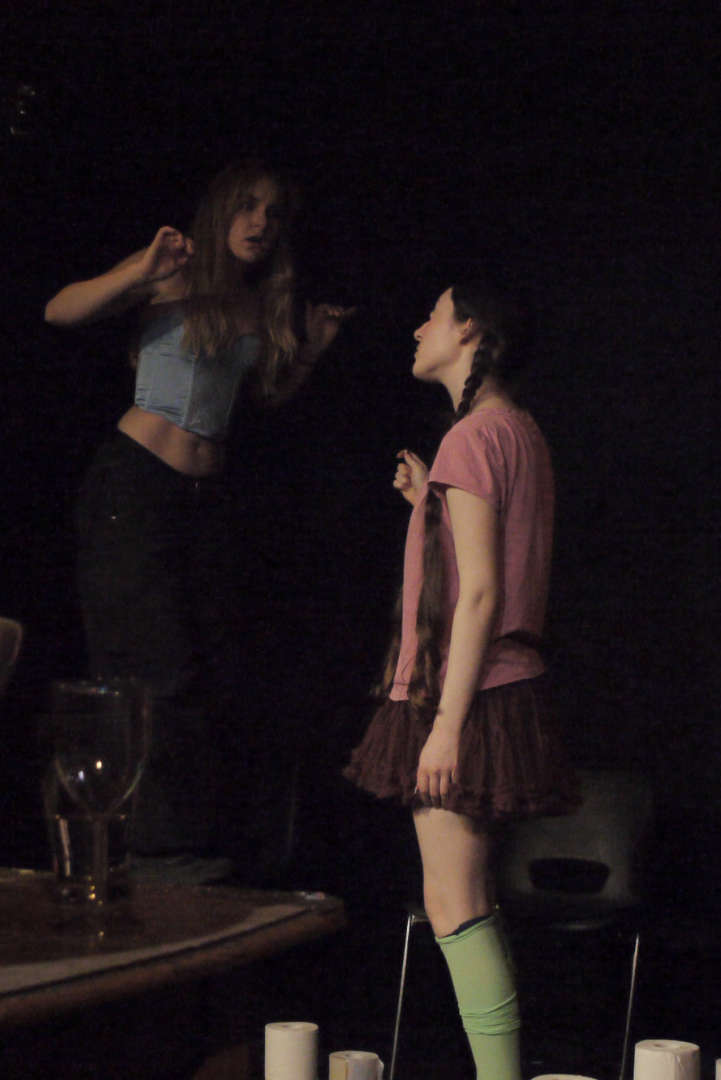
The production becomes most affecting through Angie, played by Yasmin Clare Jamshidi. Cautious, inexperienced and comparatively sheltered, Angie worries that she has become the judgemental matron beside her more sexually adventurous friends. She decides that she must reinvent herself, not necessarily because she knows what she wants, but because she wants to become the person she believes the others expect her to be.
Jamshidi gives Angie an almost angelic stage presence, making her eagerness to please and later vulnerability especially affecting. There is a lovely formality to Angie’s attempts at recklessness, and her uncertainty generates some of the play’s warmest comedy. At the same time, Jamshidi ensures that the character never becomes simply naïve or ridiculous. The audience’s concern for Angie grows naturally as her determination to acquire a story of her own draws her towards an increasingly precarious situation.
She finds an unexpected confidante in Grace, a kind toilet attendant played by Amelia Hall, appearing in the role as cover. Hall brings warmth, confidence and dry wit to Grace, who guides Angie through the brutal etiquette of dating apps while recognising dangers that Angie cannot yet see.
There is also a gently flirtatious quality to the rapport between Angie and Grace. The play does not turn this into a declared romance, but Jamshidi and Hall create enough tenderness and playful chemistry to suggest the possibility of a different kind of connection. Their scenes together offer a welcome space in which Angie can begin to speak outside the roles assigned to her by her oldest friends.
Grace also prevents the play’s discussion of female solidarity from becoming self-congratulatory. When her right to be in the women’s toilet is questioned, the supposed safe haven reveals its own capacity for prejudice and exclusion. Angie’s defence of Grace is one of her most decisive moments. Later, Grace challenges an overly simple attempt to associate violence with anatomy alone, asking for a degree of nuance at a moment when emotions are at their highest. Hall negotiates these shifts with an assured presence that makes Grace much more than a convenient voice of reason.
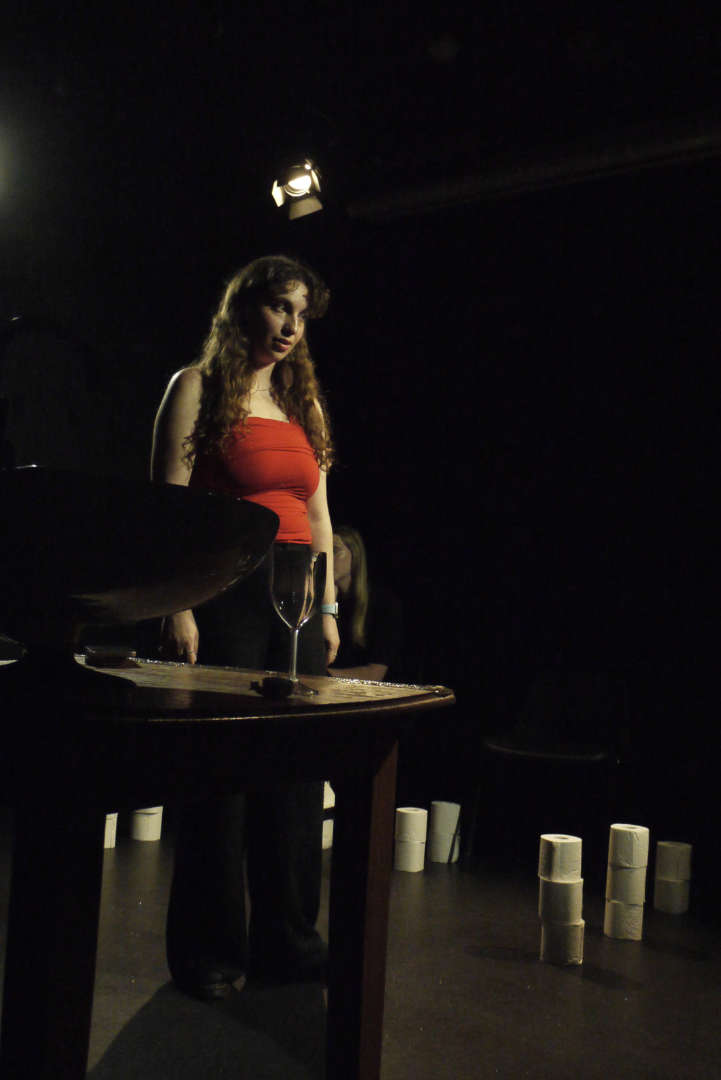
Kuphal gives Marnie an exuberant comic boldness while allowing flashes of the self-loathing beneath her sexual bravado to become increasingly visible. Marnie appears to be the friend least concerned by judgement, yet her stories gradually expose how desperately she wants affection and how readily she translates hurt into entertainment. Kuphal’s performance holds these contradictions together, particularly as Marnie’s choices threaten the friendship she depends upon.
Sarah Sinizer Hopkins gives Bree a similarly complex mixture of vulnerability and moral certainty. Bree is still consumed by her former boyfriend Jonah, even while promising to “decentre men” and urging Marnie to reconsider her own behaviour. Hopkins captures both the sharp comedy of Bree policing her friends and the genuine pain behind her judgements. When a betrayal within the group emerges, her anger has considerable force, but the play wisely refuses to offer an easy reconciliation.
Bree’s later reflection upon what it means to have been known by another person for most of one’s life is among the evening’s most moving passages. Love and forgiveness are not treated as interchangeable. A friendship can be damaged beyond immediate repair while still retaining an emotional permanence that neither distance nor anger can erase. Hopkins gives this closing stretch a welcome maturity and emotional weight.
Danger is carefully foreshadowed throughout the play. Angie’s vulnerability, Grace’s warnings, the aggression concealed within apparently ordinary dating exchanges and Marnie’s opening account all prepare the ground. When the comic refuge becomes the site of an emergency, the tonal change feels convincing rather than imposed. The precise cause of what happens is left uncertain, although the possibility that Angie has been drugged or otherwise harmed hangs heavily over the scene. That uncertainty reflects the wider play, in which the women repeatedly struggle to determine exactly what has happened to them and whether they are entitled to name it as harm.
The script takes on a great deal within approximately an hour, including consent, misogyny, transphobia, menstruation, motherhood, climate anxiety, generational trauma and betrayal. At times, so many ideas compete for attention that the conversations risk feeling overfilled. Some of the dating-app humour also settles for easier targets than the play’s strongest writing. The dismissal of men for being bald or under 180 centimetres relies upon the same kind of appearance-based judgement that the wider drama otherwise questions.
These are relatively minor reservations within a piece that remains sharply observant about the pressures women can place upon one another. Friendship offers protection, but it also creates expectations. Marnie, Bree and Angie love each other, yet they do not always listen. They can be protective and coercive, perceptive and hypocritical, sometimes within the same conversation.
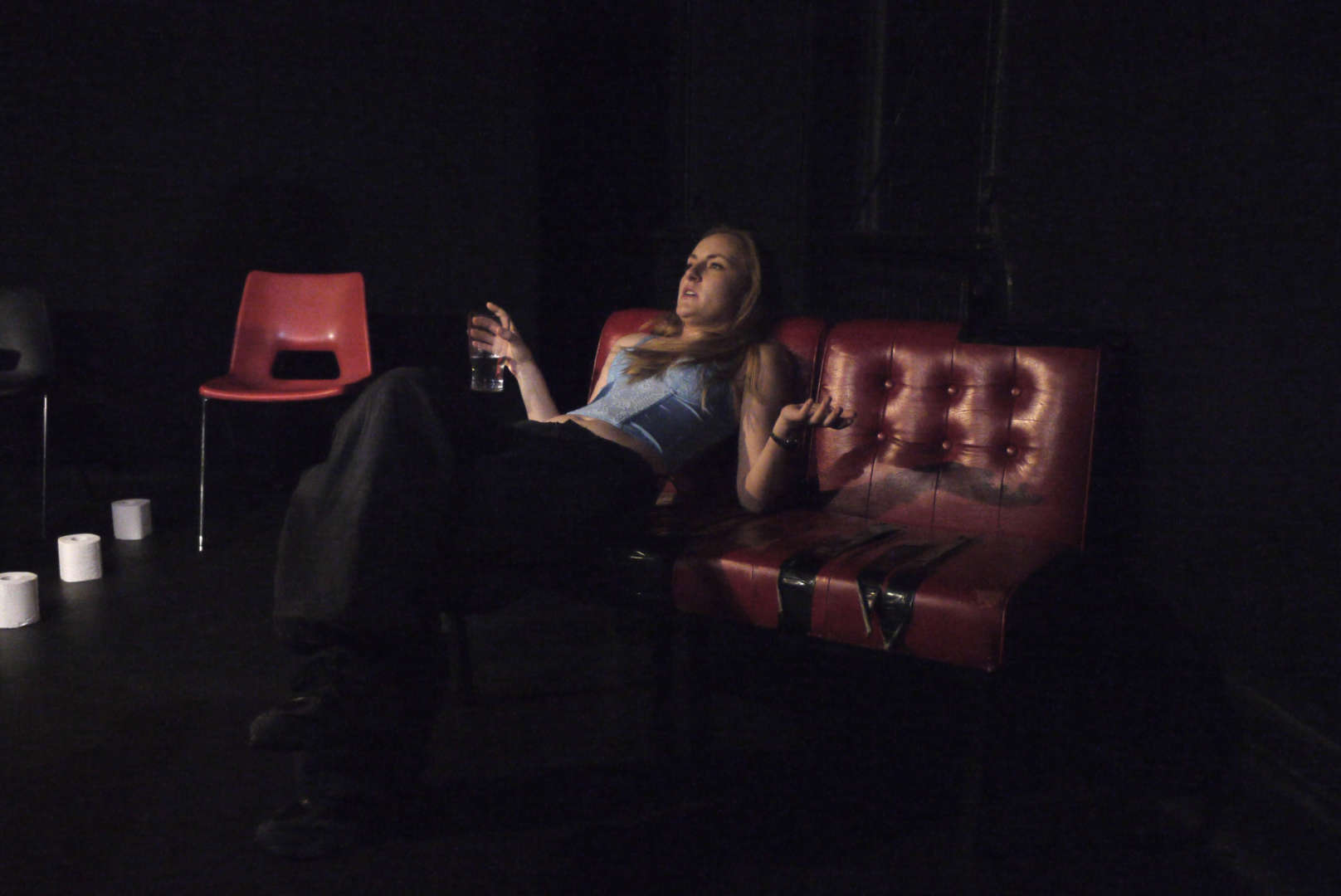
The intimate black-box room above the Hen & Chickens pub is used economically. A freestanding washbasin and toilet rolls tracing the borders of unseen cubicles provide sparse visual shorthand for the setting. The design is suggestive rather than naturalistic, relying upon the audience’s imagination and keeping attention firmly on the four performers. Kuphal and Gallagher use the confined playing area as a pressure cooker from which the characters can temporarily retreat behind a cubicle boundary, but never truly escape one another.
The Girls Are Fighting is at its best when it captures how friends tell one another stories not simply to entertain, but to discover what their experiences mean. Its humour is explicit and often very funny, yet beneath the laughter lies a persistent need to be believed, forgiven and known. Despite occasionally trying to contain more ideas than its hour can comfortably hold, this is a compassionate, unsettling and strongly acted portrait of friendship under pressure. Ultimately, I left the theatre having thoroughly enjoyed the intimacy, humour and emotional honesty of the evening.
The Girls Are Fighting runs at the Hen & Chickens Theatre until 30 August 2026.
Cast & Creatives
- Showing: 29th – 30th August 2026
- Venue: Hen & Chickens Theatre, 109 St Paul’s Road, London N1 2NA
- Buy Tickets: https://camdenfringe.com/events/the-girls-are-fighting/
- Writer, Director & Producer: Marieke Kuphal
- Co-Director: Judy Gallagher
- Presented By: Bite the Hand Productions – https://www.instagram.com/bitethehandprods/
- Production Photography: to be announced soon
- Cast:
Sarah Sinizer Hopkins as Bree
Yasmin Clare Jamshidi as Angie
Amelia Hall as Grace
A Frank, Funny And Increasingly Unsettling Portrait Of Friendship Under Pressure
Summary
Marieke Kuphal’s The Girls Are Fighting transforms a women’s toilet from a comic refuge and confessional into a potential crime scene. Driven by a strong four-person ensemble, it is a frank and affecting exploration of sexual pressure, prejudice, danger and the complicated permanence of lifelong friendship.


Add comment