logo theatre lifelogo theatre life
logo theatre life
  • Home
  • Reviews
    • Plays
    • Comedy Plays
    • Musicals
    • Opera
    • Dance
    • Ballet
    • Circus
    • Stand Up Comedy
    • Concerts
    • Cinema
    • Television
  • News
    • Food & Drink
    • Business
    • Sports
    • Local History
    • Science
    • Travel
    • Politics
    • Fashion
    • Health
    • Tech
    • Lifestyle
  • Latest
  • About
    • About Theatre Life
    • Meet the Team
    • Inclusivity & Representation in Theatre
  • Shop
  • Contact
Wishlist 0
Compare 0
Sign in
My Account


Lost password?

0
0 My compare

View Compare

0
0 My Wishlist

View Wishlist Add all to cart

0
0 Shopping Cart

No products in the cart.

Return To Shop
Shopping cart (0)
Subtotal: £0.00

Checkout

Spend £25.00 more to get free UK delivery. FREE Royal Mail delivery at £25 and under 3kg or FREE DPD delivery at £50. Congratulations! You've got free shipping.
  • Home
  • Reviews
    • Plays
    • Comedy Plays
    • Musicals
    • Opera
    • Dance
    • Ballet
    • Circus
    • Stand Up Comedy
    • Concerts
    • Cinema
    • Television
  • News
    • Food & Drink
    • Business
    • Sports
    • Local History
    • Science
    • Travel
    • Politics
    • Fashion
    • Health
    • Tech
    • Lifestyle
  • Latest
  • About
    • About Theatre Life
    • Meet the Team
    • Inclusivity & Representation in Theatre
  • Shop
  • Contact
Facebook Twitter Instagram Pinterest Linkedin Youtube
  • Plays
  • Comedy Plays
  • Ballet
  • Opera
  • Musicals
  • Dance
  • Concerts
  • Stand Up
  • Circus
  • Cinema
logo theatre lifelogo theatre life
0
0 My compare

View Compare

0
0 My Wishlist

View Wishlist Add all to cart

0
0 Shopping Cart

No products in the cart.

Return To Shop
Shopping cart (0)
Subtotal: £0.00

Checkout

Spend £25.00 more to get free UK delivery. FREE Royal Mail delivery at £25 and under 3kg or FREE DPD delivery at £50. Congratulations! You've got free shipping.
logo theatre life
  • Home
  • Reviews
    • Plays
    • Comedy Plays
    • Musicals
    • Opera
    • Dance
    • Ballet
    • Circus
    • Stand Up Comedy
    • Concerts
    • Cinema
    • Television
  • News
    • Food & Drink
    • Business
    • Sports
    • Local History
    • Science
    • Travel
    • Politics
    • Fashion
    • Health
    • Tech
    • Lifestyle
  • Latest
  • About
    • About Theatre Life
    • Meet the Team
    • Inclusivity & Representation in Theatre
  • Shop
  • Contact
Wishlist 0
Compare 0
Sign in
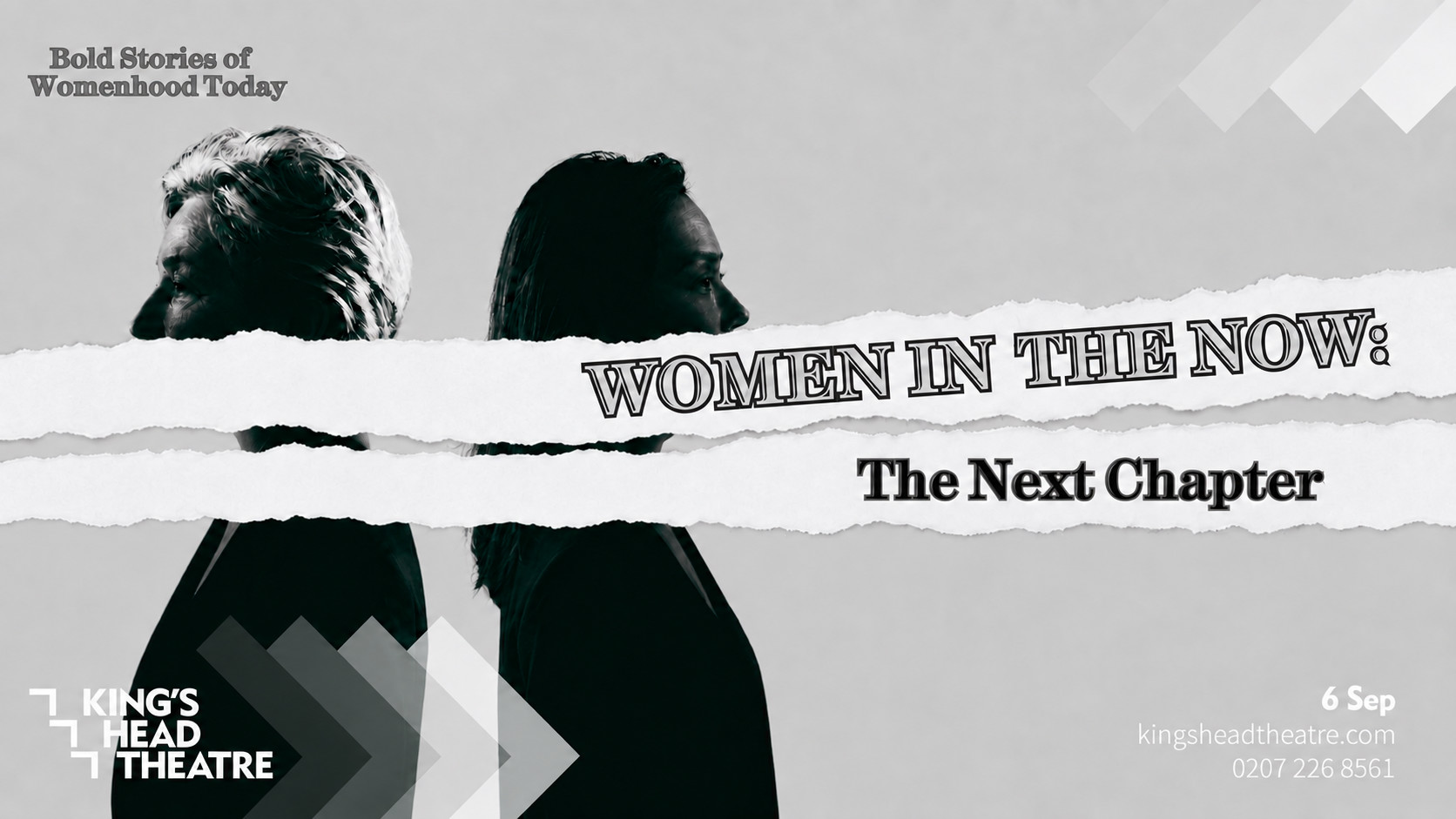
Poster for Women in the Now: The Next Chapter, showing two women in profile partially obscured by torn-paper title strips.
Plays

Review: Women in the Now: The Next Chapter, King’s Head Theatre
6th September 2026 /Posted byRobert Cope / 236 / 0

There is no single way to be a woman now, and Women in the Now: The Next Chapter wisely makes no attempt to invent one. Presented by Northern Spirit Theatre Company, this collection of eight newly written short plays brings together sharply contrasting voices, experiences and theatrical styles in an evening that moves confidently between humour, anger, grief, fear and hope.

Created by Northern Spirit’s founder and artistic director Nance Turner, the project offers space for stories that are often reduced to statistics, stereotypes or silence. Its subjects range from the seemingly everyday frustrations of a queue for the ladies’ toilets to sexual harassment, bereavement, migration, professional ambition, ageing and relationships that continue to shape us long after they have ended. Common threads gradually emerge, particularly the pressure placed upon women to remain polite, accommodating, attractive, useful, grateful or “dignified”, even when their circumstances give them every reason to resist.

Most of the pieces depend upon direct address or extended monologue, placing considerable responsibility upon the performers to establish a character, situation and emotional world within minutes. The cast meet that challenge with clarity and commitment, giving each voice its own character while allowing connections to emerge across the uninterrupted evening.

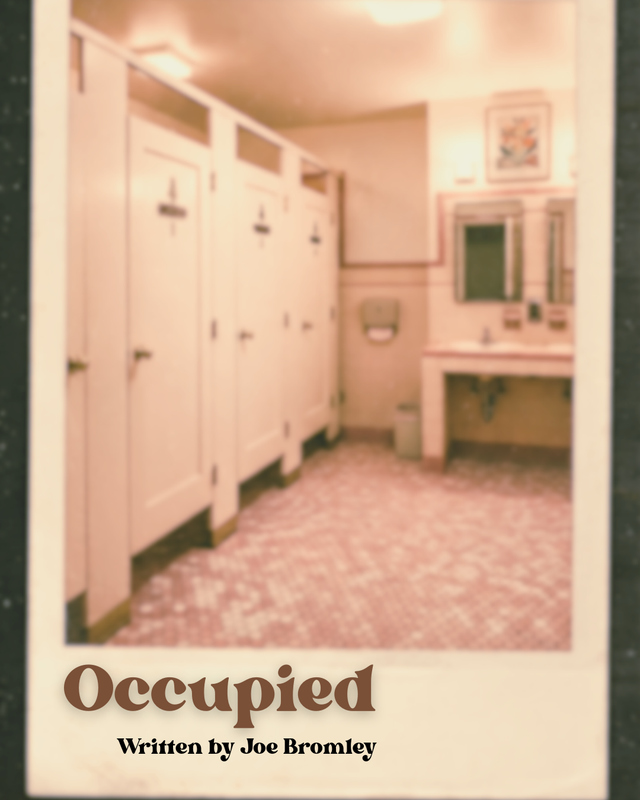
The programme opens with Joe Bromley’s Occupied, in which a queue for the ladies’ toilets becomes the setting for an unexpectedly revealing encounter between two strangers. Their discussion of locked doors, faulty hinges, pelvic floors and the chronic politeness of women produces some of the evening’s most immediate comedy. Gradually, however, the conversation opens onto ageing, dementia, teenage pregnancy and bereavement, finding something profound within an otherwise ordinary shared inconvenience.

Bromley and Clare Roberts establish an easy and convincing rapport. Their timing allows the humour to feel conversational rather than imposed, and neither announces the moment when comic observations give way to more personal disclosures. Both bring warmth to the growing connection between the characters, allowing embarrassment, vulnerability and laughter to coexist. The eventual return to the opening predicament gives this deceptively modest piece a satisfying circularity.

Beginning with the evening’s most openly comic work proves an astute decision. Occupied relaxes the audience and draws us into the programme through laughter, making the sudden transition into the seriousness of the following piece all the more powerful.

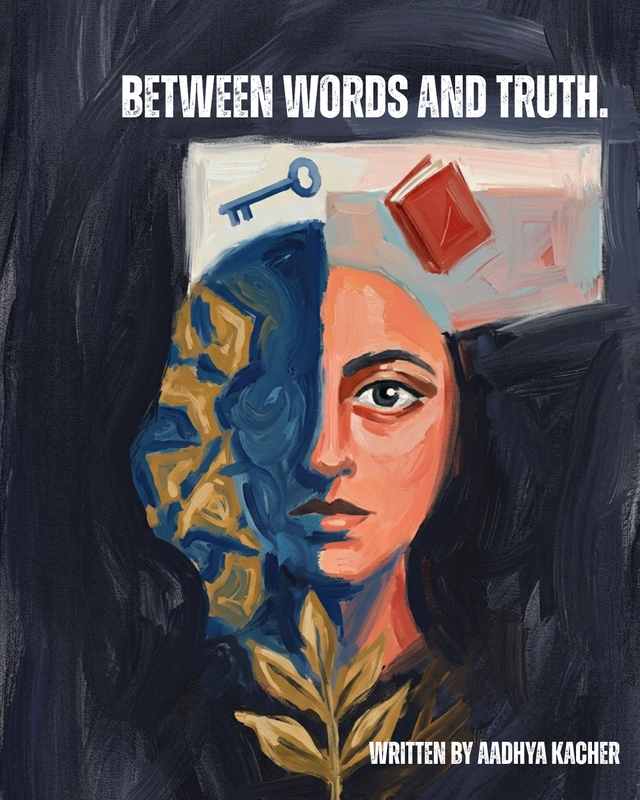
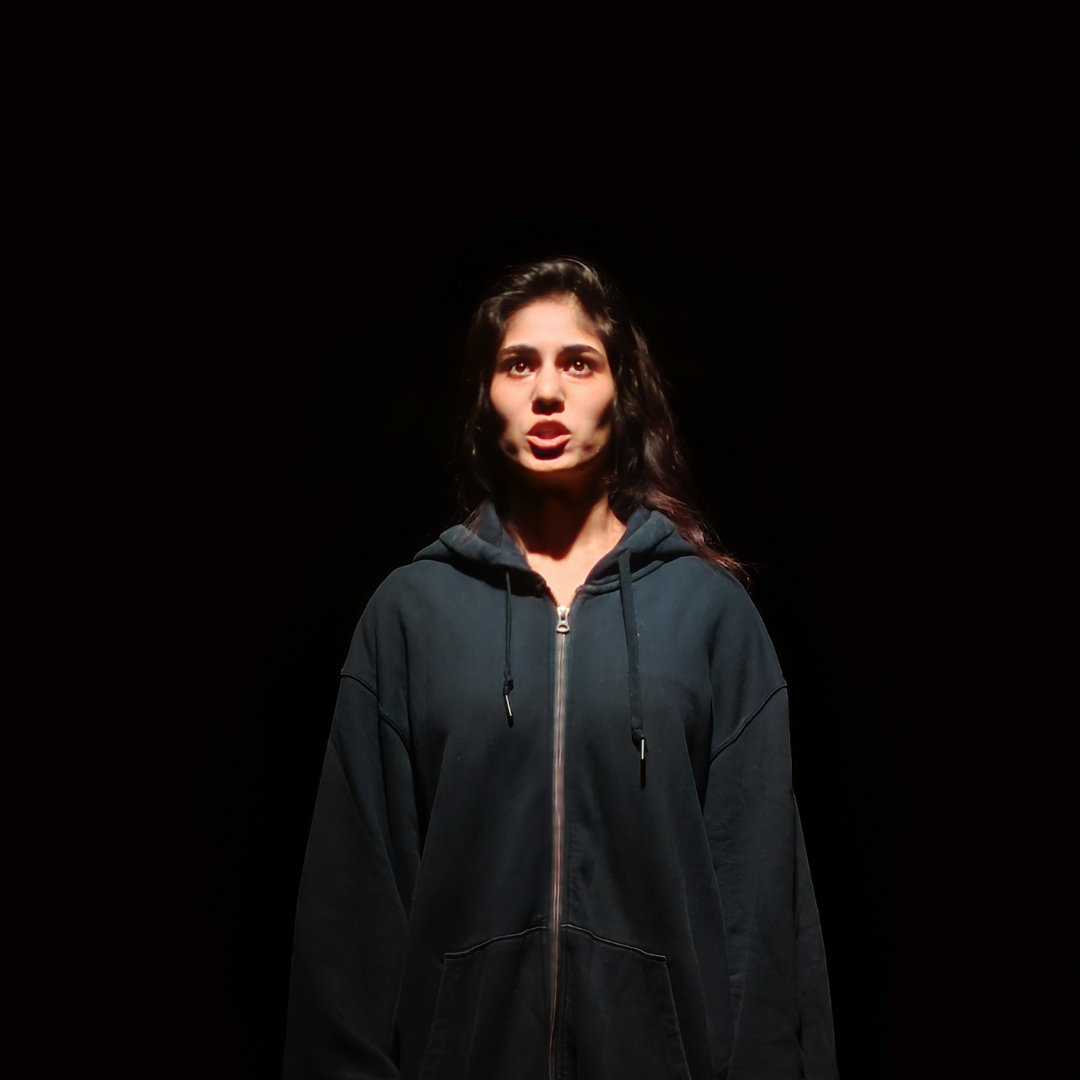
Written and performed by Aadhya Kacher, Between Words and Truth begins with the expansive certainty of childhood, when the speaker believes that her words can shape reality and that the world is hers to explore. That confidence is gradually narrowed by the unspoken conditions attached to becoming a woman. Freedom becomes something negotiated against family anxiety, public judgement and the threatening behaviour of men.

The extreme contrast with the preceding comedy gives Kacher’s opening an immediate force. The laughter falls away as affectionate memories of childhood give way to disturbing experiences of being watched, followed and sexually intimidated. Her first-person writing reveals how quickly a confident voice can be suppressed by fear, alongside the repeated self-questioning that can follow when somebody finds herself unable to shout, resist or react as she imagined she would.

Kacher is an endearing and open performer who draws the audience towards her rather than demanding its sympathy. She brings considerable emotional depth to the traumatic experiences she recounts, allowing fear and vulnerability to emerge without overplaying them. Her delivery makes it easy to empathise with the gradual loss of the fearlessness she once possessed. The monologue ultimately becomes not only an account of restriction but an attempt to reclaim the voice and freedom that were taken from her. It was one of the evening’s most personally affecting performances.

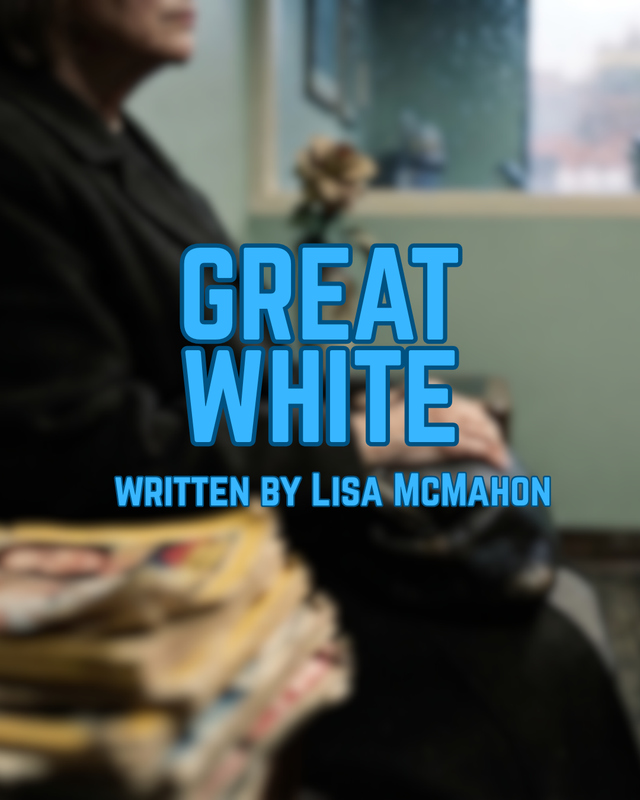
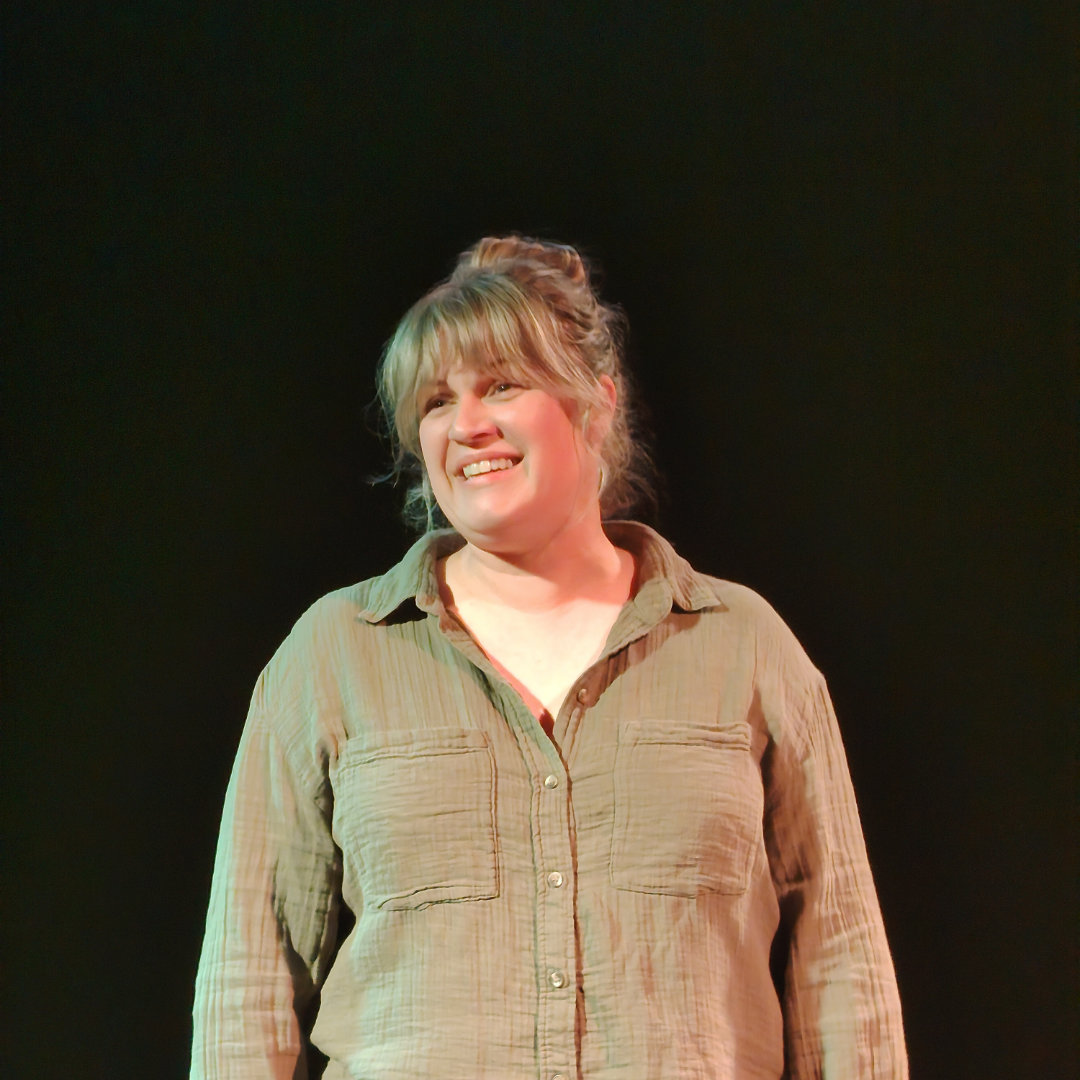
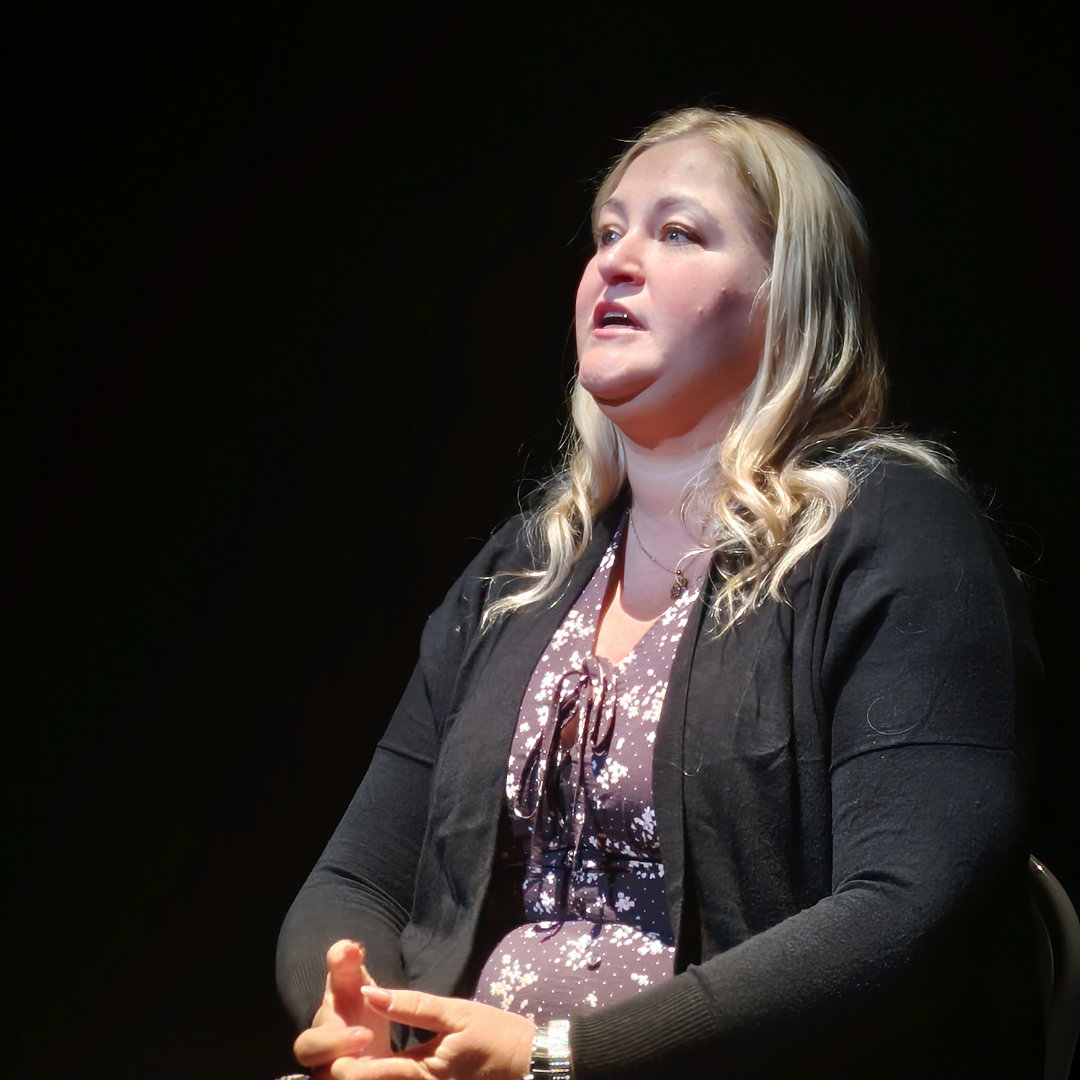
Lisa McMahon’s Great White initially presents itself as an unruly and very funny stream of thoughts during a dental appointment. The prospect of an extraction prompts an increasingly expansive catalogue of other losses: youth, health, employment, love, family and the optimism with which the character once approached the future. Teeth become both a source of comic humiliation and a surprisingly effective metaphor for everything that cannot simply be replaced.

Written and performed by Lisa McMahon, the piece moves restlessly between abrasive humour, self-reproach, grief and sudden vulnerability. McMahon handles these changes with considerable tonal agility. A caustic aside can turn almost imperceptibly into an admission of loneliness, while the character’s apparent digressions gradually reveal the accumulation of experiences beneath her anxiety.

The image of the great white shark, constantly moving in order to survive and capable of replacing the teeth it loses, provides the monologue with its most memorable source of resilience. McMahon makes the character funny without concealing her pain, and fragile without denying her capacity to keep going. Her command of the piece’s shifting rhythms ensures that its central metaphor develops naturally from the comedy rather than feeling imposed upon it.

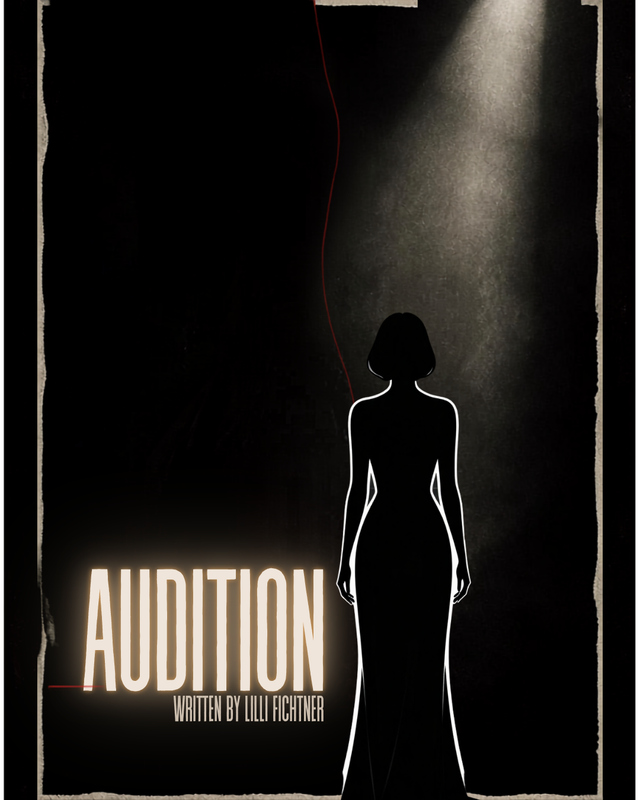
In Audition, writer and performer Lilli Fichtner plays Bella, a German actress convinced that the role for which she is auditioning could transform her career. She reveres the playwright and longs to play a complex woman written in her own accent, having grown accustomed to being offered characters who are silent, marginalised or dismissed as insane. What begins as nervous enthusiasm develops into a shrewdly comic examination of typecasting, artistic insecurity and the power exercised over performers within an audition room.

Fichtner gives Bella an eccentric, zany and highly comic personality. She arrives with an abundance of nervous energy, repeatedly attempting to persuade the unseen auditioner that she is composed, professional and entirely sane. The more she insists upon this, however, the more precarious that composure begins to appear. Fichtner mines the contradiction beautifully, allowing Bella’s determination to impress to expose the very instability she is trying to conceal.

Her false starts, anxious explanations and flashes of exasperation are precisely judged, but the performance never treats Bella’s ambition as ridiculous. Instead, the comedy reveals how thoroughly she has internalised the judgements of teachers, directors and casting panels. As the audition moves between prepared text, song, intrusive instructions and increasingly personal disclosure, Fichtner maintains the character’s quirky energy while also revealing the insecurity beneath it.

Joseph Millson, heard as the off-voice, provides an effective counterweight. His detached interventions operate as instructions from an unseen authority and as an extension of the critical voice Bella carries within herself. Fichtner’s growing determination to trust her own interpretation gives the piece its emotional centre, while her unusual comic presence makes Bella one of the programme’s most memorable characters.

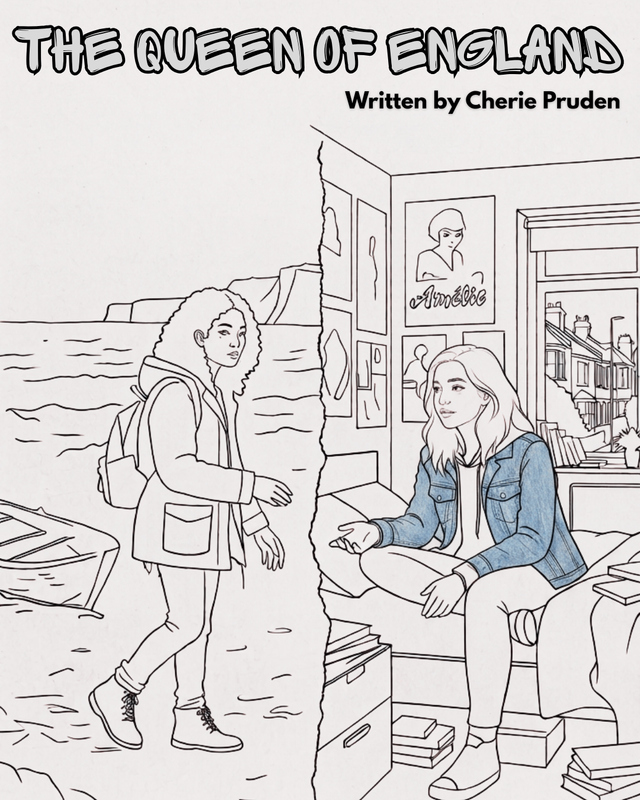
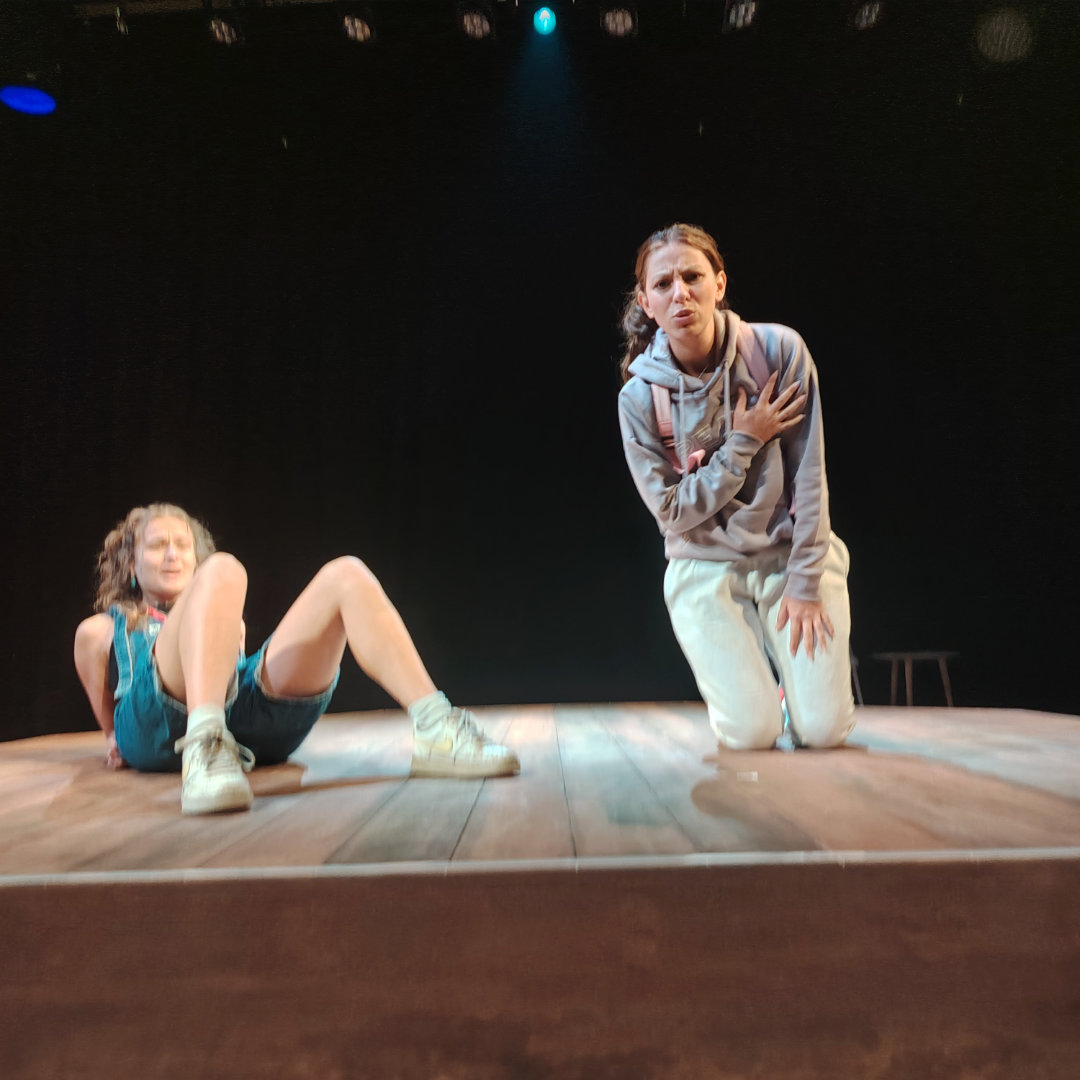
Cherie Pruden’s The Queen of England is the most structurally ambitious piece of the evening. It places two vulnerable sixteen-year-old girls on opposite sides of the same Kent shoreline. Daisy, a local teenager, watches the arrival of refugees through assumptions shaped by neglect, resentment and inflammatory rhetoric. Lina reaches England after a terrifying journey from Syria, carrying memories of home and hoping that the country ahead will finally offer safety.

The parallel narratives resist reducing either girl to a convenient symbol. Hannah Breedon finds the insecurity beneath Daisy’s abrasive bravado, showing how her hostility is entangled with abandonment, a craving for approval and her own exposure to exploitation. She makes Daisy troubling without making her emotionally unreachable.

As Lina, Menekşe Zelal Şahin brings watchfulness, fear and quiet tenacity to a young woman attempting to understand an unfamiliar country while holding onto fragments of the life she has left behind. Şahin communicates Lina’s vulnerability without allowing it to define her completely, finding strength within the character’s uncertainty.

Breedon and Şahin create two distinct emotional worlds while allowing their characters’ shared loneliness gradually to become apparent. Neither girl fully understands the other, yet the writing draws them together through repeated images of the sea, the cliffs and a brightly coloured rucksack. Their contrasting performances prevent the play from offering an easy equivalence. Instead, it asks how fear, isolation and the desire to belong can be manipulated within very different lives.

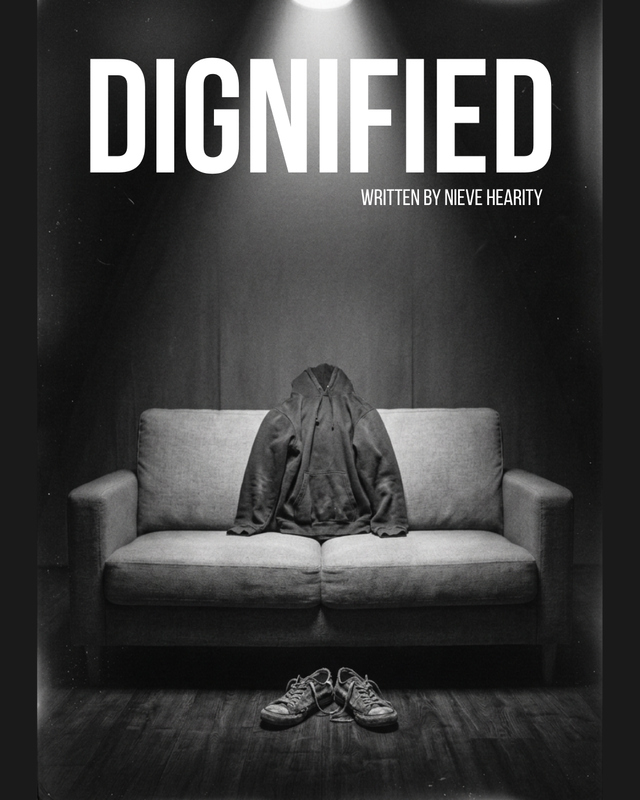
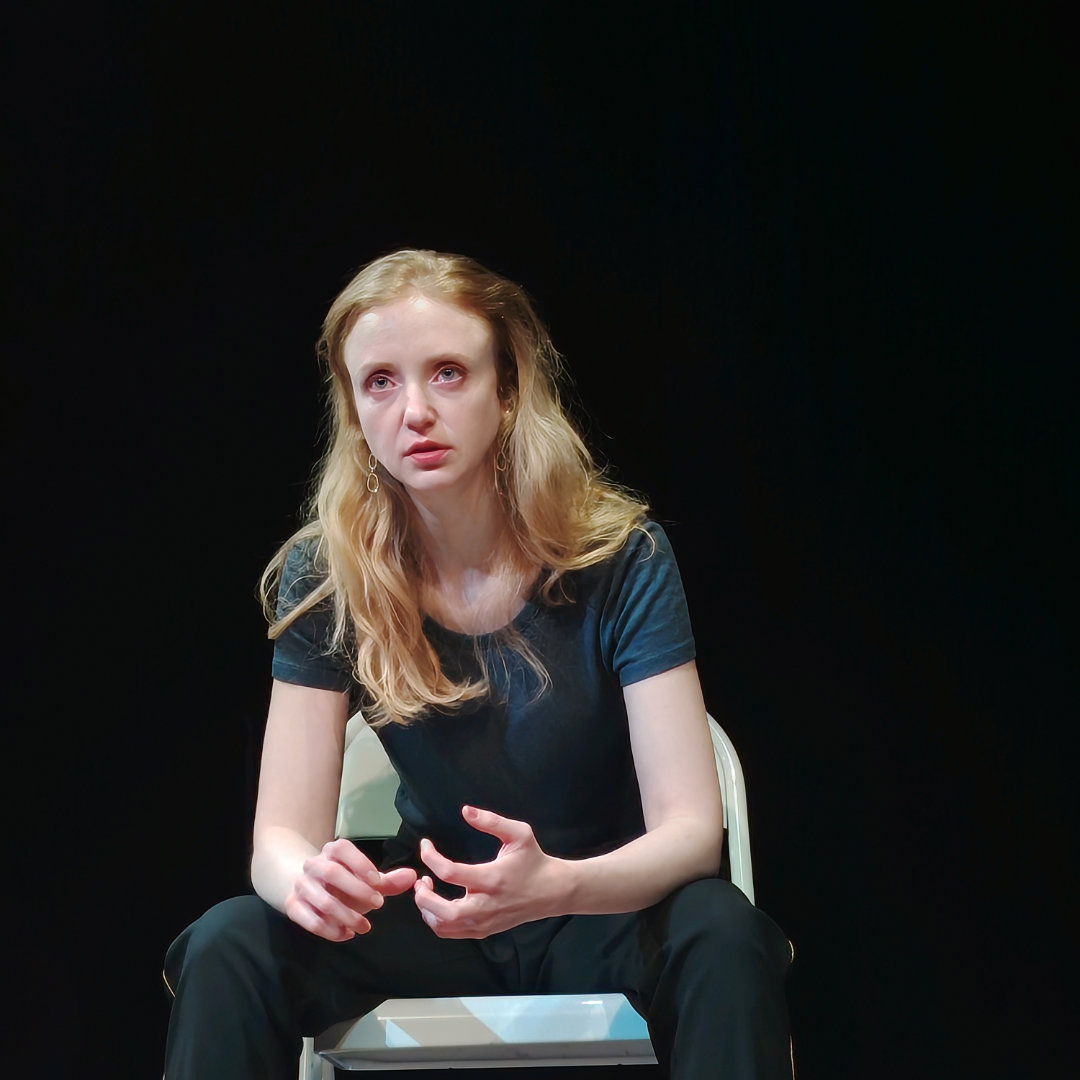
Written and performed by Nieve Hearity, Dignified gives voice to a mother forced to sit through the trial of those accused of killing her teenage son. From the repeated use of the title at its opening, Hearity makes clear that dignity is not a comfort but another demand: an expectation that this mother should remain restrained while hearing the most harrowing details of her child’s death. Her performance holds grief and anger in powerful tension, with the controlled opening making every subsequent fracture in that composure more affecting.

Hearity is equally persuasive during the warmer recollections of the boy himself. He emerges as a class clown, a talented aspiring footballer and the charming four-year-old who once painted a new cream sofa with red nail varnish. Hearity allows affection and flashes of rueful humour to enter these memories without diminishing the surrounding grief. This emotional range restores the son as a distinctive, much-loved child rather than leaving him defined by the violence inflicted upon him.

The recollection of their unremarkable final Saturday together is especially painful. Because there was no warning, there could be no carefully chosen farewell or final declaration of love. Hearity makes the mother’s contradictory desire not to remember entirely understandable. Her memories keep her son alive, but dwelling upon them also makes the loss impossible to bear.

Hearity builds towards the character’s eventual rejection of prescribed dignity with raw conviction. The performance moves between contained courtroom fury and intimate maternal tenderness without allowing either to overwhelm the other. It is an affecting and harrowing telling that clearly moved the audience.

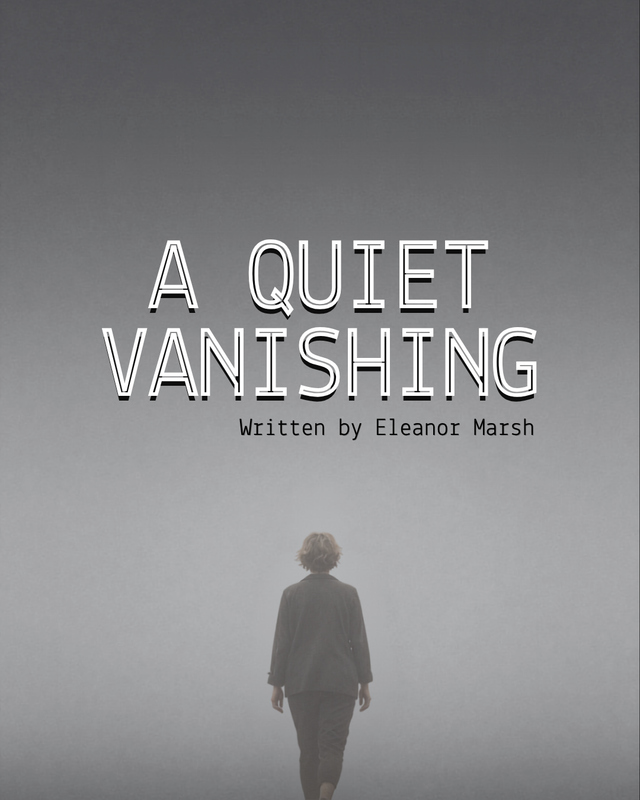
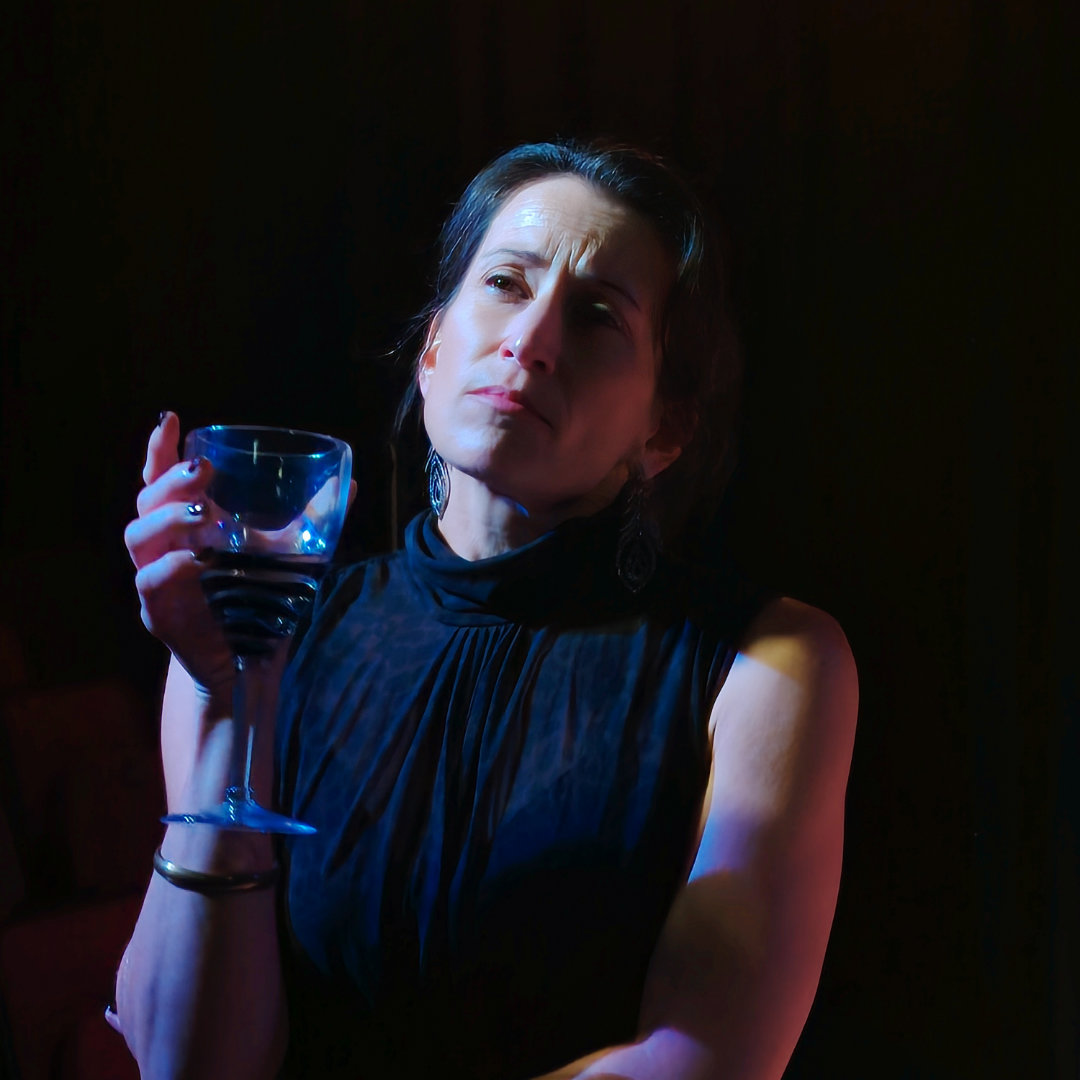
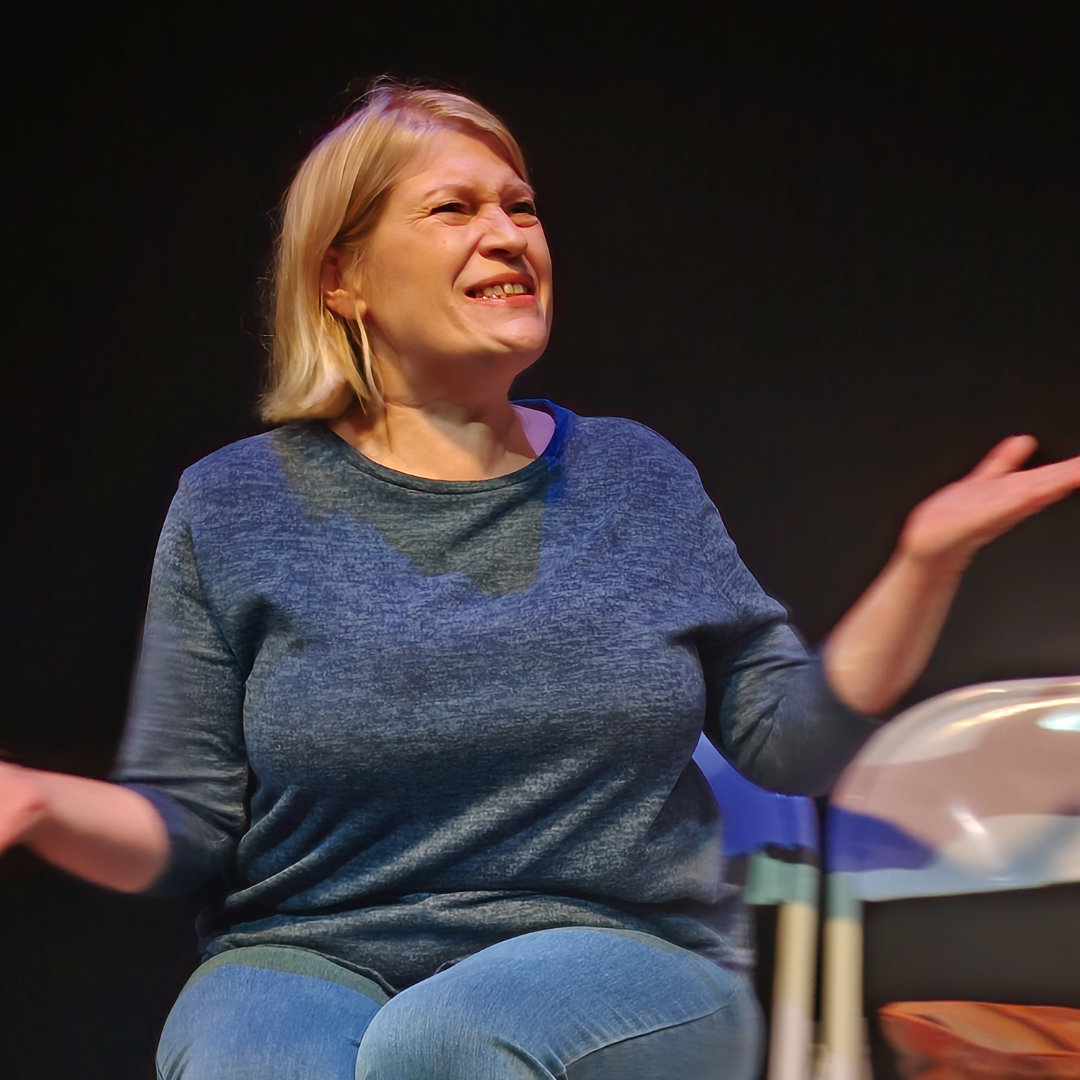
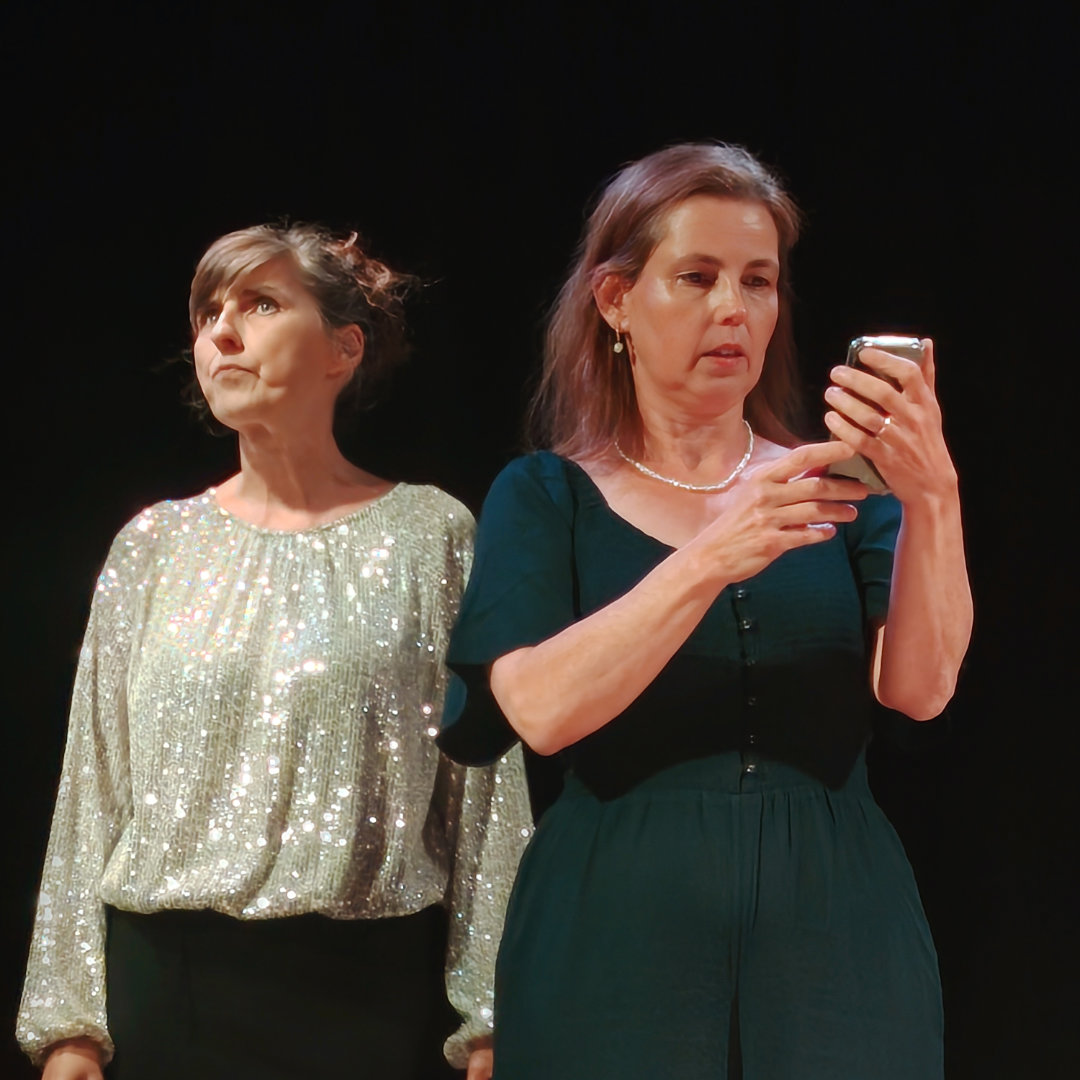
Eleanor Marsh’s A Quiet Vanishing explores a quieter but widely recognisable disappearance: that of an older woman gradually losing her place within her family, marriage and even her own conception of herself. Cheryl-Ann Storer sustains the extended direct address with warmth and conversational assurance, initially drawing the audience close through sharply observed humour about hot flushes, thicker moisturiser and the indignities of growing older.

Storer’s comic touch is important. By the time the monologue becomes more intimate, the character feels like a woman confiding in us rather than someone assembled merely to illustrate a theme. Her observations about becoming invisible, being left to hold the coats during family photographs and looking into a mirror only to see her mother staring back are amusing because they arise from recognisable experience. Storer allows the laughter to establish a bond with the audience before exposing the loneliness beneath it.

Most mornings the character still feels 23, but her body offers increasingly persuasive evidence to the contrary. Her troublesome knees negotiate every staircase as though engaged in peace talks, while her back crackles like bubble wrap whenever she gets out of bed. Storer captures this conflict between an unchanged inner self and an ageing exterior with delightful self-awareness.

Crucially, she also communicates that the character does not truly miss youth, smooth skin or male attention. What she misses is being seen as someone who still possesses desires, possibilities and a future of her own. She has become useful to everybody except herself, identified through her relationships and responsibilities until she can scarcely remember the person beneath them.

Storer handles the account of her marriage with particular sensitivity. The husband is neither violent nor deliberately cruel; he has simply become emotionally absent, reducing decades of intimacy to television, cups of tea, shopping lists and practical reminders. This refusal to provide an obvious villain makes the loneliness more unsettling. Storer conveys the particular pain of feeling abandoned by somebody who is still sitting only a few feet away.

When her husband once looked up and said, “There she is”, the words were genuinely affectionate, and she treasured them because she felt he had finally found her again. Storer allows the devastating qualification to emerge gradually: this was the last time her husband truly saw her, and it happened seven years earlier. Her restrained and touching performance gives full weight to the realisation that becoming indispensable to everybody else has allowed this woman to vanish from her own life.

The programme concludes with Nance Turner’s The Greatest What If, its longest and most expansive story. At her best friend’s latest wedding, Amy unexpectedly comes face to face with the former love she has carried in her memory for twenty-five years. Looking at the moon after the celebrations, and fortified by more than a little alcohol, she attempts to decide whether she still loves the man himself or merely the polished story that time has allowed her to create.

As Amy, Sara Veyla sustains the extended monologue with warmth, energy and an engaging sense of spontaneity. Her account of the chaotic wedding provides abundant comedy, but Veyla allows the humour gradually to expose the apprehension beneath it. Amy is self-aware enough to recognise the absurdity of her situation, yet not so detached that she can dismiss the emotional shock of confronting a life she might have lived.

Veyla handles the movement between drunken candour, affectionate mockery, regret and renewed possibility with assurance. She does not allow nostalgia to become sentimentality, grounding Amy’s romantic speculation in the uncomfortable recognition that memory may have distorted both the relationship and the choices surrounding it.

The recurring image of the moon, apparently shining through reflected light yet powerful enough to move oceans, gives the piece an evocative frame. Veyla’s open and generous performance makes this a hopeful conclusion without demanding a conveniently resolved future.

Across the eight plays, the writing is united less by a single definition of womanhood than by an insistence upon complexity. These women can be funny, furious, frightened, mistaken, resilient, selfish, compassionate and contradictory. Some pieces arrive as tightly contained theatrical miniatures, while others introduce characters and situations that could readily sustain longer development.

As lighting designer and operator, Jasmine Hoi Ching Tom manages the rapid changes of atmosphere required by eight distinct works. The brief musical links help to reset the emotional register between pieces, from Bach following Between Words and Truth to Andra Day’s Rise Up after Dignified. Some excerpts might have been allowed slightly more time to breathe. Radiohead’s Creep after Audition, for example, ended almost as soon as it became recognisable. Nevertheless, the transitions were clean and kept the uninterrupted programme moving smoothly.

The production’s only notable weakness concerned projection. A few voices occasionally settled into too quiet a register to carry comfortably to the back, even within this intimate theatre. This required greater concentration than should have been necessary. More consistent awareness of how lower-volume passages travel through the room would ensure that every word reaches the whole audience without sacrificing the subtlety or intimacy of the performances.

The evening’s greatest frustration is ultimately a compliment: each of these absorbing pieces ends while one still wishes for a little more time with its characters. Rather than overstaying their welcome, the plays leave possibilities behind them and invite the audience to continue considering the lives they have briefly encountered.

Northern Spirit Theatre Company has created more than a platform for new writing. It has assembled an evening in which private experiences are shared directly and without apology. Women in the Now: The Next Chapter is thoughtful, funny, angry and deeply compassionate, bringing together eight distinctive stories through the courage required to speak and the value of an audience prepared to listen.

Buy Tickets
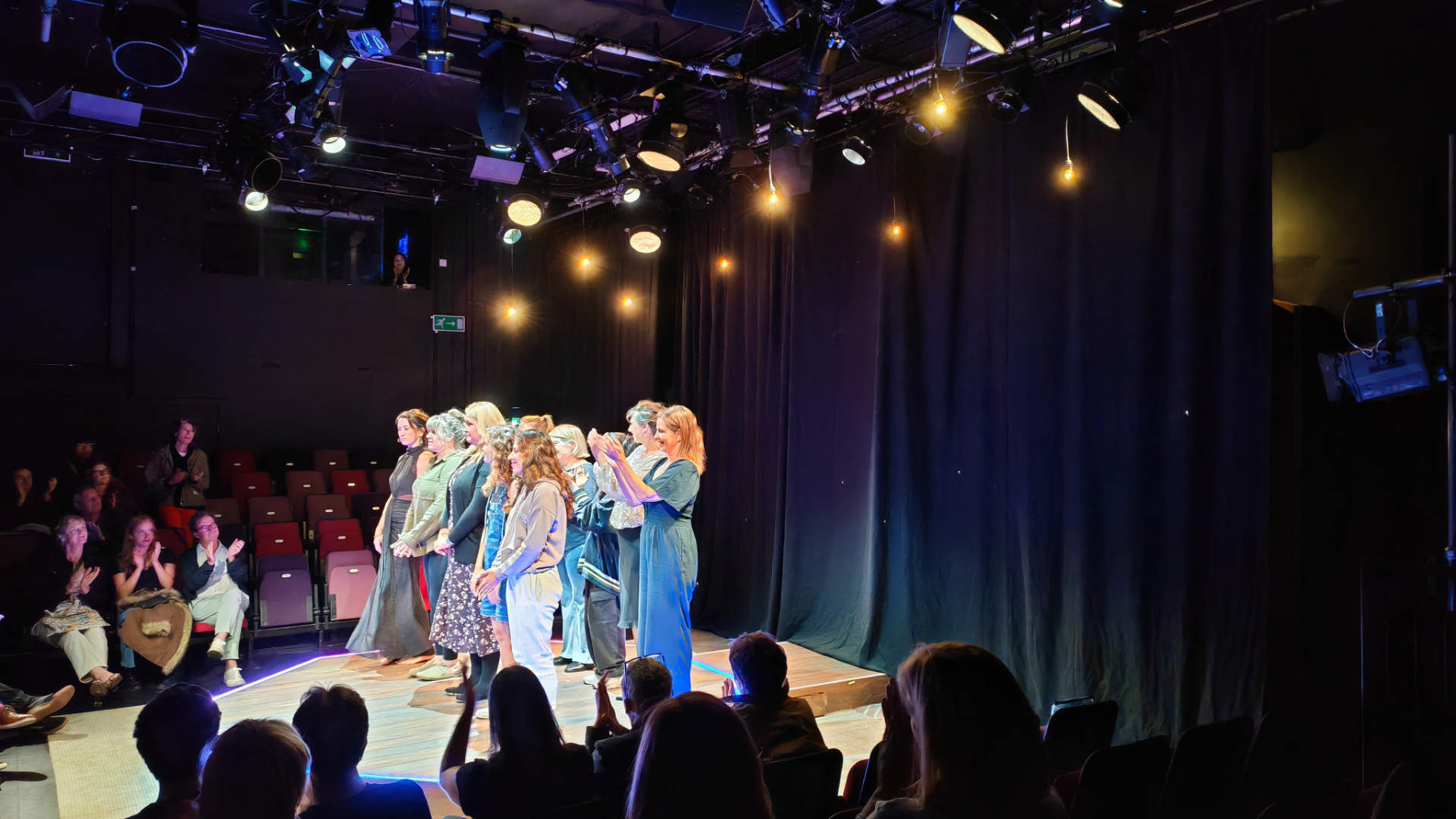
Women in the Now: The Next Chapter, King’s Head Theatre - Production photography below: Nance Turner


Cast & Creatives

  • Showing: Sunday 6th September 2026 at 7pm
  • Venue: King’s Head Theatre, 116P Upper Street, London N1 1QP
  • Buy Tickets: https://kingsheadtheatre.com/whats-on/women-in-the-now-the-next-chapter-m98x
  • Running Time: 85 minutes (no interval)
  • Presented By: Northern Spirit Theatre Company - https://www.instagram.com/northernspirittheatrecompany/
  • Project Creator: Nance Turner
  • Artistic Director, Northern Spirit Theatre Company: Nance Turner
  • Writer of Occupied: Joe Bromley
  • Writer of Between Words and Truth: Aadhya Kacher
  • Writer of Great White: Lisa McMahon
  • Writer of Audition: Lilli Fichtner
  • Writer of The Queen of England: Cherie Pruden
  • Writer of Dignified: Nieve Hearity
  • Writer of A Quiet Vanishing: Eleanor Marsh
  • Writer of The Greatest What If: Nance Turner
  • Lighting Designer & Operator: Jasmine Hoi Ching Tom
  • Creative Development and Directorial Guidance on Nance Turner’s short play The Greatest What If: Mark McGann
  • Photography: Nance Turner
  • Cast:
1. Occupied
Joe Bromley
Clare Roberts

2. Between Words and Truth
Aadhya Kacher

3. Great White
Lisa McMahon

4. Audition
Lilli Fichtner as Bella
Joseph Millson as Off-Voice

5. The Queen of England
Hannah Breedon as Daisy
Menekşe Zelal Şahin as Lina

6. Dignified
Nieve Hearity

7. A Quiet Vanishing
Cheryl-Ann Storer

8. The Greatest What If
Sara Veyla
Thoughtful, funny and deeply compassionate, eight distinctive short plays celebrate women’s voices
5

Summary

Northern Spirit Theatre Company’s Women in the Now: The Next Chapter brings together eight distinctive short plays that move confidently between humour, anger, grief, fear and hope.

An engaging and emotionally committed cast gives each story its own identity, creating a beautifully balanced celebration of women’s voices that leaves us wishing every piece could continue a little longer.

Sending
User Review
0 (0 votes)
Share Post
  • Twitter
  • Facebook
  • VK
  • Pinterest
  • Mail to friend
  • Linkedin
  • Whatsapp
  • Skype
Review: Twelve Angry Men, Thea...
Twelve Angry Men at Theatre Royal Windsor – Gray O’Brien, Bill Ward, Ricky Norwood, Tristan Gemmill and Ben Nealon

About author

Robert Cope

About Author

Robert Cope

Robert Cope is the founder and editor of Theatre Life and a theatre critic based in Clerkenwell, London. He reviews productions across London and beyond, from fringe theatre and new writing to West End and regional theatre, with particular attention to performance, writing and staging.

Born in Essex, Robert has family roots in Uganda and England and lived in Kenya for five years during his childhood. He is active in local community and heritage causes in Clerkenwell and previously organised networking events for solo business owners from across London, with meetings held in Clerkenwell and at the Civil Service Club in the West End. He also collects for Prostate Cancer UK at football matches and enjoys backgammon, squash and walking in the British countryside.

Other posts by Robert Cope

Related posts

03 Sep
Twelve Angry Men at Theatre Royal Windsor – Gray O’Brien, Bill Ward, Ricky Norwood, Tristan Gemmill and Ben Nealon
Plays
Read more

Review: Twelve Angry Men, Theatre Royal Windsor

0
Christopher Haydon’s taut production of Twelve Angry Men brings Reginald Rose’s classic jury-room drama vividly to life,... Continue reading
30 Aug
Understudy No. 5 promotional poster featuring Hadrian Conyngham at the Old Red Lion Theatre
Plays
Read more

Review: Understudy No. 5, Old Red Lion Theatre

0
Hadrian Conyngham’s inventive solo piece gives Shakespeare’s overlooked characters a voice of their own, combining wit, wordplay... Continue reading
29 Aug
Pink-and-orange poster for The Girls Are Fighting, showing three women seated on an oversized pink toilet.
Plays
Read more

Review: The Girls Are Fighting, Hen & Chickens Theatre

0
Marieke Kuphal’s The Girls Are Fighting is a frank, funny and increasingly unsettling one-room drama at the... Continue reading
28 Aug
Teal poster for The Hostel at The Courtyard Theatre, showing the title inside a simple house outline with “World Premiere” above.
Plays
Read more

Review: The Hostel, The Courtyard Theatre

0
Isabella Haldren’s The Hostel at The Courtyard Theatre is an enjoyable and engaging Camden Fringe ensemble drama... Continue reading
17 Aug
A Full Plate poster showing Elaine Kline resting her face in her hands beside a collage of mental-health imagery.
Plays
Read more

Review: A Full Plate, Rosemary Branch Theatre

0
Elaine Kline’s autobiographical one-woman show A Full Plate combines humour, projected visuals and candid storytelling to explore... Continue reading

Add comment Cancel reply

Your email address will not be published. Required fields are marked


Capital Designs Advert ImageCapital Designs Advert ImageCapital Designs Advert Image

Latest Reviews

Poster for Women in the Now: The Next Chapter, showing two women in profile partially obscured by torn-paper title strips.

Review: Women in the Now: The Next Chapter, King’s Head Theatre
6th September 2026
Twelve Angry Men at Theatre Royal Windsor – Gray O’Brien, Bill Ward, Ricky Norwood, Tristan Gemmill and Ben Nealon

Review: Twelve Angry Men, Theatre Royal Windsor

3rd September 2026
Understudy No. 5 promotional poster featuring Hadrian Conyngham at the Old Red Lion Theatre

Review: Understudy No. 5, Old Red Lion Theatre

30th August 2026
Pink-and-orange poster for The Girls Are Fighting, showing three women seated on an oversized pink toilet.

Review: The Girls Are Fighting, Hen & Chickens Theatre

29th August 2026

Latest News

Promotional poster for Mr Thrushby’s Adventure at Greenwich Theatre Studio, 28 July 2026

Mr Thrushby’s Adventure comes to Greenwich Theatre for rehearsed reading

21st July 2026
Artist’s impression of Troubadour Greenwich Peninsula Theatre entrance at sunset

Troubadour Greenwich Peninsula gets go-ahead for London’s largest theatre

4th February 2026

Google Takes on ChatGPT with Launch of AI-Powered Chatbot Bard

7th February 2023

Pasqal Secures €100 Million in Funding to Advance its Neutral Atom Quantum Computing Technology

25th January 2023

Recent Comments

  1. Robert Cope on Review: Allegra, Theatre Royal Windsor
  2. Stan Labovitch on Review: Allegra, Theatre Royal Windsor
  3. Robert Cope on Sherlock Holmes at Regent’s Park Open Air Theatre
  4. Robert Cope on You Will Find Me at Theatre Royal Windsor
  5. Terenia on Sherlock Holmes at Regent’s Park Open Air Theatre
  • Main Menu

    • Home Page

    • Theatre

    • About Us

    • Shop

  • Need Help?

    • FAQs

    • Find a Venue

    • Become a Reviewer

    • Contact Support

  • Corporate

    • Production Companies

    • Partnership Enquiries

    • Event Enquiries

    • Advertising

  • My Account

    • My Account

    • Order History

    • Edit Account

    • Wishlist

  • Site Policies

    • Shipping & Delivery

    • Returns Policy

    • Cookie Policy

    • Privacy Policy

Stay Connected

Robert's Other Sites
Email Form
Facebook Twitter Instagram Pinterest Linkedin Youtube
Pay Safely and Securely with:
Group 11
Stay up to date with our monthly e-newsletter

© 2023 Theatre Life • all rights reserved

Home
Reviews
News
Shop
Contact
We use cookies to ensure that we give you the best experience on our website. If you continue to use this site we will assume that you are happy with it.
You can revoke your consent any time using the Revoke consent button.